
FX Volatility Collapses as Dollar Steadies
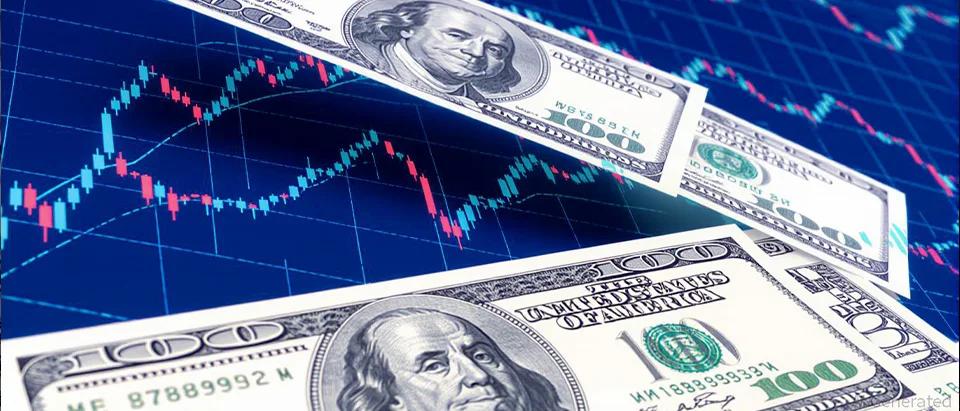
Measures of expected fluctuations of the dollar against other major currencies, such as the euro and the yen, have plummeted to levels not seen since before last year's U.S. elections.
The U.S. dollar index (DXY) - which has been significantly impacted by volatility in recent months - has already recouped most of its losses and then some.
Analysts cite improving trade relations, a resilient U.S. economy, and reduced policy uncertainties following a series of potentially major policy initiatives on tariffs and other fiscal matters.
Market Implications: Tighter Spreads, Fewer Swings
For brokers, lower FX volatility might shrink spreads and reduce hedging costs. In addition, brokers should expect greater pressure to keep quotes tight and fill orders quickly as clients press for tighter market conditions.
For traders, volatility—or the lack thereof—means fewer big price swings that affect breakout or momentum trading strategies. In a more stable market, traders may need to shift toward range scenarios or mean-reversion strategies.
In global markets, a calmer dollar landscape has a factored impact on systemic risk across the currency complex, commodities, and equities, thus allowing international capital to stabilize. As a result, we expect steadier liquidity measures and more predictable premises for brokers and investors alike.
WikiLix Outlook: Broker Performance Under Stable FX
Broker Commentary: When you provide updates through broker reviews, inform that the FX market is moving into a more stable phase. Review and assess how each broker's spreads, fill quality, and volatility have changed in response to the more stable conditions.
Market Psychology: For traders who have grown accustomed to high volatility, now may be the time to "adjust your lenses"—trading under these conditions will likely test one's patience and discipline once again; failure to adjust could lead to overtrading.