
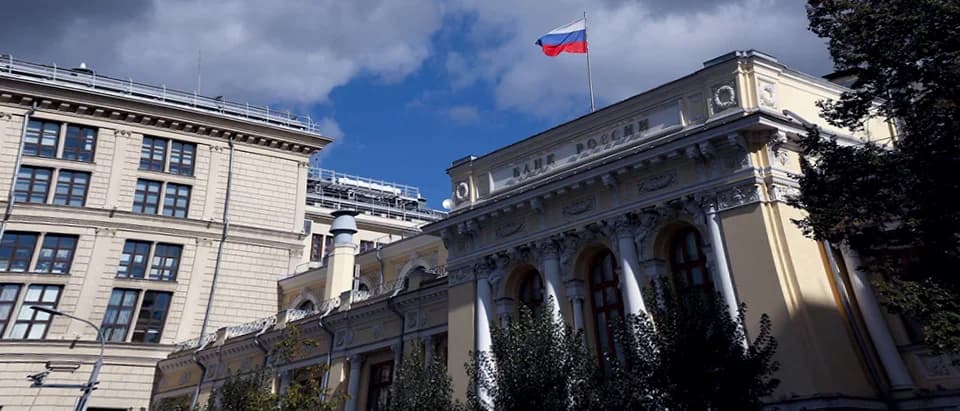
On December 26, 2025, the Central Bank of Russia announced that it will begin reducing the amount of money it buys and sells in the foreign exchange market starting January 12, 2026, when average daily forex sales will be cut by approximately half. This may lead to a general devaluation of the Rouble due to the central bank’s reduced level of support and potentially increase volatility, which may affect pricing, hedging, and liquidity conditions for retail FX brokers and the global FX market.
What happened: Main Facts
The Bank of Russia outlined that its daily forex sales, which ranged from 8.94B Roubles to 4.62B Roubles per day as of January 12, 2026, will mark a 30% decrease in forex interventions from the total state daily amount compared to the previous level. The Rouble support operations were historically strong and frequent throughout 2025 and will now be used to adjust the Central Bank's FX Policy as they move into 2026. The initial impact on the FX Market has been minor so far; however, with reduced state support and overall macroeconomic pressure, Financial Analysts believe the Rouble will devalue significantly.
Why It Matters: Market/Broker Impact
Central Banks' reduction of forex interventions is directly relevant to FX Brokers for the following reasons:
Liquidity Shift- A reduction in Central Banks' sales may lead to Bid/Ask spreads widening related to pairs that include the Roubles or other Emerging Market currencies.
Volatility Risk- A weakened Rouble and ongoing FX Flow will lead to short-term increased Market Volatility when Lower Limit Price Algorithms and Hedging Cost for Brokers are utilized.
Available Hedging Dynamics- FX Brokers offering Emerging Market Pair access must adjust their Risk Models due to reduced Central Bank-provided liquidity in the markets they serve.
WikiLix Insight
Although this update pertains to a micro-market, it illustrates a macro-theme in FX Markets: Central Banks' Interventions, or lack thereof. Such interventions can greatly affect currency liquidity and volatility, and will impact how Brokers price and manage their risk. As we move into 2026 and beyond, the reduction in state support in key Emerging Market Countries like Russia could trigger Brokers to tighten risk controls, widen spreads for select Exotic Pairs, and re-evaluate Hedging Strategies.