

Identifying Patterns and Mistakes from Past Trades
Identifying Patterns and Mistakes from Past Trades
"Learn how to identify trading patterns and mistakes from past trades to refine your strategy, improve consistency, and avoid repeating costly errors in the future."
Wikilix Team
Educational Content Team
11 min
Reading time
Intermediate
Difficulty
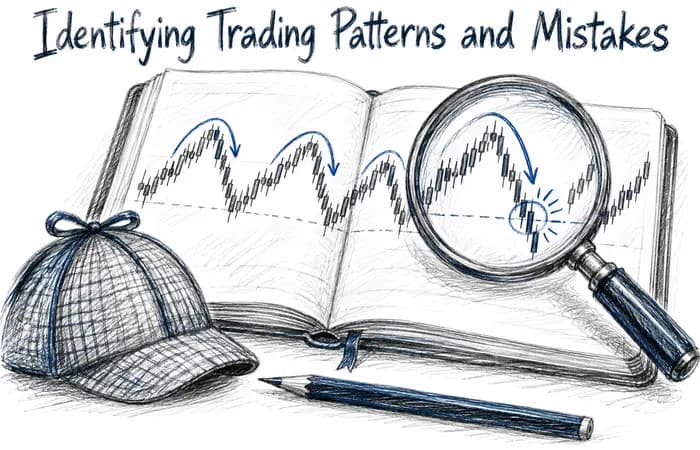
Every trader has gone through this scenario - you close a trade and are hours later you think back on it and ask yourself "What was I thinking?" In the moment, it is easy to convince yourself that what you're doing in the trade is rational step by step. Later, after looking back at trades over weeks and months you will start to see some patterns emerge.
Oftentimes, the things that will emerge in one form or another will reveal habits, good and bad habits, you may not have recognized even while you were 'in' the trade. Learning to recognize patterns is one of the most powerful things you can do for your trading development.
Why Reviewing past Trades can Help
Your averages may change, but your habits tend to be repetitive. If you do not take the time to review and examine trades, you will likely repeat your mistakes and you may not even realize it. Reviewing trades essentially gets you out of the chaos of real-time trading to examine your trading behavior with a clearer head.
Think of it like an athlete watching replays of their game. They are not just celebrating the moments that were positive, they are looking back at the action as it happened and studying what went wrong so that they will not make that mistake again next time. You can use your trading journal as a follow through of that same mechanism.
Recognizing the Mistakes You Made in the Past
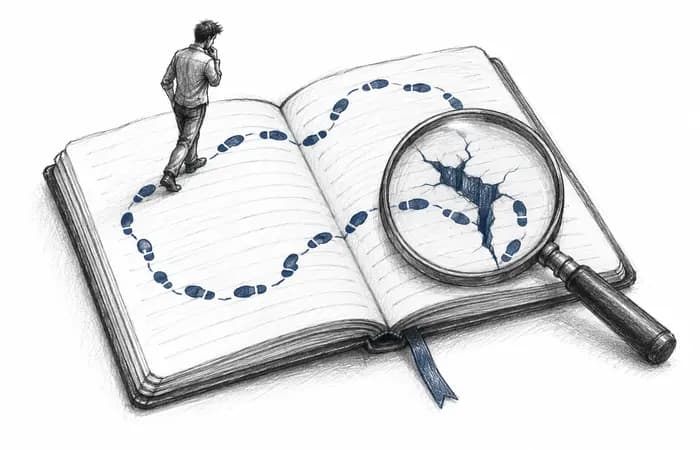
One of the first and biggest benefits of analyzing your trades is that mistakes happen just like anything else, they are also predicable! Mistakes happen in a pattern, and you can recognize those mistakes.
For instance, have you ever realized that you tend to exit trades too soon when the price backs up just a few ticks and then sits back and watched price hit your target minutes or hours later?Or maybe you notice that you have most of your bad trades on Friday, due to being more distracted and fatigued.
There are two frequent patterns traders spot when they look back at their trades:
- Emotional Trading - meaning entering a trade out of fear of not participating in a trade (FOMO), or revenge trading after a loss.
- Improper risk control - either risking too much in a "high confident" trade that does not work out.
By documenting these patterns, you are creating a roadmap about what not to do in the future.
Another Reason Patterns are Important
Pattern recognition isn't just about finding faults, but discovering areas of proficiency. In both of these scenarios, reviewing your trading history gives you insight about what you do best. Perhaps you execute breakouts effectively but struggle in range bound prices, or short trades on some currency pairs perform better than longs.
For example:
Market Condition | Win Rate | Notes |
|---|---|---|
Trending Up | 65% | Strong with breakout entries |
Range-Bound | 35% | Often get stopped out |
News-Driven | 50% | Results mixed, high volatility |
From that information, this tells you trend trading is within your strengths and range trading is either an area of improvement or to even avoid.
Putting Awareness Into Action
Recognizing patterns is only the first step. Improvement starts when you act upon your observations. When you learn you are not trading well in range markets, you now know you can modify your approach for the price action, or you can simply avoid trading if the action isn't in your view of edge. If you learn you don't perform well at late night trades, you can set up yourAwareness is a powerful tool because it leads to choices. Instead of making mistakes in autopilot mode, you can pause in the moment, realize what is happening, and make a different choice.
The Psychological Side
Many times mistakes can be attributed more to emotions than to tactics. Fear, greed, impatience—they leave emotional fingerprints on your trade history. If you start writing down how you felt with each trade, you will often notice the same emotional triggers playing out. You enter too early after seeing a move that you could have been apart of, or you feed your losers because you just don’t want to accept you were wrong.
When you see those patterns in black and white, it becomes much harder to ignore. Maybe it will sting to see those mistakes, but it catalyzes real change.
A Story Many Traders Will Identify With
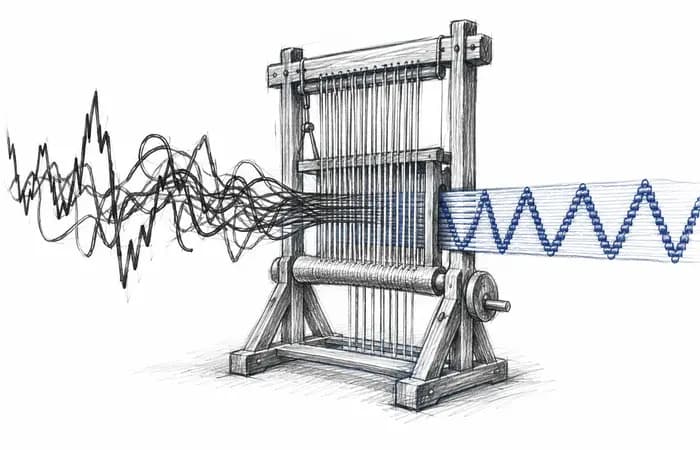
Imagine a trader who would cut all their winners short. Every time the their trade was making $50 in profit, they would turn and close it out of intuition that the market would reverse. When the trader reviewed their journal months later, they realized that most of those trades would eventually play out for a profit of $150 or more if they had let the trade hit their targets.
Now they didn't just realize they had made the wrong decision in hindsight, it changed their future decisions. Trusting the setups, and letting the trade run longer became a habit. And it became engrained in their behavior, and their results improved significantly as a result. That's the power of recognizing patterns; it changed the past, or at least turned hindsight into action.
Final Thoughts
Identifying patterns or mistakes in trades isn't merely sticking yourself in an uncomfortable position; you are learning. There are lessons to learn from each mistake and your behaviors tell you something about your strengths and weaknesses every time that behavior is played out. You'll discover if you look at trades honestly often, you can start to move those lessons into action.
Trading is a never ending cycle of refinement. That appetites towards excellence will never end. The more you study, reflect upon, and analyze where you are at, the more clarity you'll have in moving forward. And, if you would like more actionable ways and tools to help you reflect and improve upon your own trades, check out the Learn section on Wikilix. It is meant to assist traders like yourself grow even more confident and smart off every trade you make.
Frequently asked questions
Answers to the questions readers ask most about this lesson.
Comments & Reviews
0 entries
Nothing on the record yet
Be the first to share what happened.
What's Next?
Keep building your knowledge with our structured learning path. Each section builds upon the previous one.