


Pick a subject to begin
Each subject is one path. Its courses are the levels, in order, from beginner to advanced. Open a subject to see its whole route.
Latest lessons
The newest lessons across the academy, newest first. Each one opens in full.
 Beginnerspark of insight
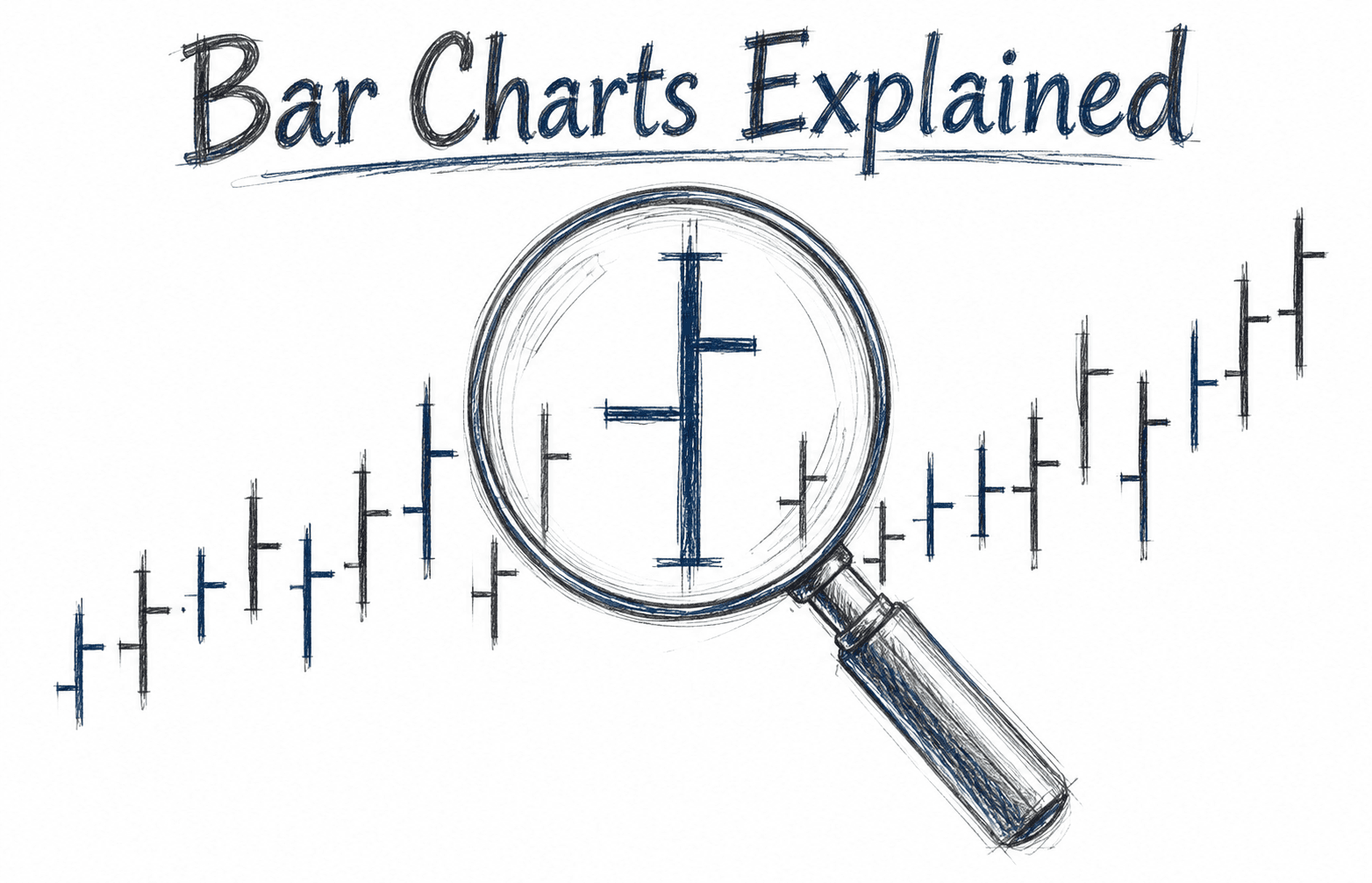
Bar Charts Explained
19 min BeginnerMarket architect
How New Traders Lose Their Accounts in 10 Days or Less
12 min AdvancedMarket architect
Fake Forex Robots and Signal Services Involving Forex Brokers
10 min AdvancedMarket architect
Scam Brokers – Common Tactics They Use
10 min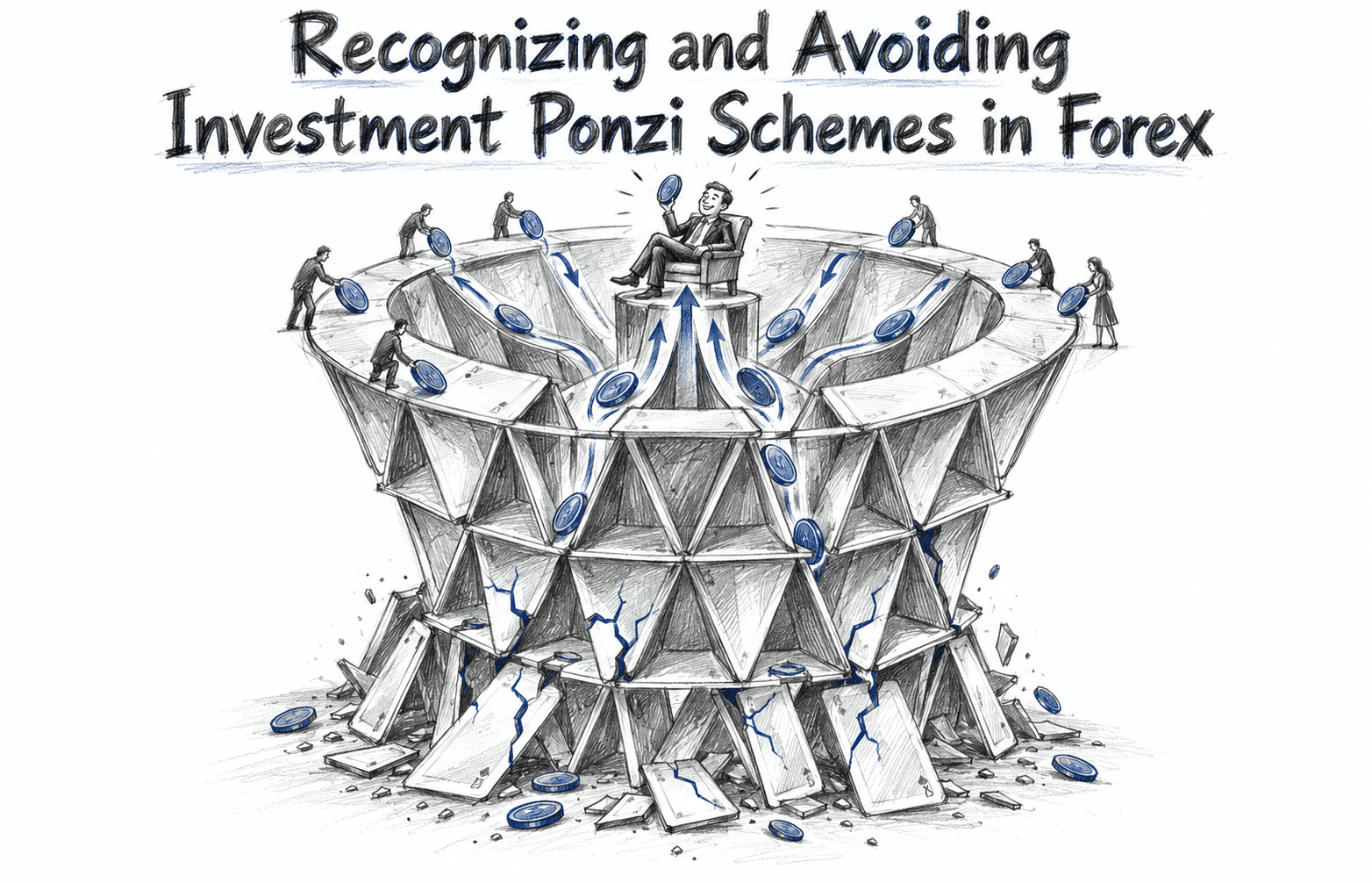 AdvancedMarket architect
Recognizing and Avoiding Investment Ponzi Schemes in Forex
15 min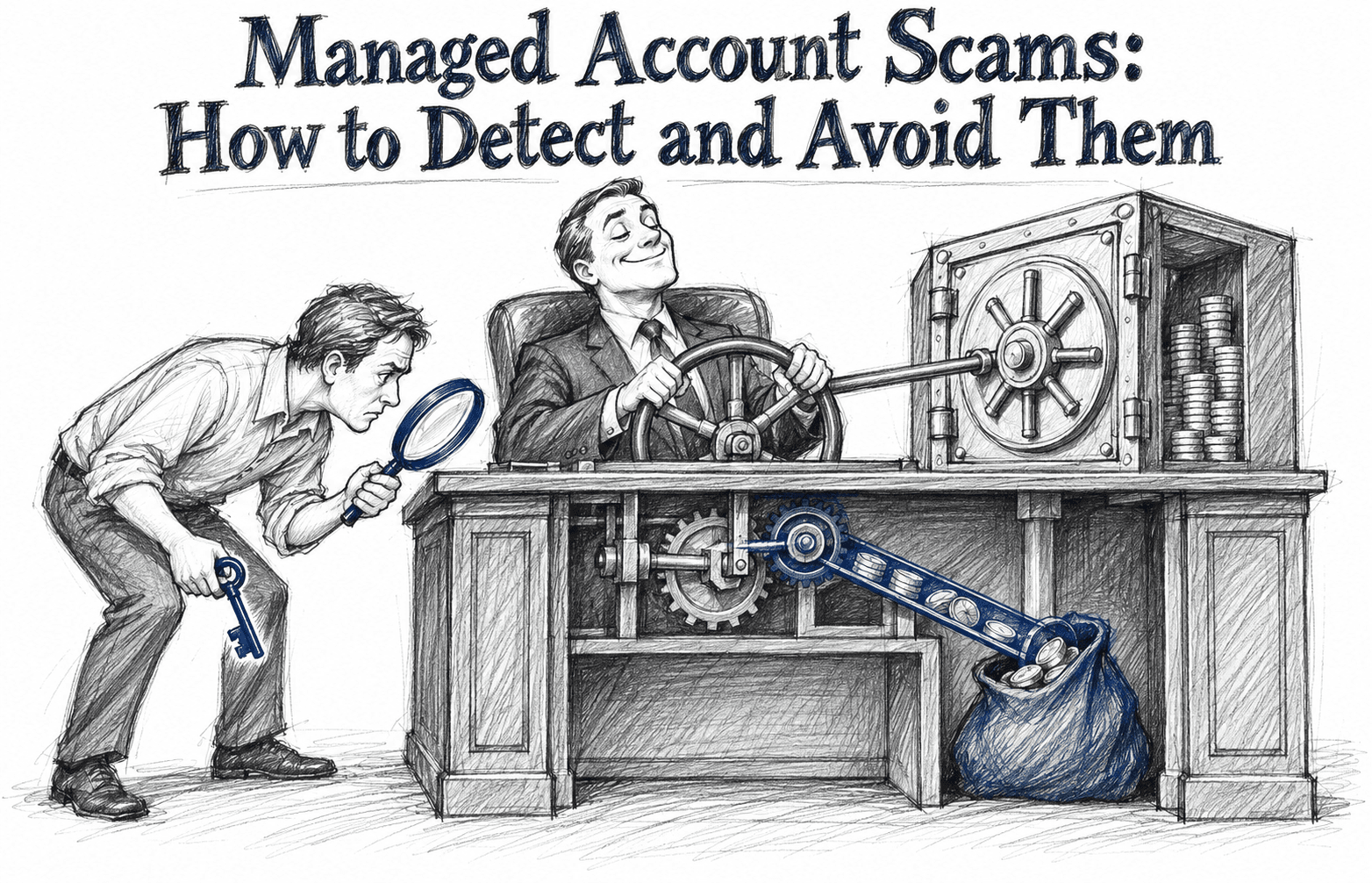 AdvancedMarket architect
Managed Account Scams: How to Detect and Avoid Them
10 min
One path, three stops
Every subject is built the same way, so once you have followed one path you know how to follow them all.
- Stop 1
Choose a subject
A subject is one market, such as forex. Its page shows the whole route before you start.
- Stop 2
Follow the levels in order
Each level is a course. They run from beginner to advanced, and each one builds on the last.
- Stop 3
Read the lessons
A level is a set of short lessons, each with its reading time. Read them in order, or come back to any one later.
All Trading Lessons
All 290 lessons in the Wikilix learning platform, grouped by course. Each link opens the full lesson.
forex
290 lessonsspark of insight
- A Brief History of the Forex Market
- Accessibility for Small Accounts
- Account Balance vs. Equity
- Advantages of Forex over Stocks and Futures
- Bar Charts Explained
- Best Days of the Week to Trade
- Bid, Ask, and Spread
Show 47 more lessonsShow fewer
- Broker Fees and Commissions
- Buying and Selling in Forex
- Candlestick Charts and Patterns
- Central Banks
- Combining Multiple Analysis Methods
- Commercial and Investment Banks
- Common Myths and Misconceptions about Forex
- Common Tools and Indicators for Each Type of Analysis
- Currency Pairs Explained (Major, Minor, Exotic)
- ECN, STP, and Market Maker Models
- Flexibility for Different Trading Styles
- Fundamental Analysis Basics
- Hedge Funds and Institutional Investors
- High Liquidity and 24-Hour Market Access
- How Exchange Rates Are Determined
- How Profits and Losses Are Calculated
- How the Forex Market Differs from Other Financial Markets
- How to Avoid a Margin Call
- How to Choose the Right Chart Type for Your Strategy
- How to Choose the Right Forex Broker
- How to Place a Trade on a Trading Platform
- Key Features of Forex Trading (Liquidity, 24/5 Market, Leverage)
- Line Charts and How to Read Them
- Low Trading Costs and Tight Spreads
- Margin Level and Margin Call Explained
- Market Makers and Liquidity Providers
- Multinational Corporations
- Order Execution Quality
- Order Types (Market, Limit, Stop, OCO)
- Overlaps and High Volatility Periods
- Pips, Lots, and Leverage Basics
- Regulation and Licensing
- Retail Traders
- Risks Involved in Forex Trading (and How to Manage Them)
- Seasonal Patterns in Forex Trading
- Sentiment Analysis Basics
- Stop-Out Level and What It Means
- Technical Analysis Basics
- The Relationship Between Margin and Leverage
- Timeframes in Forex Charts
- Trading Around Major News Events
- Types of Brokers (A-Book, B-Book, Hybrid)
- Understanding Forex Market Sessions (Tokyo, London, New York)
- Used Margin and Free Margin
- What Forex Brokers Do
- What is Margin in Forex?
- What Is the Forex Market?
learning wave
- Advanced Pivot Point Types
- Advanced Strategies
- Basics of Japanese Candlesticks
- Breakouts vs. Reversals
- Breakouts with Patterns
- Breakouts with Pivot Points
- Calculating Pivot Points
Show 53 more lessonsShow fewer
- Candlestick Anatomy
- Candlesticks with Support/Resistance
- Chart Pattern Cheat Sheet
- Combining Fibonacci with Support/Resistance
- Combining Fibonacci with Trend Lines
- Common Mistakes in Using Candlestick Patterns
- Common Misuses of Fibonacci
- Doji Patterns
- Double Candle Patterns
- Double Tops and Bottoms
- Drawing Support and Resistance Lines
- Dynamic Support & Resistance with Mas
- Engulfing Patterns
- Exponential Moving Average (EMA)
- Fibonacci Extensions for Profit Targets
- Fibonacci in Different Timeframes
- Fibonacci Retracement Levels
- How to Avoid False Signals in Trading
- Ichimoku Cloud: Complete Guide & Trading Strategies
- Introduction to Chart Patterns
- Introduction to Fibonacci Numbers
- Introduction to Indicators
- Introduction to Moving Averages
- Introduction to Pivot Points
- Introduction to Support & Resistance in Forex
- Keltner Channels Made Simple: Trade Smarter, Not Harder
- Leading vs Lagging Indicators
- MACD for Trend Confirmation
- Mastering Combining Oscillators for Smarter Trading
- Mastering MACD: Tips, Signals & Profitable Trading Strategies
- Mastering the Head and Shoulders Pattern in Trading
- Mistakes to Avoid
- Momentum Indicators in Range Markets
- Morning & Evening Stars
- Moving Average Crossovers
- Pennants and Wedges
- Rectangle Patterns in Trading: A Complete Guide for Traders
- RSI for Reversal Signals
- RSI Indicator Explained: Complete Guide & Trading Strategies
- Simple Moving Average (SMA)
- Single Candle Patterns
- SMA vs EMA Explained: A Complete Guide for Crypto Traders
- Static vs. Dynamic Levels
- Triangles (Ascending, Descending, Symmetrical)
- Triple Candle Patterns
- Ultimate Guide to ADX: Trade Smarter with Trend Strength Analysis
- Ultimate Guide to Parabolic SAR: Strategies for Winning Trades
- Ultimate Guide to Stochastic Oscillator: Trading Signals & Strategies
- Using MAs with Other Indicators
- Using Pivot Points for Range Trading
- Using Support or Resistance with Trend LinesUsing Support or Resistance with Trend Lines
- What Are Bollinger Bands? Learn How to Trade Like a Pro
- What Is Williams %R? Learn How to Use It in Trading
Entry point
- Avoiding Early Entry in Divergences
- Best Ways to Trade Divergences
- Calculating Volatility for Breakout Trading
- Choosing the Right Timeframes
- Combining Fundamentals with Technical Analysis
- Common Mistakes in Harmonic Pattern Trading
- Common Mistakes in MTF Analysis
Show 47 more lessonsShow fewer
- Corrective Waves Explained
- Currency Crosses and Trend Opportunities
- Divergence Myths & Realities
- Elliott Wave Theory Made Simple
- Elliott Waves in Summary
- Finding Entry & Exit Points with MTF Analysis
- Hawkish vs Dovish Central Banks
- Heikin Ashi Cheat Sheet
- Heikin Ashi vs Traditional Candlesticks
- How Crosses Affect USD Pairs
- How Monetary Policy Affects Currency Value
- How to Calculate Heikin Ashi
- Identifying Breakout Strength
- Identifying Retracements vs Reversals
- Impact of Interest Rates on Forex
- Impulse Waves Explained
- Interest Rate Differentials in Cross Trading
- Interpreting Forex News & Market Expectations
- Introduction to Breakouts in Forex
- Introduction to Cross Currency Pairs
- Introduction to Fundamental Analysis
- Introduction to Harmonic Patterns in Forex
- Introduction to Heikin Ashi
- Key Economic Indicators for Forex Traders
- Limitations of Heikin Ashi
- Managing Trades After Breakouts
- Market Environment in Different Timeframes
- Range-Bound Markets Explained
- Recognizing and Protecting Against Reversals
- Regular vs Hidden Divergence
- Risks of Trading Exotic Crosses
- Rules & Guidelines of Elliott Wave Theory
- Rules for Successful Divergence Trading
- Spotting Fakeouts Before They Trap You
- Steps to Trading Harmonic Patterns
- The ABCD Pattern
- The Gartley Pattern
- Trading Major Cross Pairs (EUR/JPY, GBP/JPY, etc.)
- Trading Strategies with Elliott Waves
- Trading Strategies with Heikin Ashi
- Types of Breakouts Explained: Forex Trading Strategies and Key Patterns
- Understanding Trending Markets
- Using Three Time Frames Effectively
- Using Trendlines & Patterns for Breakouts
- What is Divergence in Trading?
- Why Trade Crosses Instead of Majors
- Why Use Multiple Time Frame Analysis
Consolidation zone
- Australia – AUD and Commodity Exports
- Best Strategies for Trading Economic News
- Canada – CAD Drivers & Oil Dependency
- Case Studies: Stocks Leading Forex
- Case Studies: Successful & Failed Carry Trades
- Cheat Sheet for Intermarket Analysis
- China – CNY’s Role in Global Trade
Show 31 more lessonsShow fewer
- Combining Market Sentiment with Technical Analysis
- Common Pitfalls in Using Sentiment Data
- Comparing DXY with the Bloomberg Dollar Spot Index
- Conditions for a Profitable Carry Trade
- Creating Your Own COT-Based Indicator
- Equity Markets and Their Influence on Forex
- Eurozone – Key Factors Affecting the Euro
- Gold and Its Impact on Major Currency Pairs
- How Bond Yields Drive Currency Trends
- How News Moves the Forex Market
- How to Read the COT Report for Market Tops & Bottoms
- Integrating News Events into a Trading Plan
- Introduction to Market Sentiment in Forex
- Japan – Yen Movements & Bank of Japan Policies
- New Zealand – NZD and Agricultural Influence
- Oil Prices and Their Relationship with USD/CAD & Other Pairs
- Risk Management During News Releases
- Risks in Carry Trading and How to Manage Them
- Sector Performance and Currency Movements
- Stock Market Trends as Forex Signals
- Switzerland – CHF as a Safe-Haven Currency
- The Dollar Smile Theory Explained
- The Straddle Strategy for High-Impact News
- Trading News with a Directional Bias
- Understanding the COT (Commitment of Traders) Report
- Understanding the U.S. Dollar Index and Its Components
- United Kingdom – GBP Market Dynamics
- United States – Economic Overview & Currency Drivers
- Using EUR/JPY as a Stock Market Leading Indicator
- Using the DXY to Forecast Currency Movements
- What is a Carry Trade and How It Works
Breakout level
- 6 Steps to Building a Profitable Trading System
- Adapting Your Style to Market Conditions
- Adding and Configuring Indicators in MT4
- Allocating Time for Trading – Full-Time vs Part-Time Approach
- Case Studies: How Traders Found Their Ideal Style
- Choosing the Right Timeframe for Your Strategy
- Common Mistakes When Building Your First System
Show 23 more lessonsShow fewer
- Creating a Daily Pre-Trading Routine for Better Discipline
- Customizing MT4 Charts for Better Analysis
- Determining Your Risk Capital and Money You Can Afford to Lose
- Digital vs Paper Trading Journals – Which to Choose
- Essential Tools & Software for Building a Trading Plan
- How to Place Trades in MT4 (Market, Limit, Stop Orders)
- How to Use Journal Insights to Improve Your Strategy
- Identifying Patterns and Mistakes from Past Trades
- Identifying Your Motivation for Trading
- Installing and Using Expert Advisors (EAs) in MT4
- Introduction to MetaTrader 4 – Overview & Interface
- Key Elements of a Trading Journal (Entry, Exit, Position Size, Notes)
- Matching Your Personality to a Trading Style
- MT4 Shortcuts & Hidden Features for Faster Trading
- Overview of Different Trading Styles (Scalping, Day, Swing, Position)
- Pros and Cons of Each Trading Style
- Setting Realistic Goals and Return Expectations
- Simple Yet Effective Trading Systems – Examples
- Testing & Optimizing Your Trading System
- Tracking Trade Performance & Win Rate
- What is a Forex Trading Plan and Why You Need One
- What is a Mechanical Trading System?
- Why Keeping a Trading Journal is Essential for Growth
Capital control
- Common Stop Loss Mistakes and How to Fix Them
- 3 Golden Rules for Effective Stop Loss Placement
- Adjusting Position Size Based on Currency Volatility
- Avoiding Double Risk with Correlated Pairs
- Benefits of Scaling for Risk Control and Profit Maximization
- Building a Risk Management Checklist for Every Trade
- Calculating Maximum Drawdown and Its Impact on Your Capital Strategy
Show 25 more lessonsShow fewer
- Common Risk Management Mistakes and How to Avoid Them
- Different Types of Stop Loss Orders Explained
- How Ignoring Risk Management Leads to Account Wipeouts
- How Position Sizing Can Reduce Emotional Trading
- How to Avoid the “Get Rich Quick” Trading Mindset
- How to Calculate Currency Correlations Yourself
- How to Read and Interpret Correlation Tables
- How to Review Losing Trades and Learn from Them
- How to Scale In During Strong Trends
- How to Scale Out to Lock Profits in Volatile Markets
- How to Set Stop Loss Based on a Percentage of Your Account
- Introduction to Currency Correlations
- Introduction to Risk Management – Why It Matters More Than Strategy
- Position Sizing Strategies for Different Account Sizes
- Setting Stops Using Support & Resistance Levels
- Step by-Step Guide to Calculating Position Size
- The Dangers of Overleveraging in Forex
- Top Psychological Pitfalls for Forex Traders
- Turning Failures into Long-Term Trading Lessons
- Understanding Reward-to-Risk Ratio and How to Improve It
- Using Correlations to Improve Trade Accuracy
- Using Leverage Safely – The 2% Risk Rule Explained
- Volatility Based Stop Loss Strategies
- What Is Position Sizing and Why It’s Crucial for Survival
- What Is Scaling In and Scaling Out?
Market architect
- How Lack of Discipline Damages Trading Performance
- Learning to Love the Trading Game for Long-Term Success
- Avoiding the “Holy Grail” Trap in Forex Strategies
- Concentrating on the Process Instead of Profits
- Fake Forex Robots and Signal Services Involving Forex Brokers
- Final Trading Checklist Before You Enter the Market
- final-trading-checklist-before-going-live
Show 15 more lessonsShow fewer
- How New Traders Lose Their Accounts in 10 Days or Less
- How to Think Like an FX Dealer Before Entering the Market
- How to Wait for High-Probability Setups Without FOMO
- Insights from Failed Traders
- Introduction to Forex Scams – Types and Red Flags
- List of Trusted Regulatory Organizations Worldwide
- Managed Account Scams: How to Detect and Avoid Them
- Overtrading and Revenge Trading: The Unseen Account Dangers
- Recognizing and Avoiding Investment Ponzi Schemes in Forex
- Scam Brokers – Common Tactics They Use
- Step by Step Guide to Protect Yourself from Forex Fraud
- The 5 Deadly “O”s of Trading and How to Avoid Them
- The Importance of Time Management for Traders
- The Psychology Behind Common Trading Errors
- Why Discipline Matters More Than Profit Goals
Questions about the academy
Short answers to what readers ask most before they start.
Can I report a broker or share my experience?
Definitely. You’re welcome to submit your feedback — it helps protect others and strengthens our community-driven insights.
How often do you update your broker data?
We monitor regulatory changes, platform updates, and user feedback to ensure our data stays current and accurate.
Do you focus on brokers in specific countries?
While we review global brokers, we pay special attention to those popular in the Middle East, Asia, and emerging markets.
Do you identify scam or high-risk brokers?
Yes. We highlight red flags, unresolved complaints, and warning signs based on verified data and community input.
Can users impact a broker’s score?
Yes. Traders can share reviews or report issues, and this input directly contributes to our transparency and broker ratings.
Do you give investment advice or trading signals?
No. We don’t provide financial advice or signals — our mission is to educate and empower users to make their own informed choices.
What makes a broker trustworthy?
A trustworthy broker is regulated, transparent, offers fair trading conditions, and earns consistent positive feedback from traders.
Can I rely on the information you provide?
Absolutely. Our research is independent, regularly verified, and never influenced by broker sponsorships or paid listings.
How do you assess and rank brokers on your site?
We rank brokers using key factors like regulation, trading conditions, platform transparency, and trader reviews. Rankings are objective and frequently updated.
What is a broker review and why is it important?
A broker review gives you a clear picture of a trading platform’s safety, fees, licensing, and real user feedback — so you can trade with more confidence.
Start your first lesson today
Everything in the academy is free to read, in order, at your pace.