

Tracking Trade Performance & Win Rate
Tracking Trade Performance & Win Rate
"Learn how to track your trading performance and win rate effectively to identify strengths, minimize losses, and improve consistency across your trading strategy."
Wikilix Team
Educational Content Team
9 min
Reading time
Intermediate
Difficulty
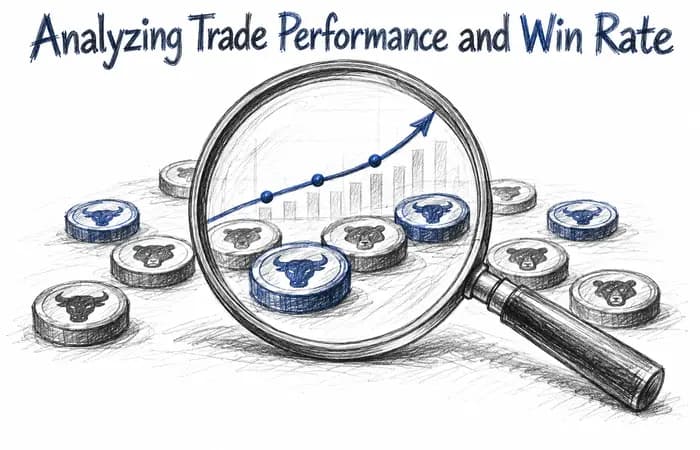
When discussing trading, the majority of people are fixated on achieving the perfect strategy. Even if you have the best strategy, it won’t help you if you’re not tracking how the strategy is actually performing. Tracking your trade performance or win rate is like the scoreboard in a sporting event. Without knowing if you are actually improving, staying the same, or diminishing slowly, you’re just guessing.
Critical Value of Tracking Performance
Trading without tracking your performance is like driving in a car with your eyes closed. You could get lucky for a while, but eventually, you’re going to hit the wall. When you track your performance, you can have clarity on two things: whether your strategy works and if you are executing your strategy properly.
Let’s say you think you are a “60% win rate” trader. You could think you’re a 60% win rate trader, but until you write down every trade and do the math it is just a gut feeling. Gut feelings won’t protect your account balance, but the facts will protect your account balance.
What is a Win Rate
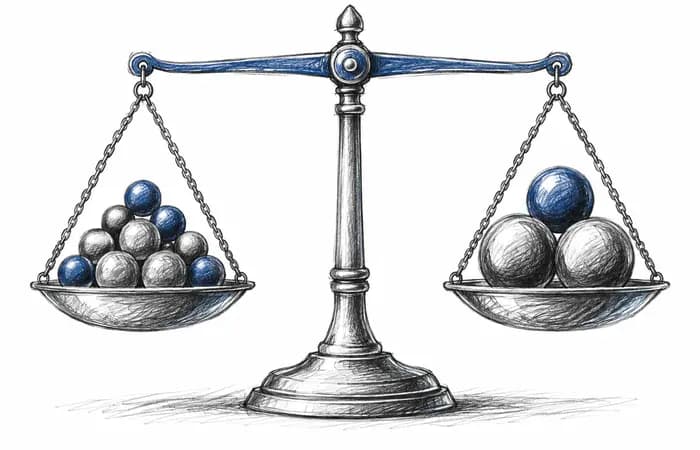
The definition of a win rate is the percentage of the trades that you win versus the total trades that you take. For example, if you take 100 trades, and 55 trades are profitable, your win rate is 55%. This is simple, right? Here is where many traders get stuck—they get obsessed with the number of results or high win rates versus the size of their wins versus their losses.A trader with a 40% win rate but a 3:1 reward-to-risk ratio could actually earn more money than a trader winning 70% of the time who settles for small wins. Win rate matters, but it's just part of the complete picture.
Performance Beyond Win Rate
Tracking performance is more than counting wins and losses. It should also include:
Average win vs average loss - Are you winning more than you lose?
Consistency - Do you have a lot of long losing streaks, or are your performances consistent?
Execution - Did you follow your trading plan, or did emotions override your rules?
This analysis can show you not just how often you win, but how well you execute trades as a whole.
A Simple Example
Trader | Win Rate | Avg Win | Avg Loss | Net Result (10 trades) |
|---|---|---|---|---|
A | 70% | $50 | -$100 | -$100 |
B | 40% | $200 | -$50 | +$550 |
Two traders:
Trader A wins more often, but continues to lose money since losses are larger than wins. Trader B wins rarely, but their win size creates a profitable outcome. This comparison gives a clear picture of why it important to look at win rate and performance together.
Tracking
You don't need a complex software application to track trades (even though you can find these applications available). A simple spreadsheet, or even a trading journal, is perfectly fine.Keep the following information for every trade:
Date and instrument (i.e., EUR/USD, GBP/JPY)
Entry and exit prices
Position size and stop-loss
Result (gain or loss)
Notes on why you entered and what your state of mind was
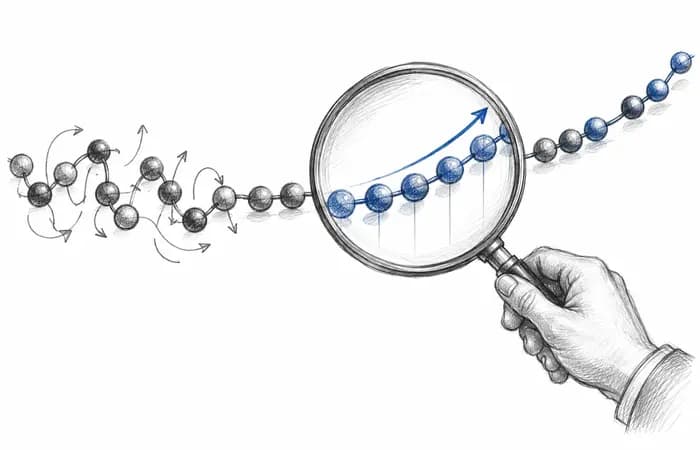
After a few weeks, some patterns start to appear. Maybe you consistently win in trending markets but lose in range-bound markets. Or you may see bigger losses when trading late at night after a long day. These patterns only occur through tracking.
Using Data to Get Better
Tracking is not about creating a history book, it's about tweaking things If your win rate is decent but your losers are too big, you know to tighten stops or decrease position size. If your win rate is not good, but your winners on the big swings keep you more positive than not, you want to figure out how to improve to capitalize on setups.
You can think of it like an athlete watching game films. An athlete watching game films isn't watching for entertainment, they're watching to see mistakes and change something up in their next contest. Your trading journal will serve the same purpose.
The Psychological Advantage
The other advantage to tracking your performance is a mental advantage. When you're able to look back and see data on a total drawdown, you will be able to remain confident. You will not think "I'm terrible at this" you'll say "my strategy still works, I just had a bad streak."
Conversely, tracking allows you to remain humble during a streak of wins. Numbers do not lie, and will remind you whether your profits where due to your skill or sheer luck.
Closing Thoughts
Tracking trade performance and win rate is not glamorous, however, I believe it is one of your best habits to build. In other words, it provides you with accountability, proof of work and the power to tweak, before it turns into a mistake too big to manage.
Trading is a journey, and counting is the way you measure growth along the journey. If you are looking for some practical tools and strategies to make tracking more meaningful, check the Learn section on Wikilix. It is full of useful resources to help traders like you trade better and improve with confidence.
Frequently asked questions
Answers to the questions readers ask most about this lesson.
Comments & Reviews
0 entries
Nothing on the record yet
Be the first to share what happened.
What's Next?
Keep building your knowledge with our structured learning path. Each section builds upon the previous one.