

Fake Forex Robots and Signal Services Involving Forex Brokers
Fake Forex Robots and Signal Services Involving Forex Brokers
"Uncover the truth about fake forex robots and signal services linked to brokers. Learn the red flags, risks, and how to protect your trading capital from scams."
Wikilix Team
Educational Content Team
10 min
Reading time
Advanced
Difficulty
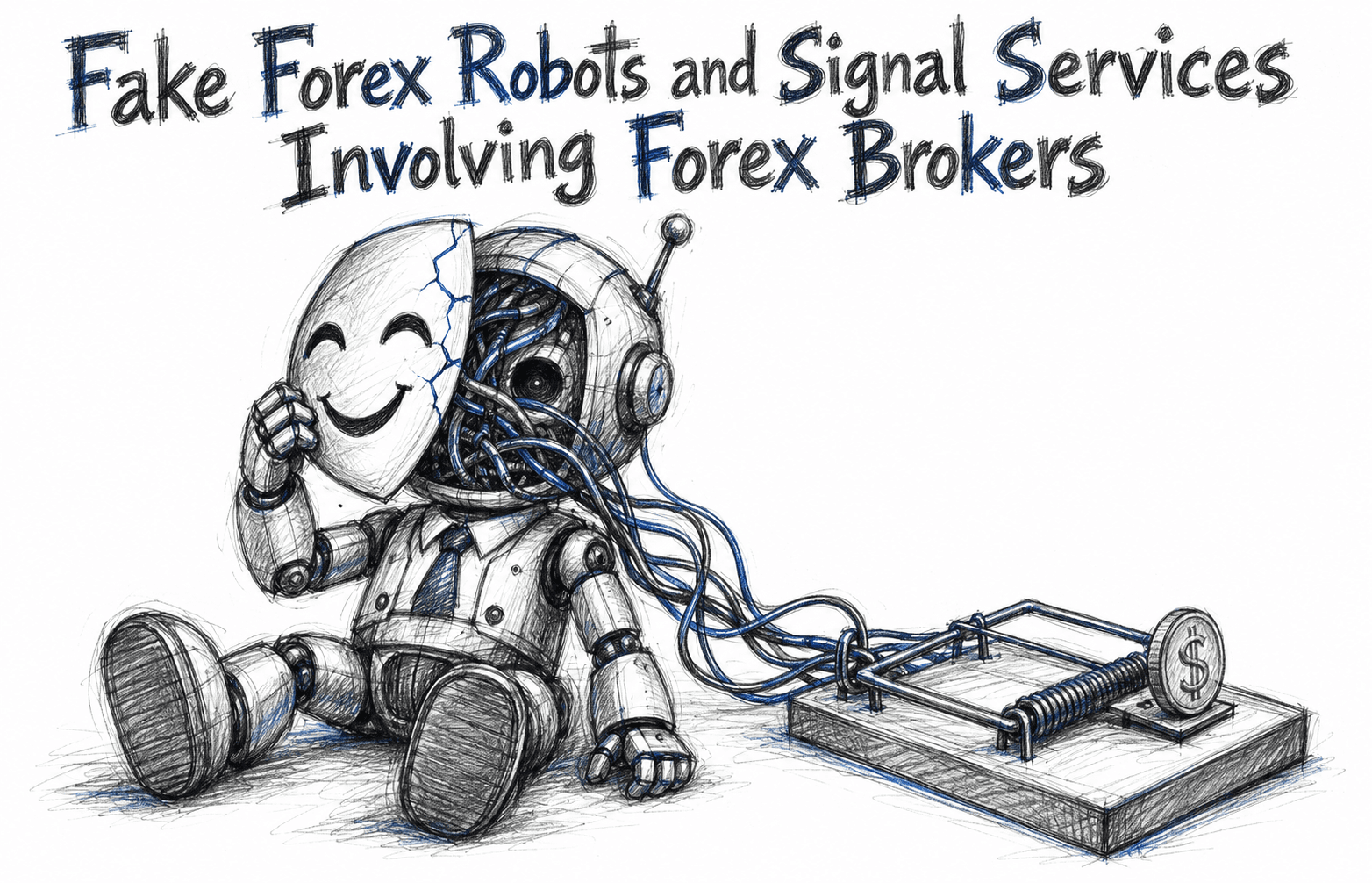
If you've been around the Forex space for even a little while, you have probably come across glitzy advertisements for trading robots promising "hands-free profits" and "exclusive signals" to help guarantee your success. At first glance, these offers look quite alluring. Who doesn't want to set up a system, or contract a service, and let it do the work for you?
The problem is, most of these trade robots and signal providers are scams. And in worse cases, some sketchy Forex brokers partner with these scams to lure in unsuspecting traders. To protect yourself, it's important to know about these scams, understand how they work, and recognize the signs to look for when spotting them.
The Allure Of Robots And Signals
Trading can often feel overwhelming, especially for newer traders. Robots (Expert Advisors or EAs) promise to automate the trading process and even trade for you. Signals services provide buy/sell alerts from "professional traders" that you can follow if you wish.
Both ideas sound appealing and appealingly simple: less headaches, less decision-making and, supposedly, more profits. This is why traders are easily persuaded by these offered ideas - they cater to the notion of simplifying a complex marketplace.
How Fake Robots Fool Traders
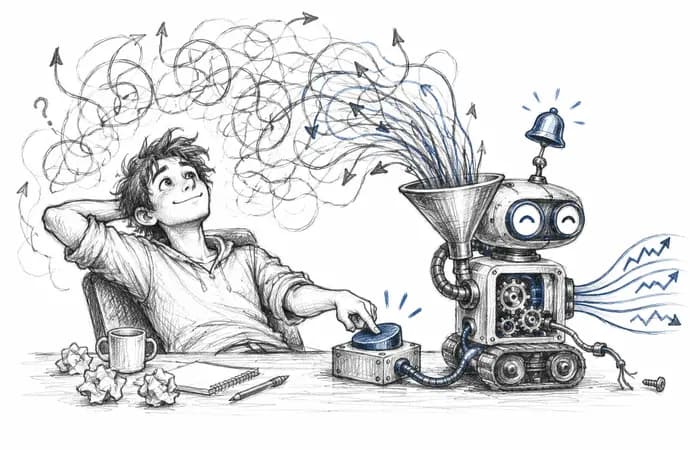
Scam robots are presented to you as "plug-and-play money machines". They mostly appear to have been marketed by professionals as they have winning trade screenshots, fake testimonials, and often have fake leased office space to add to the professional feel.
Here is how the scheme works:
The robot is programmed to trade recklessly and possibly make some short-term profitable winning trades, and then blow your account shortly thereafter.
In some cases there is not even a robot trading; the scam artists simply provide demo account trades on demo accounts to make you believe the robot has the ability to trade.Some brokers intentionally advertise these robots so they can profit from your losses. The more trades you enter and lose, the more fees they make.
The Signal Service Problem
Signal scams typically go like this - you get a service that tells you they will provide daily signals that will give you an advantage. They generally tout their "inside knowledge" or an "algorithm" that tell them where to look for trades before anyone else.
Initially, you may receive a few signals that do work, that builds some trust. But then those signals become sporadic and then mayated all before you get home from the pub. You pay any subscription and lose money for following bad advice.
A Quick Comparison
This is a quick way to tell the difference between legitimate services and scams:
Real Service | Fake Service |
|---|---|
Emphasizes risk and realistic results | Promises guaranteed profits |
Provides clear performance history | Shows cherry-picked trades only |
Encourages you to test before trusting | Pushes urgency and quick sign-ups |
if what you're getting offered looks like the right hand column - that should be your first indication.
A Story Everyone Trading Can Relate To
Take Mark for example, most online coaches would say he is a beginner. Mark buys a $200 robot after watching some Youtube ad. For the first week, his account balance gains. He gets excited and decides to put more money in. 4 weeks later the robot doubles down on its losing trades and takes out nearly all his funds. When he can finally contact the broker to untangle the situation they blame him for “improper settings”.
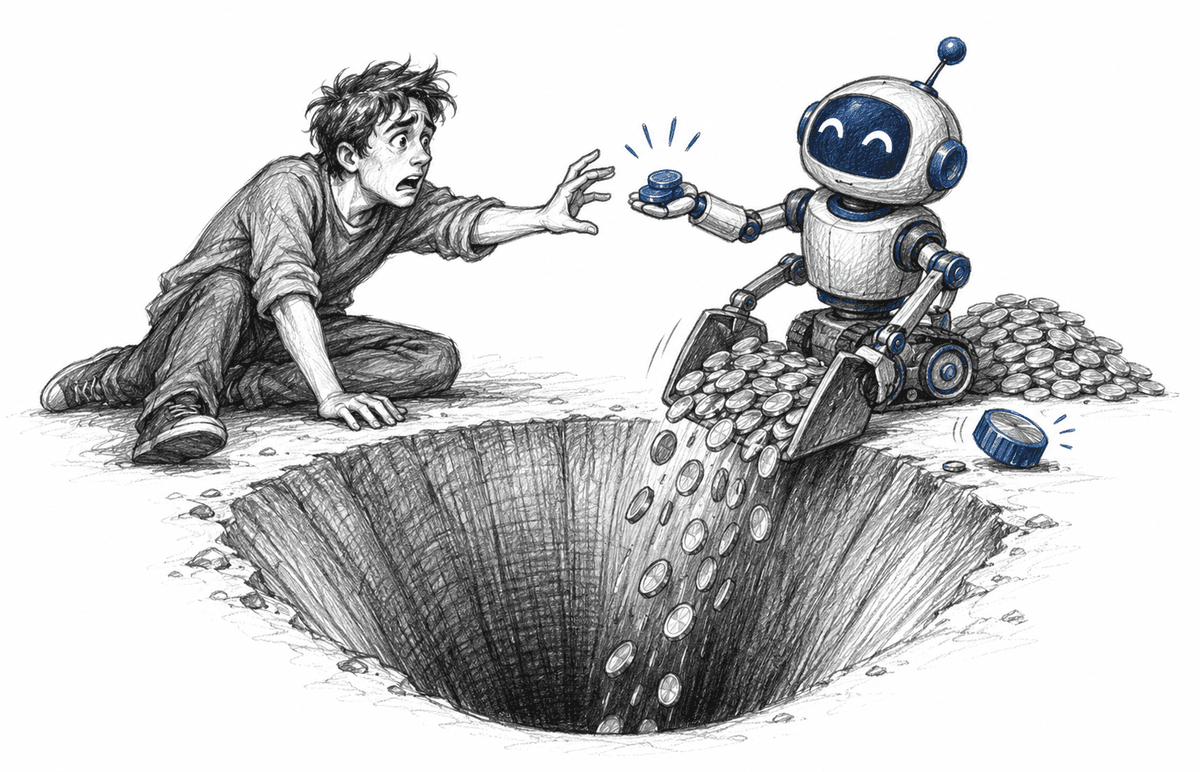
It wasn't just bad luck, it's a system designed to fail.How To Protect Yourself
Avoiding fake robots and signals is not about avoiding technology entirely – it is about exercising care and being realistic in your expectations. There are 2 easy habits to form.
1) Always test first on demo accounts – any truly credible robot or signal provider will allow you to test the system prior to risking your money. If they do not - walk away.
2) Check for transparency - look for verified performance records (for instance, tracking tools used by third-parties). If all you are seeing are bold claims and no evidence - that is a warning sign.
Oh, and remember: if the service is heavily promoted by a broker who is not heavily regulated - you should suspect that service twice as hard.
Why do brokers get involved?
Not all brokers push these schemes, but scam brokers do love them because they make money no matter the outcome. A broker makes money on the deal, regardless of whether the robot is a complete failure or the signals lead to a loss. In some cases, when brokers have a good relationship with the robot companies, they might even fund them secretly, just to get more clients into their platforms.
That is why it is crucial that you check the regulation and reputation of brokers carefully. A credible or trustworthy broker will not need to rely on gimmicks to attract clients; they will be able to run a business based on their solid platforms and client support.
Do not allow greed and impatience to define your actions.
Most traders fall victim to these scams because of two primary emotions, greed and impatience. Who would not want an easy way out of doing the hard work and let a robot or the signals do all the work? However, we all know that there is no shortcut.
If you are feeling even the slightest bit pressured to buy something they sell, take a step back and ask yourself, “If this works so well, why are they selling it to me for only $200 instead making millions with it?” That one question could save you thousands of dollars.
Final Thoughts
Fake Forex robots and fake signal services continue to hoodwink traders because they sell simplicity and quick turnaround profits. In truth, trading is a process which takes patience, emotions, skill and risk management. Robots and signals may help on occasion but only if you them from a reputable broker make them transparent.
Before you hand over any money, do the necessary searching, take your time to test things carefully, and never rush your decision. And if you would like a safer place to learn about how to improve your trading knowledge, you can start a safe journey on the Learn section on Wikilix to give you a proper foundation. The more you learn, the more difficult it will be for the scams to trick you.
Frequently asked questions
Answers to the questions readers ask most about this lesson.
Comments & Reviews
0 entries
Nothing on the record yet
Be the first to share what happened.
What's Next?
Keep building your knowledge with our structured learning path. Each section builds upon the previous one.