

The Australian Securities and Investments Commission (ASIC) has issued a warning about increasing fraud involving fake crypto trading platforms, which scammers are promoting through messaging app groups and online forums. The schemes are largely driven by social media activity and appear to disproportionately target younger Australians who are active in crypto markets.
According to MoneySmart research, 23 per cent of Australians aged 18 to 28 own crypto assets. Among these young investors, 66 per cent adopt a short-term or speculative approach to managing their crypto holdings. The research, based on a survey of 1,127 individuals, also found that 29 per cent engage in short-term trading influenced by social media personalities.
Scam tactics using fake platforms and social media
ASIC explained that scammers typically begin by approaching potential victims through social media advertisements and posts that offer trading tips. Victims are then invited into messaging groups where they are enticed with purported stock tips from impersonated "well-known figures". Within these groups, scammers make investment recommendations that direct victims to fake crypto trading platforms.
The regulator noted that these bogus platforms can display screens showing apparent profits and trading activity, but all of the displayed data is fabricated. When victims attempt to withdraw funds, they are frequently pressured to pay additional "unlock fees", which deepens their losses. In reality, victims’ funds are not invested at all but are diverted straight into accounts controlled by the scammers.
High exposure of Gen Z to crypto promotions and scams
The MoneySmart survey found that 72 per cent of Gen Z Australians see social media advertisements related to crypto, and 41 per cent have been contacted directly by someone about investing in crypto. This high level of exposure increases the risk that younger investors encounter fraudulent schemes.
ASIC highlighted that the targets of such frauds often include victims of pump-and-dump schemes, who may later be approached by scammers offering to help recover their lost funds. These so-called recovery services are themselves scams, leading to further financial losses for victims. The regulator noted that such recovery scams are widespread globally and have prompted warnings from ASIC’s counterparts in other jurisdictions.
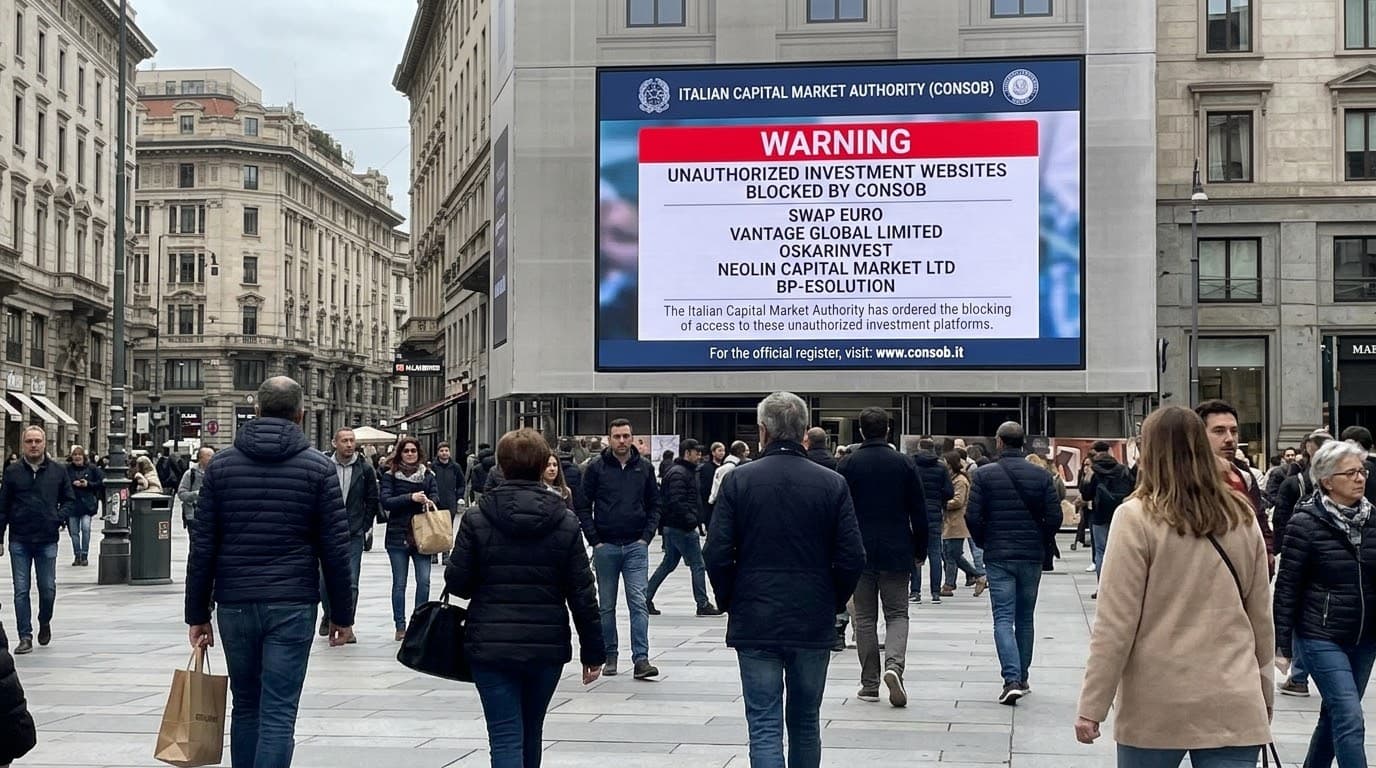
In response to the growing threat, the Australian watchdog reported that it had taken down nearly 12,000 investment scam and phishing websites by 2025. The actions underscore ongoing regulatory efforts to curb online investment fraud and protect investors, particularly younger Australians engaged in speculative crypto trading and social media-driven investment activity.