

Wikilix
brand
brand

  • Home
  • Broker
  • Regulators
  • Learn
  • Articles
  • News
  • SpreadMeter
  • Prop
Call us123 456 7890329 Queensberry Street, North Melbourne VIC
3051, Australia.
[email protected]
Wikilix - Broker Reviews & Analysis

Your trusted platform for comprehensive broker reviews, analysis, and trading education. Making informed trading decisions through transparency and community insights.

Trusted by 50,000+ traders worldwide

Quick Links

  • About
  • Contact us
  • Regulators
  • Education
  • Privacy Policy

Resources

  • All Brokers
  • Top Brokers
  • Scam Alerts
  • News
  • Spread Meter

Connect With Us

[email protected]
[email protected]
Secure & Encrypted
Global Broker Coverage
© 2026 Wikilix. All Rights Reserved.

Trading involves risk. Please consider your investment objectives and risk tolerance before trading.

Choose Language

Select your preferred language

Language changes will apply immediately

  • Home
  • Broker
  • Regulators
  • Learn
  • Articles
  • News
  • Spread Meter
  • Prop FirmsNew
Choose Language

Select your preferred language

Language changes will apply immediately

/
/
HomeNewsCySEC at 30: From EU Gateway to Core Retail Trading Regulator
Back to News

CySEC at 30: From EU Gateway to Core Retail Trading Regulator

CySEC marks its 30th anniversary with a legacy of rapid expansion, regulatory controversy, and evolving oversight of Europe’s retail trading sector. From EU accession to leverage caps and crypto under MiCA, the regulator’s remit and scrutiny have steadily grown.

Wikilix Editorial Team

Author

April 29, 2026
3 min read
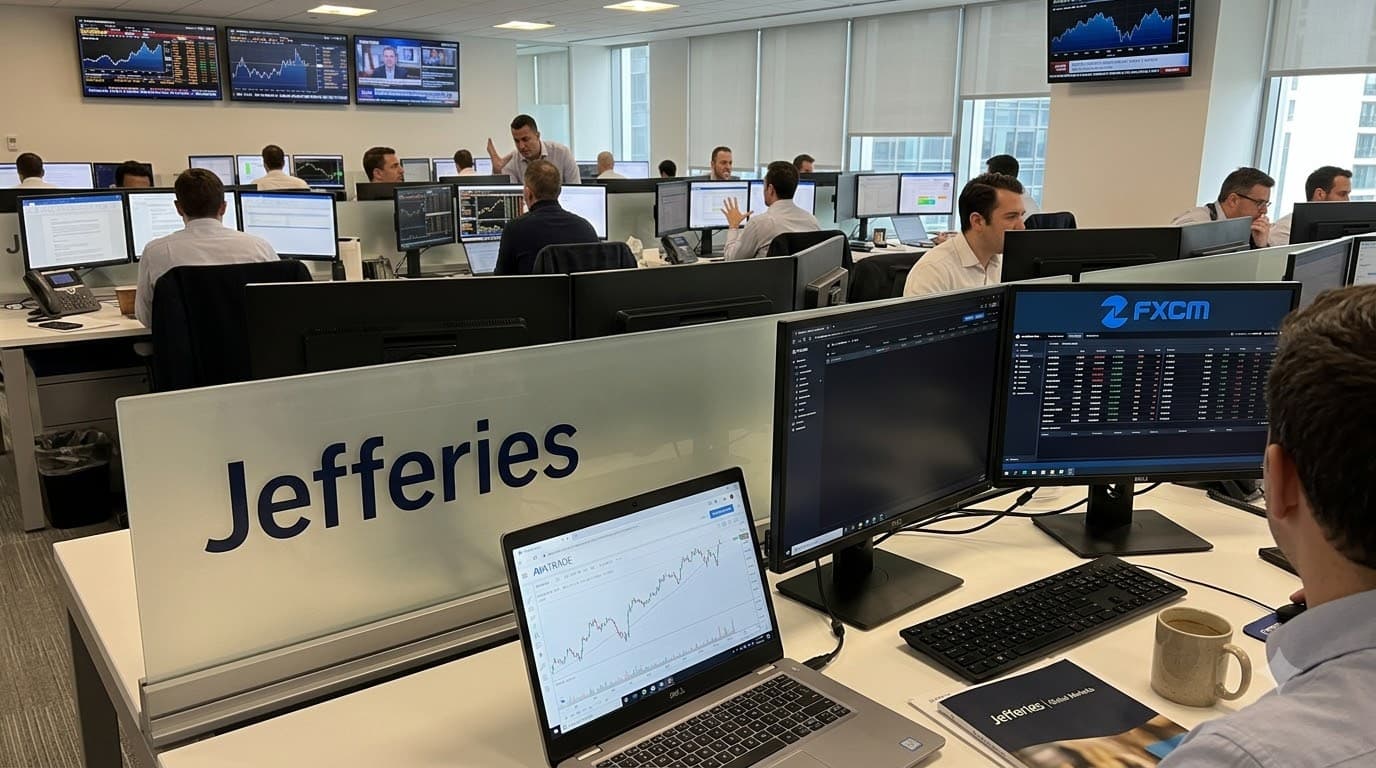
Market performance chart Q1 2026

CySEC marks its 30th anniversary as one of Europe’s most influential, and at times embattled, regulators of retail trading. Over three decades, the Cyprus Securities and Exchange Commission has overseen the transformation of Cyprus from a minor financial centre into a hub for cross-border brokerage activity.

When CySEC became an independent public body in 2001 under Chairman Frixos Sorokkos (2001–2006), Cyprus had little in the way of a retail brokerage industry. The initial focus was on building a regulatory framework before significant market participants emerged.

Cyprus’s accession to the European Union in 2004 proved decisive. EU passporting turned the country from an isolated market into a gateway for firms seeking access to European clients. The implementation of MiFID into local law in 2007 formalised the Cyprus Investment Firm (CIF) structure and provided brokers with a legal springboard into Europe. Alongside MiFID, the Investor Compensation Fund was established to give retail clients a measure of protection when disputes arose.

By 2011, CySEC supervised around 116 CIFs. A pivotal moment followed in 2012, when the regulator recognised binary options as financial instruments. Binary options attracted strong industry interest but were associated with high loss rates, with studies by national supervisors indicating that 75–90% of retail clients lost money. The decision triggered a rapid influx of brokers to Cyprus, particularly those offering binary options and contracts for difference (CFDs) with leverage of up to 1000:1.

By the mid-2010s, Cyprus had become a de facto centre for the online brokerage industry, exposing weaknesses in supervision. The IronFX case between 2014 and 2015 became emblematic of the period. Thousands of clients and introducing brokers accused the firm of withholding funds, while CySEC identified questionable client classifications, poor record-keeping, and a US$176 million shortfall in client funds. The regulator settled with IronFX, imposing a €335,000 fine, which drew criticism from some observers as being too lenient.

European authorities responded to wider concerns about cross-border oversight. In 2016, ESMA highlighted supervisory gaps, and in 2018 it moved to ban binary options, cap leverage, and restrict aggressive marketing practices across the European market.

Under Chairman George Theocharides, who assumed the role in 2021, CySEC’s responsibilities have broadened beyond FX and CFDs to include crypto-asset oversight under MiCA and operational resilience under DORA. In 2025, the regulator capped leverage on non-major CFD assets, including agricultural commodities, at 10:1. The number of regulated CIFs has been relatively stable, increasing only from 242 in 2020 to 252 in 2025.

Complaints against Cyprus-based brokers rose 46% in 2024. CySEC has responded with additional resources, higher fees, and tighter oversight. Licensing costs are due to increase in 2026, while the authority expands its physical presence and plans to hire more staff.

After three decades, CySEC has moved far beyond its origins as a quiet island regulator. It now sits at the centre of Europe’s retail trading ecosystem, operating under sustained pressure and continuing to adapt its supervisory approach as new products and rules emerge.

Share this article:
Back to All News

Comments & Reviews

0 comments

Share Your Thoughts

What do you think about this article?

Write your comment

Share your honest experience

How would you rate your experience?

0 chars

📸 Add Images (Optional)

Visual evidence makes your review more credible

Loading comments...

Frequently Asked Questions

Common questions about this article

Related Articles

Rakuten Securities Tops 14 Million General Securities Accounts Amid Retail Shift

Rakuten Securities Tops 14 Million General Securities Accounts Amid Retail Shift

Rakuten Securities said its general securities account base surpassed 14 million in April, adding 1 million accounts in roughly five months. The firm attributes the pace to product initiatives that lower barriers for first-time investors as Japanese households move cash into investment products.

Apr 30
3 min read
ASIC cancels ABL Funds Management AFS licence over reporting failures

ASIC cancels ABL Funds Management AFS licence over reporting failures

ASIC has cancelled the Australian financial services licence of ABL Funds Management Pty Ltd after the firm failed to lodge statutory audit and financial reports for three consecutive financial years. ABL may seek a review of the decision by the Administrative Review Tribunal.

Apr 30
2 min read
iForex Posts 2025 Revenue Decline and Swings to Net Loss After IPO Costs

iForex Posts 2025 Revenue Decline and Swings to Net Loss After IPO Costs

CFD broker iForex reported a 2% revenue decline to $49.1 million in 2025 and swung from profit to a $3.2 million net loss, impacted by IPO-related costs. Trading volumes rose slightly, but active clients and profitability metrics weakened.

Apr 30
2 min read