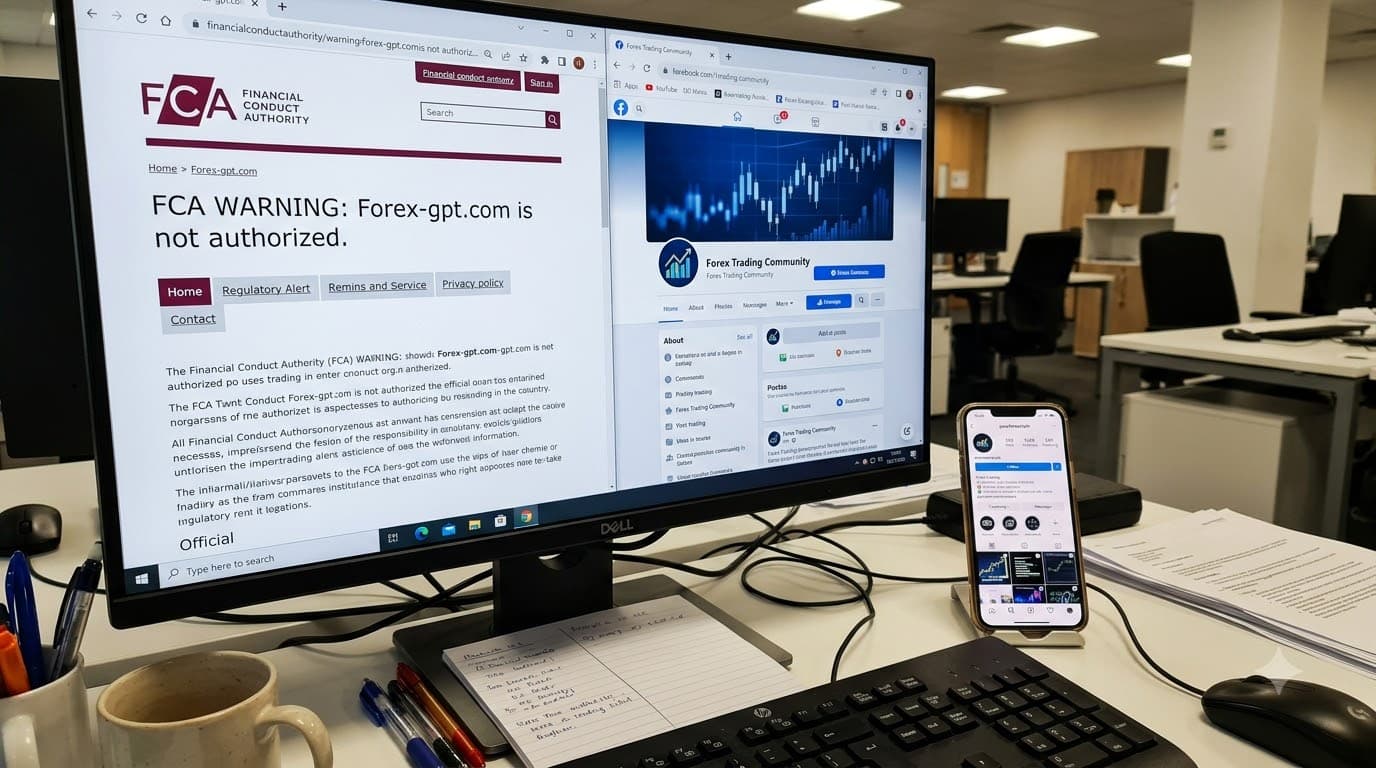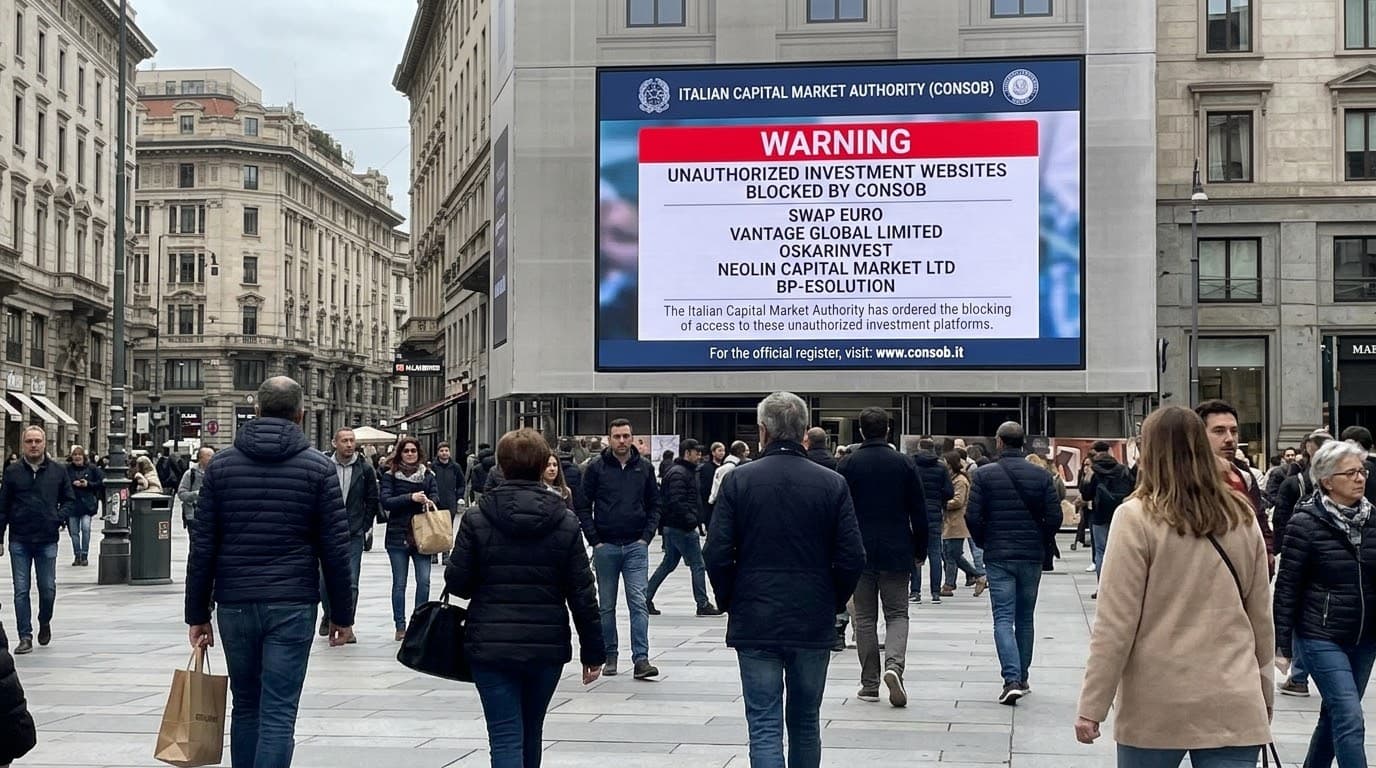


The Financial Conduct Authority (FCA) has made its second announcement for retail clients using contracts-for-difference (CFDs), explaining the dangers to those firms that encourage them to become professional clients, as well as to firms that advertise risky products through social media.
What happened:
On 30 October 2025, the FCA released a statement to help retail clients understand that they would lose essential protections if a firm encouraged them to give up their retail client classification, including safeguards such as leverage caps or loss coverage. The FCA also noted an uptick in aggressive "finfluencer" campaigns encouraging clients to switch to offshore or unregulated CFD providers.
Why this is important:
Firms conducting CFD activity have a duty to ensure their clients are appropriately classified, and they cannot avoid the regulations by having a retail client self-classify as a professional client as a result of solicitation or advertising. This in particular applies to forex brokers, where firms operating in the UK must consider a greater risk of compliance and regulatory enforcement if clients are not accurately classified. The FCA Statement reiterated the retail client protections, for example, leverage caps and segregated funds, and said that if firms are not following these protections, they could face regulatory enforcement.
WikiLix Insight:
This warning for brokers is highlighted on WikiLix, as brokers that support or have a contact presence in the UK, including those that market into the UK, also have the responsibility to ensure that their marketing or onboarding activity does not create a reason for their retail clients to become "professional" clients if not justified. The increase in the number of courier industry professionals or influencers, and in related professional advertising, also signals that regulatory vigour in compliance investigations and reviews of promotional practices for firms will be even stronger.
Given the implications for brokering practices, brokers should review the assessment and interview track status of their social media marketing to ensure compliance, transparency of risk qualification, and a thorough assessment of regulatory status.