
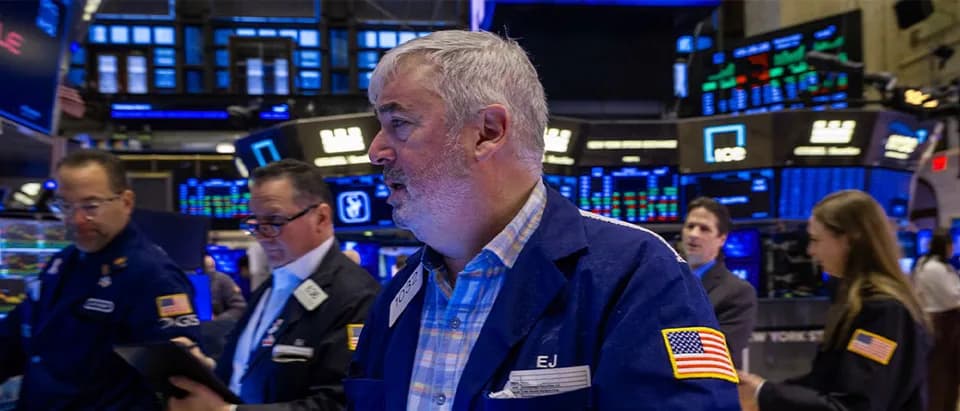
The Cboe Volatility Index (VIX) – also known as Wall Street's indicator of "Fear" – spiked to its highest level in almost 5 months on Tuesday, driven by fresh concerns about US-China trade tensions unsettling global markets and investors positioning for potential selloffs.
What Happened
• The VIX, representing expected volatility in the S&P 500, increased sharply on October 14, 2025, following a notable rise in demand for downside protection via the purchase of put options.
• The spike came fresh from rising tensions between Washington and Beijing, after reports of possible new technology export restrictions and retaliatory tariffs appeared.
• Major US equity indices were down as the US dollar and gold were safe-haven assets. Both reflect investors, both institutional and retail, seeking safety.
Why It Matters
• A Rise in Volatility Risk – Increasing volatility will affect brokers and liquidity providers by widening spreads and raising margin requirements. Retail traders who are highly leveraged may have increased exposure.
• Fundamentally Shifting Market Sentiment - A sustained period of increasing VIX could indicate the trajectory of a correction period. Prolific brokers offering CFD and equity index trading would be managing risk aggressively as their clients rebalance portfolios.
• Brokers in the Forex market would benefit from increasing volumes within forex pairs — denominated in USD.
WikiLix Insights
The VIX increase is yet another reminder of how quickly geopolitical tensions can cascade through the financial ecosystem. For brokers, it is vital to have a solid risk management system, margin buffers, and a communications plan in place when risk events take shape.
For traders, this serves as a reminder of how macro headlines — especially those on the US and China — can drastically change liquidity and volatility conditions overnight.