

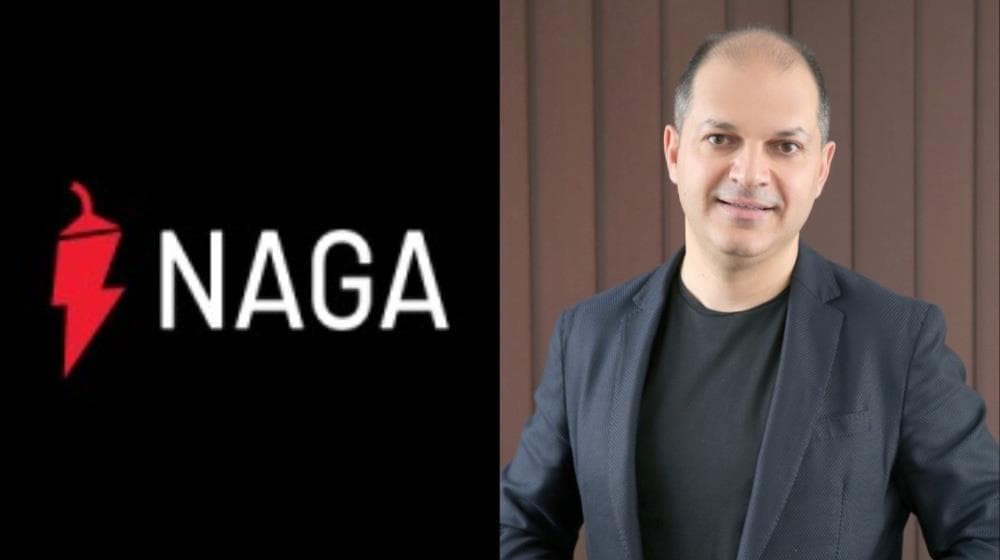
The NAGA Group AG, the Xetra-listed fintech behind the Naga One financial app, announced that it is building its next phase of growth around artificial intelligence, with the technology already reshaping several core functions. The update was released one week before the company is due to publish unaudited first-quarter results and follows a sharp rebound in its Hamburg-listed shares.
NAGA said AI fully resolved approximately 66% of chat-based customer support interactions in the first quarter with no human involvement, and that it plans to extend similar automation to email. The company added that AI-driven tools have increased marketing creative output by three to five times, while the marketing department now operates with around 20% fewer staff than before.
According to NAGA, AI has also compressed partner onboarding times from about 10 days to roughly one day, and shortened engineering cycles from multiple weeks to single days. The company stated that none of these figures were independently audited and did not disclose the methodology for its productivity comparisons or the baseline measures for engineering and onboarding gains.
Chief Executive Octavian Patrascu positioned the AI rollout as more than a cost-focused initiative, despite much of the disclosed impact relating to headcount and process efficiency. He said the company already sees AI as “much more than an efficiency tool” and as something that is “fundamentally changing how we scale our business.”
AI roadmap and business profile
NAGA flagged an AI-assisted layer inside the trading environment as part of its 2026 product roadmap. This sits alongside further work on social trading, crypto and simplified investment products, which are aimed at broadening the platform’s appeal beyond active traders. The Hamburg-based firm reports more than 2.5 million registered users on its platform, which combines CFD trading, stock and ETF investing, crypto, copy trading and neo-banking functions.
Share price volatility and financial guidance
The company’s AI-focused update follows an unusually volatile period for The NAGA Group AG (XETR: N4G0). According to TradingView data cited in the release, the shares touched an all-time low of €1.31 on 9 April, then closed at €3.19 on 15 April. Trading on Thursday also started positively, with the stock strengthening to €5.50 and reaching an intraday high of €6.00, representing a gain of 350% from the April low.
In December, NAGA implemented a 10-for-1 reverse share split, reducing registered share capital from €232.8 million to €23.3 million. The shift to an AI-first operating model follows what the company described as a structurally challenging year. Full-year 2025 group revenue was €62.4 million, slightly below €63.2 million in 2024. EBITDA declined to €3.3 million from €9 million a year earlier, with NAGA citing low market volatility, spread compression and weaker copy trading activity.
For 2026, the Hamburg-based group has guided for revenue between €68 million and €75 million and EBITDA in the range of €10 million to €15 million, indicating expectations of improved profitability alongside the rollout of its AI initiatives and product roadmap.