

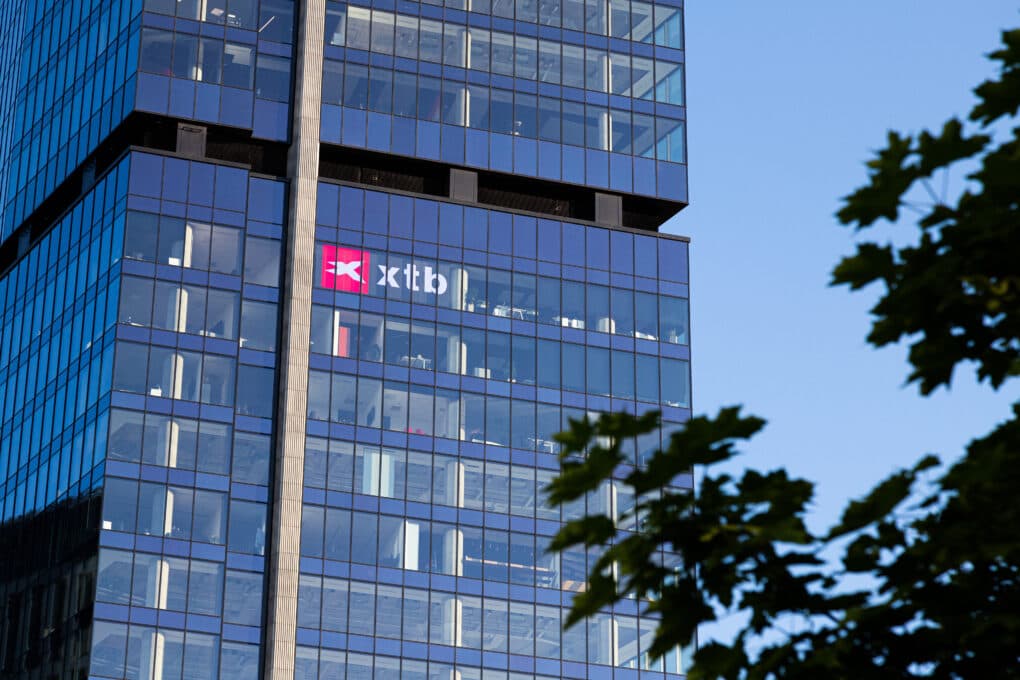
The Polish Financial Supervision Authority (PFSA or KNF) is tightening its focus on how contracts for difference (CFDs) are marketed and sold to retail investors in Poland, including by brokers operating on a cross-border basis. Deputy chairman Dariusz Adamski outlined the regulator’s approach in an interview with the daily Parkiet published last week, marking the first detailed public comments from KNF leadership since the authority imposed a record penalty on XTB in March.
Adamski said KNF is “currently analyzing how CFD products are offered, both by domestic brokers and by entities operating cross-border”. The review is centered on how firms assess investor experience, knowledge, and understanding of the risks associated with CFDs, and whether these processes comply with MiFID II standards. Although he did not name any specific firms under review, his comments indicated an active supervisory focus on this asset class.
The regulator’s stance follows KNF’s March 30 decision against XTB, in which it imposed a PLN 20 million (approximately $5.5 million) fine, the largest ever levied on a Polish brokerage house. KNF found that between January 2022 and September 2023, XTB used client questionnaires that did not adequately measure customers’ experience with complex financial products. The authority also concluded that XTB failed to define appropriate target groups and to disclose CFD risks properly.
Different Approach for Simple and Complex Products
Adamski drew a clear distinction between simple and complex financial instruments when discussing potential changes to MiFID suitability tests for retail entrants. For uncomplicated products, he said, the regulator wants to make the onboarding process less intimidating. For complex, high-risk products, however, he indicated that the requirements would be tightened rather than relaxed.
“The capital market cannot function like gambling,” Adamski told Parkiet. “Investing should be based on informed decisions, understanding of risk, and building long-term value, both for investors and the entire economy.” His remarks suggested that CFDs fall into the category of products where stricter appropriateness, target-market definition, and risk-disclosure standards will be enforced.
Implications for Domestic and Cross-Border Brokers
Adamski indicated that KNF intends to apply its rules with equal rigor to Polish-licensed brokers and to firms that serve Polish clients from outside Poland. While the regulator does not aim to issue “another round of record fines in a year or so,” he said its objective is to ensure that “within a few months the market operates fully properly.” If that goal is not met, he warned that KNF would “roll out the heavy artillery.”
For firms offering CFDs to Polish retail clients, the message is twofold: regulatory friction for simple products is expected to decline, but oversight of complex, high-risk instruments such as CFDs is set to become more stringent. The XTB enforcement case now serves as a template for how KNF expects MiFID II rules on onboarding, suitability, and risk disclosure to be applied across the market.