
A quiet shift in offshore licensing is unfolding in the proprietary trading sector, as several firms move registrations from the Comoros to Mauritius. The same firms that rushed to secure registrations in the Comoros in early 2024 are now appearing on the books of the Financial Services Commission (FSC) of Mauritius, with some refocusing their brokerage operations under the new regime.
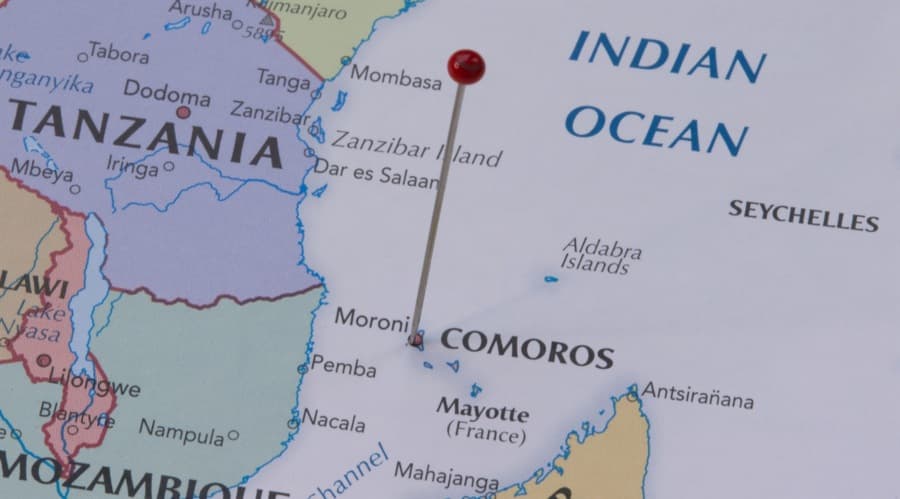
The initial Comoros push followed changes by MetaQuotes, which tightened rules on white-label arrangements with proprietary trading firms in early 2024. Firms that had relied on MetaTrader platforms for evaluation models found themselves searching for alternatives. A number of them turned to the Comoros, where entities including FundingPips, City Traders Imperium, Goat Funded Trader and Wall Street Funded established operations.
For many, the Comoros route appeared primarily functional rather than strategic. Registration there was seen less as an effort to build a traditional brokerage and more as a way to obtain direct licensing for MetaTrader platforms. The option was considered fast, relatively inexpensive and light on requirements, providing a quick solution to the MetaQuotes squeeze.
However, the Comoros framework has been controversial. The licences used by these firms are issued not by a national regulator but by island-level authorities such as the Mwali International Services Authority (MISA). The Banque Centrale des Comores, the country's central bank, has publicly stated that such bodies lack the legal standing to license financial firms, describing the MISA register as a fabricated entity with no genuine presence in the Union's jurisdiction.
Mauritius Emerges as Preferred Offshore Hub
In contrast, Mauritius has long served as an offshore destination for established contracts for difference (CFD) brokers. Its FSC maintains a public register and is viewed as a more established offshore financial centre. In this context, several prop trading-linked brokers have recently obtained Mauritius licences.
FundingPips secured an Investment Dealer licence in June 2026. FNmarkets, the brokerage arm of FundedNext, along with Hola Prime and Finotive Markets, have also been authorised by the FSC. In several cases, these firms are now presenting their brokerage services from their Mauritius entities rather than from the Comoros-registered companies.
Mauritius offers tax advantages, treaty access and a recognised regulatory framework that the Comoros does not readily match. This combination appears to be drawing proprietary trading firms away from the more lightly structured Comoros arrangements and towards a jurisdiction with a clearer supervisory profile.
It remains uncertain whether the sector will fully reroute to Mauritius or evolve into a two-tier system in which firms maintain both Comoros and Mauritius entities for different purposes. What is evident is that the offshore map for prop trading is being redrawn, with Mauritius currently positioned near its centre.