
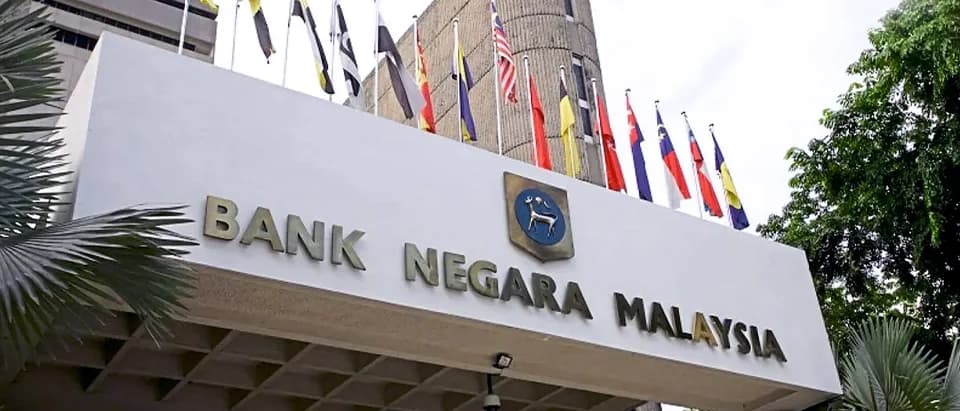
A joint public statement was issued by the U.S. Treasury Department and the Bank Negara Malaysia (BNM) on October 28, 2025, committing to transparency in foreign-exchange (FX) practices regarding FX market intervention, reserving intervention for exceptional volatility. See the U.S. Department of the Treasury
What happened
The Treasury Department and BNM committed to the fact that interventions in forex markets will not be an effort to gain a competitive advantage using manipulated exchange rates; they agreed to publish aggregated net purchase/sale of FX on a six-month rolling basis, and to publish reserve and forward-position data every month. See the U.S. Department of the Treasury
Why it matters
For the forex broker ecosystem, this statement signals greater oversight of FX markets from macro-policy and regulatory perspectives. International or cross-border brokers who provide FX market access may face heightened oversight of their business, increased expectations for transparency, and potentially an increased operational burden to disclose to regulators more frequently and/or to understand and apply new regulatory obligations.
WikiLix insight
This is not an announcement about a broker licence, but rather an essential macro-regulatory statement: it appears that authorities are moving from a “hands-off” FX policy towards employing structures for FX market disclosure; which for both clients and brokers can mean: (a) new compliance burdens for brokers who serve clients in the Malaysia-USA corridor or any other linked markets; (b) a corresponding operational financial risk to the broker; and (c) potentially tighter spreads or fees as compliance costs are passed through; and as always, such developments should be especially scrutinized where the brokers possess weaker regulatory footprints.