

Overview of Different Trading Styles (Scalping, Day, Swing, Position)
Overview of Different Trading Styles (Scalping, Day, Swing, Position)
"Discover the key differences between scalping, day trading, swing trading, and position trading. Learn which trading style fits your goals, risk tolerance, and time commitment best."
Wikilix Team
Educational Content Team
12 min
Reading time
Intermediate
Difficulty
My best investment was an impulsive purchase, driven by its unique design. In retrospect, it isn't well-known among those in the finance world, and even the supplier didn't highlight it. My research revealed that my investment was more reasonable compared to the flashy brands on the market, which had left me with a hefty bill. Let go of the facts, and focus on what I'd buy if I could turn back time, but not changing a thing about my future pleasures.
Different Trading Styles
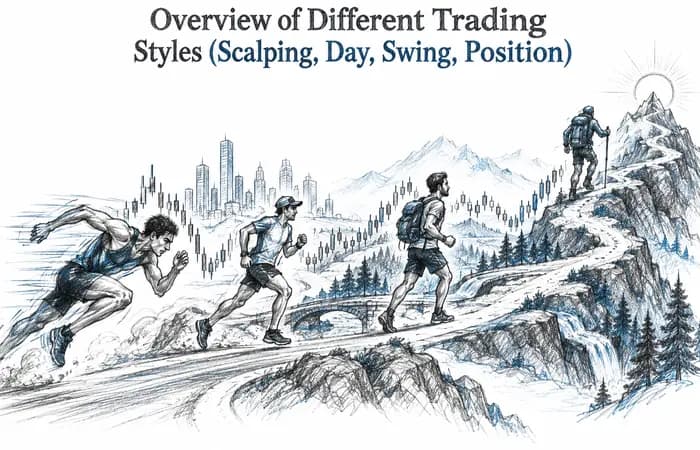
Scalp Trader - Their trade duration is usually no more than a few seconds, and they are the fastest traders on the highest side of trading costs per share. If you have it, scalp trading is for you.
Day Trader - A day trader will hold a position longer, though rarely through the end of the day.
Swing Trader - A swing trader holds a trade significantly longer than a day trader, usually days or weeks, but often longer; it will be the last.
Position Trader - A position trader will hold the longest. Most people would consider long-term investing to be a position trader; however, within the trading world, they will hold trades open for weeks to months or longer. Scalping: A Quick Strategy
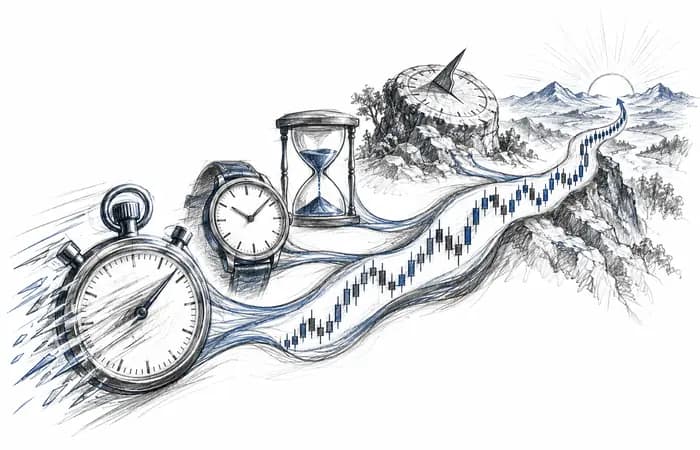
Timeframe: seconds to minutes
Goal: capitalize on many small gains
Risk Level: potential for very high execution risk
Scalpers seek to capitalize on microprice movements. They open and close trades exceedingly quickly - sometimes within seconds - looking to "skim" many small profits. Since scalping is reliant solely on speed, traders need superhuman reflexes, extremely low latency execution, and persistent vigilance.
Pros:
• many opportunities per day
• very brief exposure to market risk
Cons:
• transaction costs detract from profits
• can be very stressful, with little room for error
• requires absolute focus and steadfast discipline
This style works well for traders who can thrive under pressure and have the means and time to manage very short-term trades.
Day Trading: Today Only
Timeframe: minutes to hours (closed by self or market close)
Goal: to profit from intraday movements
Risk Level: moderate to high
Day traders open and close all positions during market hours. They find ways to profit from an intraday position without overnight exposure. Day traders tend to rely more heavily on technical analysis, chart patterns, momentum signals, and intraday volatility.
Pros:
• no overnight risk
• frequent opportunities
• very structured entry/exit
Cons:
• requires continuous monitoring
• Emotional fluctuations can detract from decision-making.
• require risk control and discipline of self
Day trading works well for people who can commit to a full or partial day to staring at the markets closely.
Swing Trading: Riding the Swings
Time frame: days to weeks
Goal: ride short to medium trend
Risk level: moderate
Swing traders aim to capitalize on the "swing" movement in markets, which is characterized by an upward or downward trend. They enter a trade after a pullback or breakout, and exit the trade once the momentum begins to dissipate. Swing trading combines technical and, at times, fundamental analysis.
Pros:
• You are looking at the screen less over the day or scalp trading
• You can make a larger profit on each trade
• You can work it around your schedule
Cons:
• Overnight and weekend risk(gaps)
• Fewer trading opportunities
• Requires patience and good judgement of trends
This style is well-suited for part-time traders or those with other commitments, such as jobs.

Position trading: the long view
Time frame: weeks, months, or even years.
Goal: catch the significant market trends
Risk level: lower day-to-day risk, but risk of more profound market changes
Position traders behave like investors. They look for strong macro trends, fundamentals, and structural changes. Most of the noise in the short term is ignored, and the focus is on the big picture moves.
Pros:
• Less stress from daily fluctuations
• Good for long-term planning
• Less commission impact for lower turnover
Cons:
• Holding risks greater draws( or swings)
• Capital tied up for long periods
• Requires strong fundamental knowledge, conviction, and patience
Position trading is ideal for those with a long-term horizon and a patient personality who prefers not to micromanage every trading day.
How to Choose the Right Style for You
Here is a mini checklist to help you decide:
Factor Scalping / Day Swing Position
Time available each day: High, Medium, Low
Emotional tolerance High Moderate Moderate
Capital size ( for costs) Higher needed ( to absorb the fees) Moderate Moderate to high
Analytical style, Fast technical signals, Trends + patterns, Fundamentals + macro
Desired frequency: Many trades daily, Fewer than 5 per week, Few per month, or fewer
It is often best to try more than one style in simulation or small scale until it "clicks" with your rhythm and temperament.
Common Mistakes & Tips
• Over-trading: jumping in too often, just because of the action
• Switching strategies to quick: avoid abandoning initial losses
• Ignoring risk: every style will have stop-loss discipline
• Not being psychologically ready: "Impatience and fear" can ruin performance.
There are no unequivocally superior styles. Success is primarily based on your traits being consistent and aligning with your own discipline.
Conclusion
Trading is very subjective with "no one size fits all." Scalping allows you to pick off many small profits quickly, but it's a fast and intense strategy. Day trading enables you to capitalize on high opportunities within a single session. Swing trading offers more flexibility and increased profit opportunities. Position trading involves higher-timeframe trading, characterized by patience and a focus on long-term trends.
Your best style is the one that you can stick to, that fits into your schedule, temperament, and goals. So you could try a few, fail fast and in smaller amounts, and eventually land on spontaneous energy. When you do this, trading won't feel so much like a game of luck-- trading starts to feel like a pathway.
Frequently asked questions
Answers to the questions readers ask most about this lesson.
Comments & Reviews
0 entries
Nothing on the record yet
Be the first to share what happened.
What's Next?
Keep building your knowledge with our structured learning path. Each section builds upon the previous one.