

Trading with a small account can be exciting yet scary, as many new traders have limited capital when starting out (and therefore don't know whether their balance will allow them to trade in global financial markets). Fortunately, technological developments in online trading platforms allow more people than ever before to trade, and even those with small deposits can now find forex, commodities, indices, and other instruments through professional trading platforms.
When trading with a small account, the choice of broker is crucial. Spreading capital across high commissions charged by a broker, large trade spreads, and complex withdrawal processes can be detrimental to traders with small accounts. Every dollar counts, and poor trading conditions could quickly erode capital.
A large broker may not provide adequate service for those with only $50 or $200 in their account, so small-account traders typically require a broker that offers low minimum deposits, tight spreads, micro-lots, and an easy-to-use trading platform to manage risk and learn to trade in the financial markets.
When discussing the differences between brokers, we will identify suitable brokers for small account traders, examine the minimum deposit requirements of various brokers, and explain which features should be emphasized for the greatest success for small account traders. Lastly, we will provide a comparison of some of the more frequently referenced beginner- and limited-capital brokers. Please see the table below for a side-by-side comparison between brokers.
The Importance of Broker selection for small account traders
The broker you choose when starting with a small account will impact your trading experience and long-term success.
An example would be a trader who has a $100 account. If they use a broker with wide spreads or high commissions, they will most likely erode their entire capital very quickly before even establishing a trading plan. Using a broker with competitive spreads or flexible position sizing will allow small-account traders to stay in the market longer, gain more experience, and develop their trading strategies.
Simply put, the size of your position will have a major impact on your trading success. Brokers that support micro or even nano lot trading are extremely helpful to new traders who are learning to properly manage their risk as they experiment with new systems.
Furthermore, many small-account traders will benefit from working with a broker that offers educational materials, demo accounts, and realistic trading tools to help them build their trading confidence and ultimately replace old trading habits with new, proven strategies.
Related Articles: What Is Margin Call in Forex?
Key Features to Look for in Brokers for Small Accounts
Not all brokers are suitable for traders with limited capital. Some features matter more for small accounts.
Low Minimum Deposit
A low minimum deposit lets traders start trading without risking large sums. Many brokers let you open an account with as little as $ 10.
Micro and Cent Accounts
Micro-lot and cent accounts let traders open small positions, practice strategies, and manage risk without risking much capital.
Tight Spreads and Low Commissions
Trading costs matter when working with small balances, which is why many traders compare Spread vs Commission: Which Costs Less?
Brokers with competitive spreads and transparent commissions help traders keep more profits.
Reliable Trading Platforms
Most traders use MetaTrader 4 or MetaTrader 5. These platforms give advanced charting tools, automation, and reliable order execution.
Fast Deposits and Withdrawals
Small-account traders need fast access to funds. Brokers with efficient withdrawals and multiple payment options improve the trading experience.
Popular Brokers for Small Account Traders
Several brokers have developed trading environments specifically designed for traders who start with smaller balances, similar to those featured in Best Brokers for Beginners 2026. The following table highlights some of the brokers commonly used by small-account traders and the features they offer.
Broker | Minimum Deposit | Platforms | Key Features |
XM | $5 | MT4, MT5 | Micro accounts, low deposit requirement |
FBS | $10 | MT4, MT5 | Cent accounts and beginner-friendly conditions |
Exness | $10 | MT4, MT5 | Flexible leverage and fast withdrawals |
IC Markets | $200 | MT4, MT5, cTrader | Tight spreads and fast execution |
Pepperstone | $200 | MT4, MT5, cTrader | Professional trading conditions |
These brokers differ slightly in their offerings, but they generally provide accessible entry points for traders who are starting with limited capital.
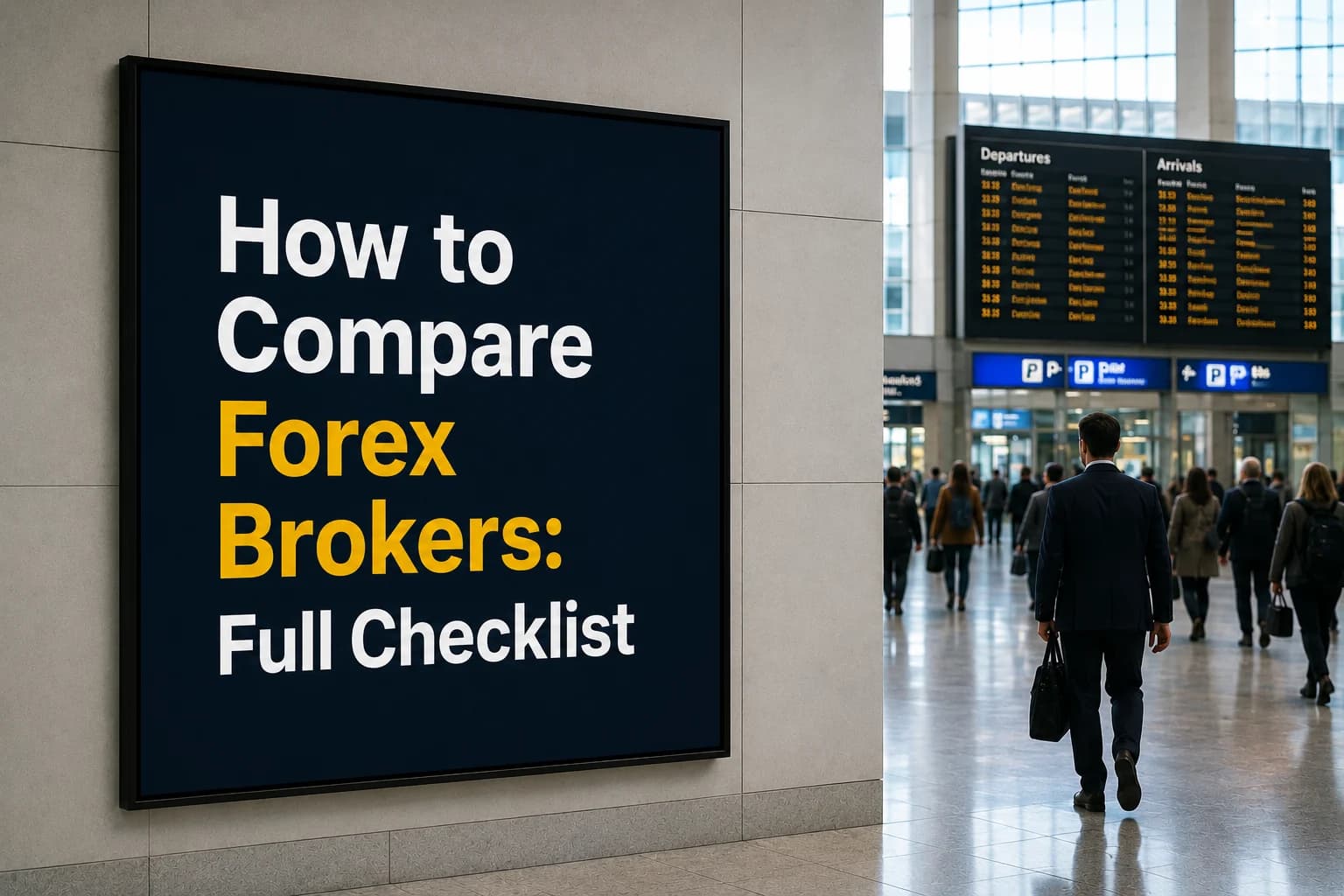
Related Articles: How to Compare Forex Brokers: Full Checklist
Risk Management for Small Account Trading
Managing risk is one of the biggest challenges for traders with smaller accounts. Even small losses can take up a significant part of their capital. Experienced traders are often advised to risk only 1% to 2% of their account per trade. This helps them survive losing streaks and creates chances to recover.
An important consideration in risk management is position sizing. Micro-lots allow traders to control their risk and maintain manageable position sizes, especially when trading in more volatile currency pairs.
Another thing to keep in mind is to avoid using excessive leverage. Although leverage can provide great returns, it can also result in greater losses than would occur without it, making concepts like Negative Balance Protection Explained essential for traders to understand.
Therefore, the responsible use of leverage is critical for long-term success.
Introduction to Technology and Tools for New Traders
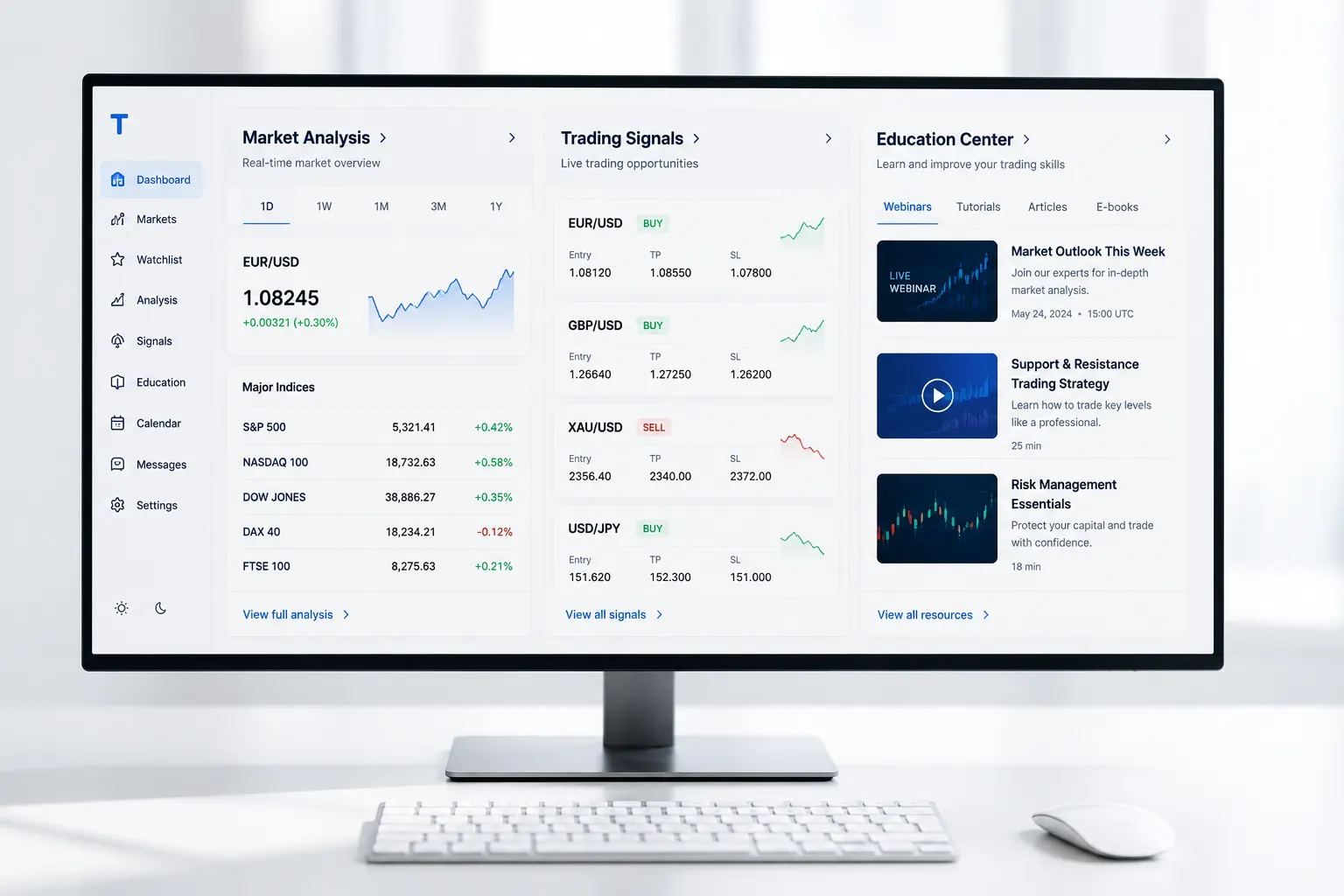
Modern-day brokerage platforms will make available a variety of tools to assist traders in their quest for success (e.g., Online brokerages commonly offer integrated market analysis, trading signal services, and educational materials to help traders build confidence and develop skills).
Additionally, mobile trading platforms allow traders to monitor live markets while trading. Therefore, mobile trading allows individuals to trade more conveniently than ever before, especially for those who do not have time to trade all day due to work or family commitments.
Some brokers also offer copy trading or social trading services. These let traders of all levels emulate or automatically copy a more experienced trader’s actions. Although this can be useful, new traders must consider the risk of relying on copy or social trading before using these products.
Lastly, educational resources will provide valuable assistance to new traders through webinars, tutorial videos, and market analysis reports, helping them understand financial markets.
Common Mistakes Made By Small Account Traders
Many inexperienced traders lose their account balance due to common trading mistakes; in fact, it’s typically not because of a bad broker that they've lost their account.
One of the most common mistakes for inexperienced traders is over-trading; some try to grow their accounts by opening as many positions as possible at once (which often creates more risk per trade and ultimately increases their trading expenses).
Another common mistake is ignoring trading costs. Making many trades over a short period, or trading often with small spreads, can make costs add up.
Impatience often leads to losing trades. To be successful, traders need patience, discipline, and good risk management.
If traders can find a good broker and focus on building a trading strategy aligned with long-term investment goals, they can significantly improve their chances of success.
The Development of Increased Access to Financial Markets
In the last ten years, technological advances have increased global access to financial markets by enabling retail traders to use online brokerage firms with the same high-quality trading platforms as professional organizations.
The reduction in deposit requirements to open an account, the development of sophisticated charting tools, and global access to financial markets have created new options for individuals who want to trade currencies and other financial products.
The increase in competition between brokers has led to improved trading conditions for retail traders and more opportunities to choose from when selecting a broker.
Conclusion
When identifying the best brokers for small-account traders, consider more than just the minimum deposit. Look for brokers that offer micro-lot trading, competitive spreads, and solid educational resources, which is why many traders rely on Wikilix Broker Reviews to compare their options. These features will help you develop your skills while protecting your limited capital.
• The financial services industry has become increasingly accessible over the past few years, enabling individuals with modest capital to invest in international financial markets.
• Ultimately, the best broker for the small-account trader is likely to be one that offers fair trading conditions, reliable technology, and the flexibility to grow at the required pace. By properly managing risk and choosing the right broker, small account traders can gain valuable experience and build a successful career from their investment accounts over an extended period in international financial markets.