
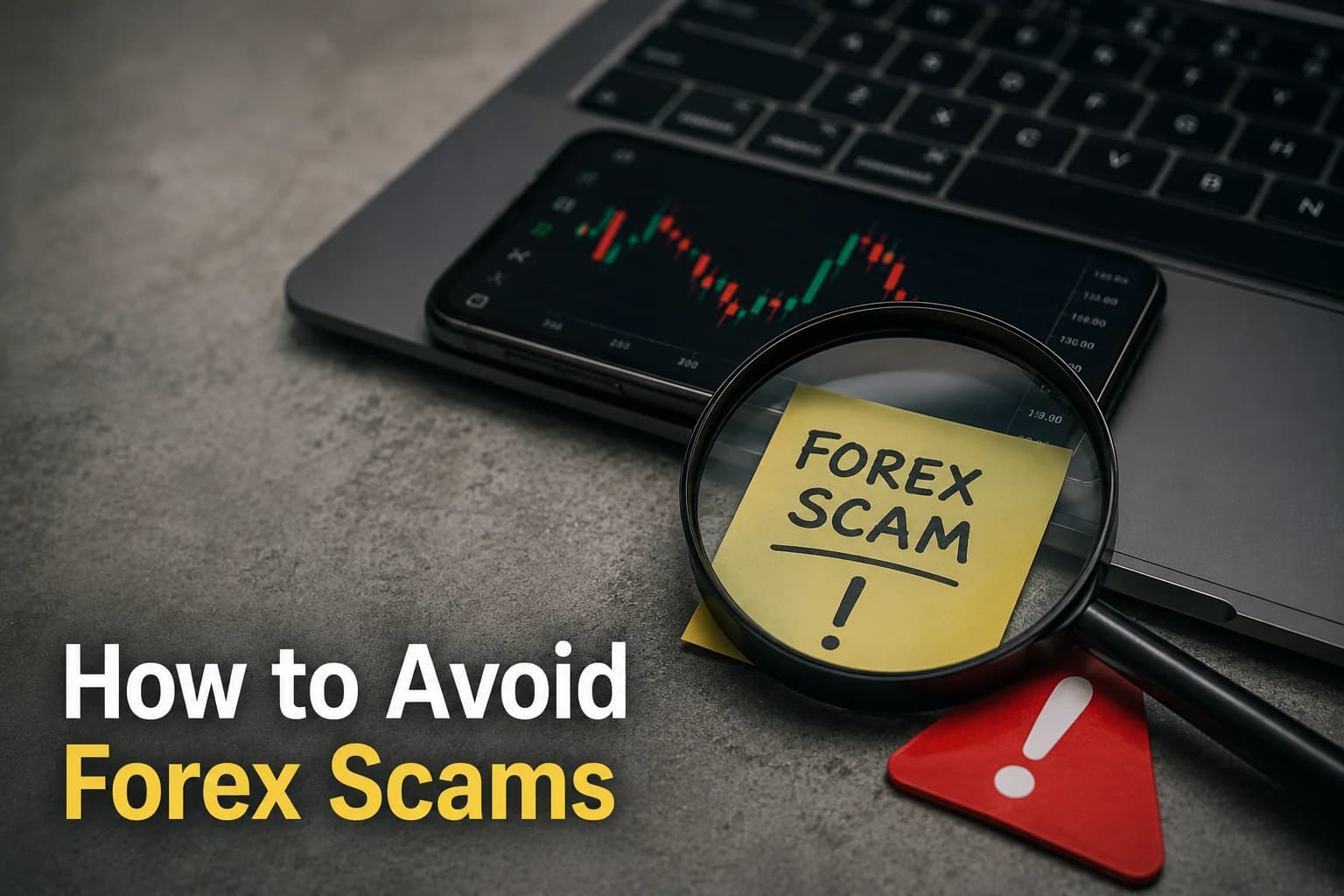
Would you believe someone who promises guaranteed, risk-free profits in the forex market?
Each year, thousands lose money in the forex market—not due to volatility, but by trusting the wrong company, signal provider, or so-called investment “expert.” While the forex market is legitimate and subject to significant regulatory oversight, its global nature and lack of a central location can make it vulnerable to fraud.
Because scams are common, learning how to detect them is vital. This guide outlines the major types of forex scams, explains how they operate, describes early warning signs, and details practical steps to protect yourself from financial loss.
Types of Forex Scams
Several common forex scams exist. By understanding each type, you’ll be better prepared to spot them in practice. These include:
Unregulated Brokers
Unregulated Brokers typically set up professional-looking websites, promise high leverage, and assure quick withdrawals. Their common claim is hassle-free access to funds, but withdrawals are often delayed or declined, revealing the scam.
Signal Sellers
Signal Sellers are individuals or companies offering 'premium signals' and promise a high success rate. They usually lack verified performance records and rely on convincing testimonials or unverifiable past performance.
Managed Accounts
Managed Account scams involve fund managers who claim they will trade on your behalf and guarantee consistent profits. Warning signs include unregulated status and unrealistic assurances of high returns.
Ponzi and Pyramid Schemes
Ponzi and Pyramid Schemes promise returns to early investors using funds from new participants. These schemes depend on recruiting others, creating a false sense of profitability and growth.
Impersonation and Clone Firms
Impersonation and Clone Firms copy the branding and details of legitimate brokers, often using lookalike domain names, as detailed in Clone Broker Scams Explained. They lure victims by appearing almost identical to regulated companies.
All of these scams rely on exploiting the strong emotional appeal of earning easy and fast profits, making people more vulnerable to risky promises.
How to Determine if a Forex Broker is Fraudulent
Initially, fraudulent brokers may appear legitimate. The difference is in the details.
To determine if a forex broker is fraudulent, you should investigate the following:
• Regulatory license number
• Legal name of company
• Physical address of company
• Length of time the firm has been in operation
• Firm’s transparency regarding fees and spreads
Many fake brokers place on their website logos of regulatory agencies that do not give them permission to use their logo and others will display license numbers of unrelated firms.
In addition to the above verification methods, a legitimate regulated forex broker will always have their name in the database of the Regulatory Agency that regulates them.
Related Articles: How to Verify a Broker's License
Fraud Warning Signs in Forex Trading
Most Forex frauds exhibit similar characteristics, which are commonly recognized as Warning Signs of Fake Brokers. For example:
• Guaranteed return promises
• “Completely risk-free” trades
• Forcing you to deposit money immediately
• Bonuses with unreasonable conditions
• Aggressive “cold-calling” or social media advertising
• Delays in the withdrawal process
Investing in financial instruments, Forex included, always involves risks, regardless of what others may claim. Statements minimizing risk could indicate inexperience or a lack of transparency.
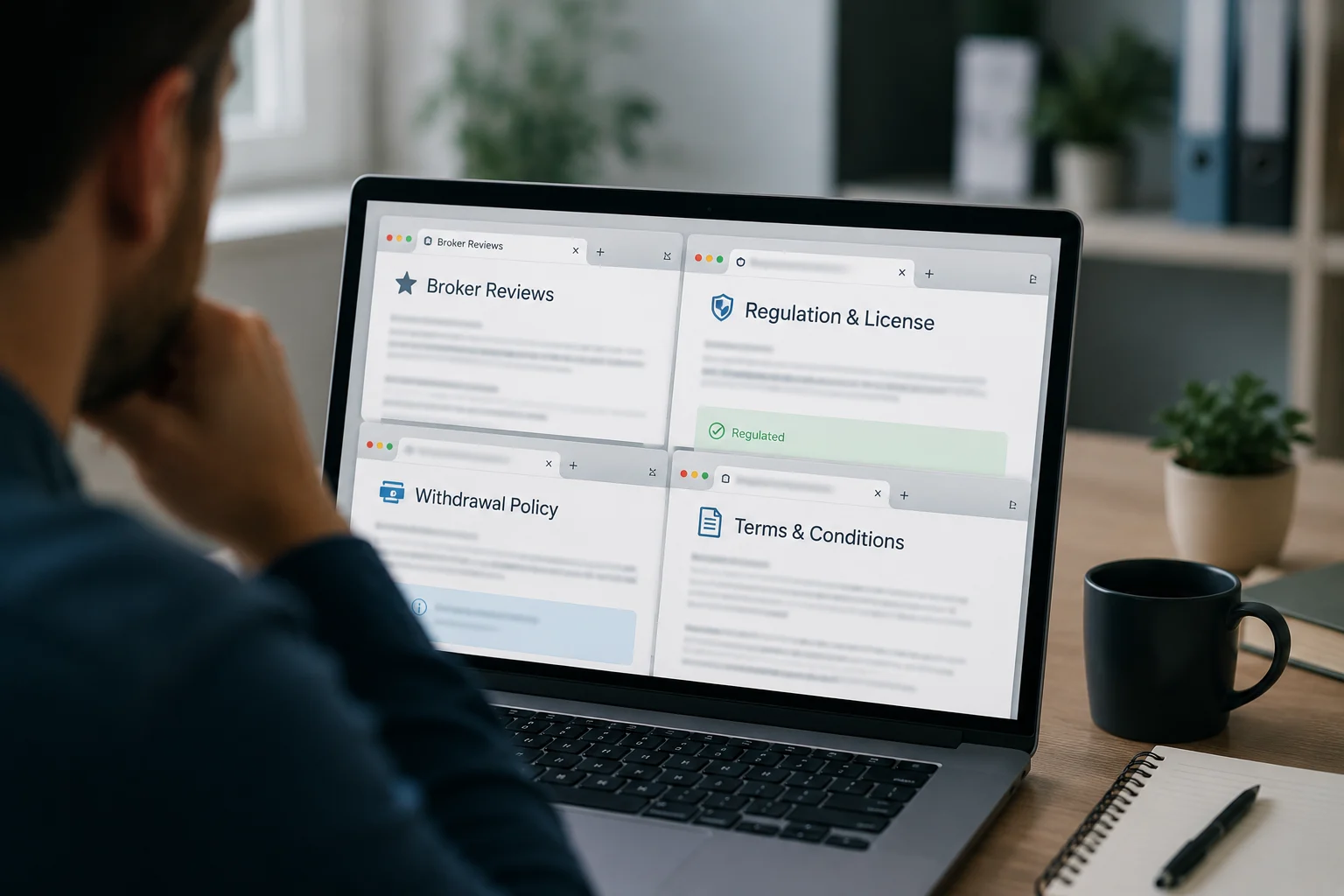
How to Check if Your Forex Broker is Legitimate
You can protect yourself from fraud by verifying your broker's legitimacy. To do this, follow the suggestions below:
Search the regulatory agency’s website to see if your broker is licensed and under what license(s).
Ensure the broker's name matches the company name on the license.
Confirm the broker's status is “Active/Authorized”.
Check for previous disciplinary issues.
Verify that the contact information for the regulatory agency and the broker you are working with matches.
Most reputable regulators require brokers to follow strict compliance rules, maintain minimum capital requirements, and adhere to guidelines on holding client funds in a separate account. Any broker subject to such a rigorous (and ongoing) regulatory environment will likely face regular audits and reporting requirements.
Forex Signal Scams & Managed Accounts
Many signal scams are being promoted via social media/sites, messengers or other electronic media. Signal scams will often:
• Claim you have a 90% -plus win rate
• Advertise extravagant images from the trader’s world travels
• Imply urgency by stating “Limited Seats Available!”
Consequently, many advertised services provide no documented proof of previous results or may present signals that cannot be independently verified. Some providers may use a “demo” trading account to give the appearance of performance.
Managed account scams often share characteristics with signal scams. When individuals offer to manage your account and funds directly, they may solicit your money or request trade authority without appropriate regulatory oversight.
Here’s how to avoid being defrauded in the event you ever find yourself in this situation:
• Confirm whether the individual is licensed to manage investment portfolios.
• Verify that any performance record is independently verified.
• Confirm whether an individual’s prior trading results are validated by an independent third party.
If you are unable to verify any items above, you should view your investment as much more speculative than it was prior to this research.
Ponzi Schemes in the Forex Market
In recent times, Forex trading pools have become a common vehicle for Ponzi schemes.
A common promise made by Ponzi schemes is to provide continual monthly returns regardless of market volatility. In addition, they will pay returns to early investors to maintain trust and expand their deposit base.
Once the inflow of new money declines to the point where current return payments cannot be continued, the Ponzi scheme will collapse. Indicators of Ponzi schemes include:
• Steady ROI with no losing months
• An overly extensive yet vague explanation of the investment strategy
• Providing investors’ recruiting bonuses for bringing new investors into the scheme
All markets experience periods of volatility. If an investment provided consistent returns with no market volatility, the likelihood that such an investment actually exists would be rare.
Red Flags That Indicate a Forex Scam
Below is a simplified comparison between legitimate operations and potential scams:
Indicator | Legitimate Broker | Potential Scam |
Regulation | Verified license in official database | No license or unverifiable claim |
Returns | Market-based, variable | Guaranteed or fixed profits |
Transparency | Clear fees and risk disclosures | Vague terms and hidden conditions |
Withdrawal Process | Clearly explained and timely | Delayed or restricted |
Communication | Professional and regulated channels | Aggressive or informal messaging |
If multiple red flags appear simultaneously, reconsider immediately.
Regulation of Forex Markets for Trader Protection
Regulatory authorities have developed multiple mechanisms to protect traders:
Capital requirements
Rules regarding client fund segregation
Compensation schemes in certain jurisdictions
Continuous reporting and audits
Enforcement actions against regulated firms and publishing of warning lists
Governments cannot always prevent individuals from dealing with unauthorized businesses, so individuals must perform their own due diligence.
Regulatory authorities publish regularly updated public warning lists to help you check whether a firm is operating illegally.
Related Articles: Best Forex Brokers for Asian Traders
Tips to Help You Prevent Being Scammed in Forex
Being wary of forex scams is about taking disciplined action, not being fearful.
Here are some practical tips that can help:
Confirm your broker's regulatory status with an independent source.
Do not believe (or trust) any promises made regarding guaranteed profits.
Use a minimal amount of funds to test the platform before making a larger deposit.
Carefully review online reviews, even if you do not see any negatives; remember, they reflect the opinions of other traders and may not reflect your experience.
Do not invest in companies that accept only crypto deposits; legitimate firms typically offer well-known, secure payment methods instead of restricting you to crypto-only deposits.
Be cautious of unsolicited investment offers made via email or telephone.
Document all communications and interactions with the broker or firm you are trading with
Professional traders equalize their counterparty risk with their market risk in every trade.
What to Do If You’ve Been Scammed in Forex
If, despite your precautions, you suspect you have been scammed in forex trading, take the following immediate actions:
If you suspect you have been the victim of fraud, do the following immediately:
Stop depositing further capital.
Maintain written documentation of all communication.
Speak with your bank or payment processing company for chargeback options.
Contact your local regulator through their website or by telephone to file a report.
File a report with any agency charged with investigating fraud.
You must take timely action to have the best chance at limiting losses.
Related Articles: Broker Terms and Conditions Red Flags
Conclusion
Forex trading offers real opportunities, but it also attracts scams that target inexperienced or uninformed traders. Understanding common fraud types, recognizing warning signs, and verifying a broker’s legitimacy are essential steps in protecting your capital, which is why many traders rely on Your Trusted Broker Resource.
Successful traders manage not only market risk but also counterparty risk. By staying disciplined, skeptical of unrealistic promises, and committed to proper due diligence, you can significantly reduce your chances of financial loss and trade with greater confidence.