

Over the last 10 years, the online trading market has expanded dramatically, creating millions of potential online traders. However, this rapid expansion not only offers authentic opportunities but has also enabled a surge in fraudulent financial activities. One of the most hazardous and deceptive schemes threatening traders today is the clone broker—a scheme known for sophisticated manipulation and considerable financial risk. Vigilance is critical for anyone engaging in online trading.
At first, a clone broker can look trustworthy and real. For example, clone brokers may have a nice website, a name that seems familiar, and appear to have a real license. Clone brokers often copy reputable, regulated brokers so closely that even experienced traders may not realize they are being scammed.
The objective of these frauds is to deceive individuals and trick them into sending funds to a fraudulent broker, creating a significant risk. There is no relationship between the fraudulent and legitimate brokers. Once the user deposits funds, they may discover that withdrawing their money is subject to severe delays, restrictions, or outright denial, leaving them with little recourse.
It is absolutely vital for both novice and experienced traders to urgently understand how clone broker scams operate in order to avoid severe financial losses. This article provides a critical overview of clone-broker scams, explains their deceptive tactics, highlights the most alarming warning signs, and outlines essential steps traders must take to avoid becoming victims.
What Is a Clone Broker Scam?
A clone broker scam is a type of fraud in which scammers copy a real, regulated broker, set up a fake website, and create ads that look identical to the real broker's.
In many instances, the scammers will use the same information as the legitimate broker, including:
• The name of the legitimate brokerage
• License number(s) issued to the legitimate broker by regulatory organizations
• Physical location of the legitimate brokerage
• Branding attributes and the overall design of the legitimate brokerage's website.
Because the information appears to be that of a real brokerage, many traders are misled into believing they are opening an account with a trusted company.
However, the fraudulent website is run solely by scammers. After someone deposits funds with a clone broker, the money is sent to a bank account owned by the fraudster. It is not sent to the legitimate company's account.
Why Clone Broker Scams Are Dangerous
Clone-broker scams pose a significant risk because they use the trusted names of real companies to trick people. Unlike many fake brokers who make up names, clone brokers use the names of real, regulated brokers. This makes them seem more trustworthy and harder to spot. Many people do not realize they have been scammed until they try to get their money back or the broker stops answering calls. By then, it can be very hard for victims to recover their money.
For these reasons, financial regulators regularly issue warnings about clone broker websites.
Related Articles: How Offshore Broker Regulation Works
How Clone Broker Scams Work
Clone broker scams use a typical, methodical approach to get you to trust them. First, the scammers find a regulated real broker and copy their publicly available information. Second, they take the real broker's original logo, create a clone (copy) of it, and use it to build a website just like the original broker's site.
Third, the clone has to advertise to lure people into investing in the fake account. They may use online marketing techniques (such as placing ads on the Internet or other online platforms) or social media, and sometimes even call people on the phone.
They try to convince potential victims to open an account and deposit money, often with promises of high returns or special access to good investment opportunities. Once the victims have deposited funds, the scammers may allow them to withdraw a small amount to try to convince them they are in a good business relationship. Eventually, however, the clone will stop processing any withdrawal requests and will no longer communicate with the victim. At this point, the victim may realize they have been speaking with a scammer rather than the real broker.
Common Warning Signs of Clone Broker Scams
Although clone brokers can appear convincing, several warning signs often reveal the fraud.
Warning Sign | Explanation |
Different website domain | The fake broker uses a domain slightly different from the legitimate company |
Unsolicited contact | Traders receive unexpected calls or messages promoting investment opportunities |
Pressure to deposit quickly | Scammers encourage large deposits within a short time |
Withdrawal problems | Withdrawal requests are delayed or rejected |
Inconsistent contact information | Email addresses or phone numbers differ from the official broker |
Recognizing these warning signs can help traders avoid falling victim to clone broker scams, as highlighted in Warning Signs of Fake Brokers.
Reasons Scammers Target Trading Industry
The trading industry is an attractive target for scammers for several reasons. Online trading enables global digital transactions, giving fraudsters the opportunity to operate from countries with little regulation. Many new traders are excited about entering the financial markets but lack experience in determining the legitimacy of their brokers. The potential for quick profits may be enough to prompt traders to overlook their due diligence.
The trading industry has created a perfect playground for scammers to prey on inexperienced traders.
The Function of Financial Regulators
Although financial regulators are not responsible for completely eliminating clone broker scams, they play an important role in helping protect traders from them. When a regulator discovers a fraudulent website that clones a licensed broker, they will usually publish a warning to alert traders and provide valuable information to help verify a broker's legitimacy. Regulators recommend that traders consult the company's official regulatory database rather than relying solely on information on the broker's website.
Properly regulated brokers reduce risk and enhance transparency in the trading industry.
Ways for Traders to Verify Broker Legitimacy
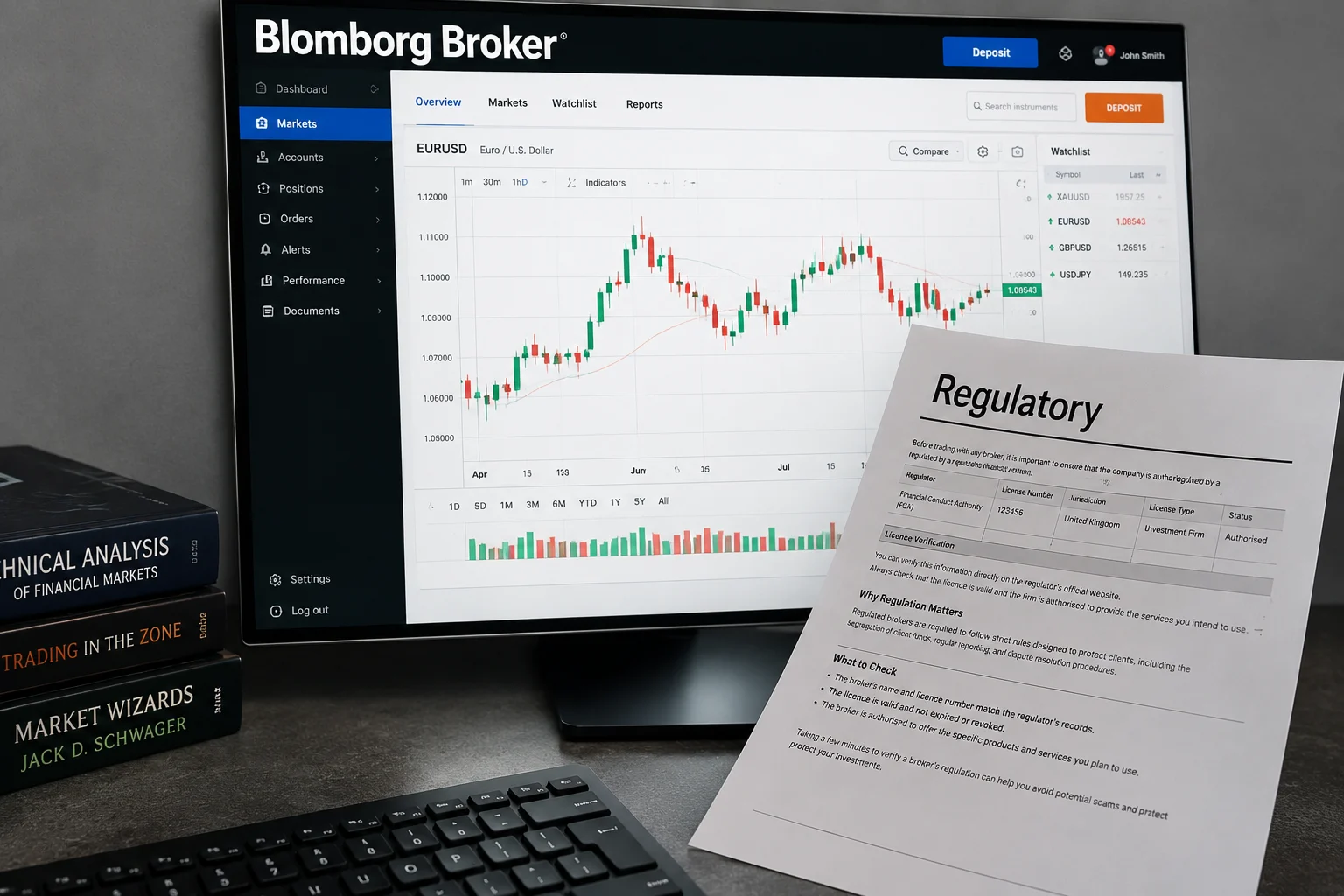
There are several methods traders can use to verify whether a broker is legitimate before opening an account. An important first step is to verify the broker's regulatory license in the official database, as explained in How to Verify a Broker's License. Verification of broker website addresses is critical, as many clone brokers use domain names that closely resemble those of legitimate companies. It is also advisable to check the broker's contact details as listed with the regulator.
Traders should also remain highly cautious when considering unsolicited investment offers and resist pressure from aggressive marketing tactics. Performing appropriate verification checks will significantly reduce the risk of dealing with a fraudulent broker, as discussed in How to Avoid Forex Scams.
What To Do When You Suspect a Clone Broker
If you believe you are being scammed by a clone broker, it is important to act immediately. The first thing you should do is stop sending money and keep any correspondence you have with the broker, such as emails, transaction receipts, and screenshots of their website. You should also report the situation to your local financial regulatory authority and law enforcement.
Regulatory authorities track fraudulent activity (including scams), and they often will provide information to help warn people of fraud and to assist you in the investigation process. While recovering your money can be extremely difficult, reporting the scam may assist someone else from being scammed.
Related Articles: How Regulators Protect Forex Traders
The Role of Education in Preventing Scams
Education is a key factor in preventing financial fraud. Traders who understand how scams operate are significantly more likely to notice something suspicious before it becomes a serious issue. Traders should also consider how brokers are regulated, which financial licenses are required to operate as a broker, and the different tactics used to commit fraud.
There are many online sources to help traders learn about different brokers' operations. Examples of these sources include websites that provide broker reviews, websites that are operated by regulatory authorities, and other independent sources of information. Awareness is one of the best defenses against online trading scams.
In Conclusion
Understanding Clone Broker Scams Explained is critical for anyone involved in online trading. Clone Brokers Will Pretend to Represent a Real Regulated Company When They Are Really Trying to Scare You to Deposit Money into a Site That is Not Legit. It is extremely hard to tell if you are going to be scammed because most of these scams use real company information, so the only way to find out is to verify your broker.
Awareness of how these scams operate and the signs that usually indicate something is suspicious will help you reduce your chances of becoming a victim, as often highlighted in Wikilix Broker Reviews.
Note: Verifying that your broker is licensed to operate, checking that the domain name of their website is legitimate, and avoiding unsolicited investment requests are easy ways to protect your capital. As more and more people become involved in online trading, being aware and doing proper due diligence will always be necessary to ensure you trade safely.