
Are you fortunate enough or hesitant to have discovered a broker that promises risk-free profits? Scam brokers take advantage of unsuspecting customers by producing false opportunities and creating a sense of urgency and excitement. It is easy to get drawn into slick, glossy websites and attractive bonuses, and sometimes they look so similar to an authentic trading platform that people end up trusting them.
Sadly, the real story or purpose of many of these brokers could be much darker: they are unregulated, have no market access, and have no intention of returning your funds.
To protect yourself, learn how to spot scam brokers. This article will show you common red flags of fraudulent brokers and explain how these schemes can impact you. You will also learn how to safeguard your money before falling victim.
How to Spot a Fake Forex Broker Before You Deposit
The first rule of online trading is to never believe anything you see.
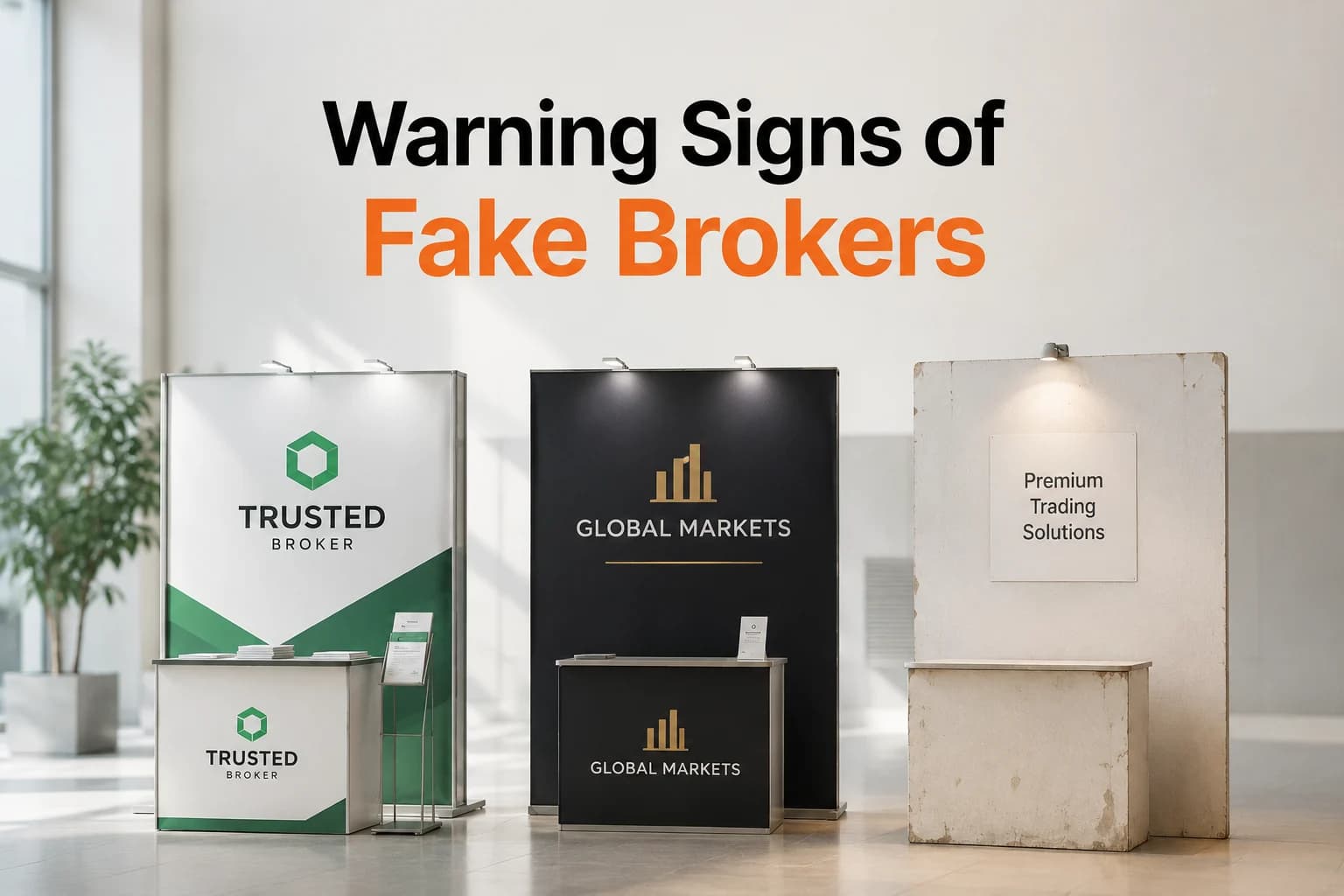
Most fraudulent brokers invest large sums in advertising, website development, and marketing schemes. They may even display regulatory logos or claim to be regulated to appear trustworthy. However, being legitimate does not necessarily guarantee that you will receive “legitimate returns". To avoid depositing your money into a fake Forex broker, check the following items first:
• Brokerage legal name
• Brokerage license number
• Who is the regulatory entity for this brokerage
• Brokerage physical address
• Withdrawal terms and conditions
If you find any missing or unclear information, stop immediately and do not deposit any money.
How to Spot a Forex Scam: Key Red Flags Explained
Scam methods evolve, but some red flags remain. Beware if any of these are true: fixed or guaranteed returns, high-pressure tactics pushing you to deposit now, limited-time offers with huge bonuses, refusal to share regulatory info, persistent sales pressure after you deposit, or long, unjustified delays when withdrawing funds.
All legitimate brokerages acknowledge that there is a level of risk involved in trading financial markets, and, as such, a broker should NEVER advertise themselves as risk-free or guarantee any level of return.
What To Look For To Determine If A Broker Is Legitimate
Protect yourself by doing your own research before choosing a forex broker. Confirm their legitimacy first.
Legitimate brokers will:
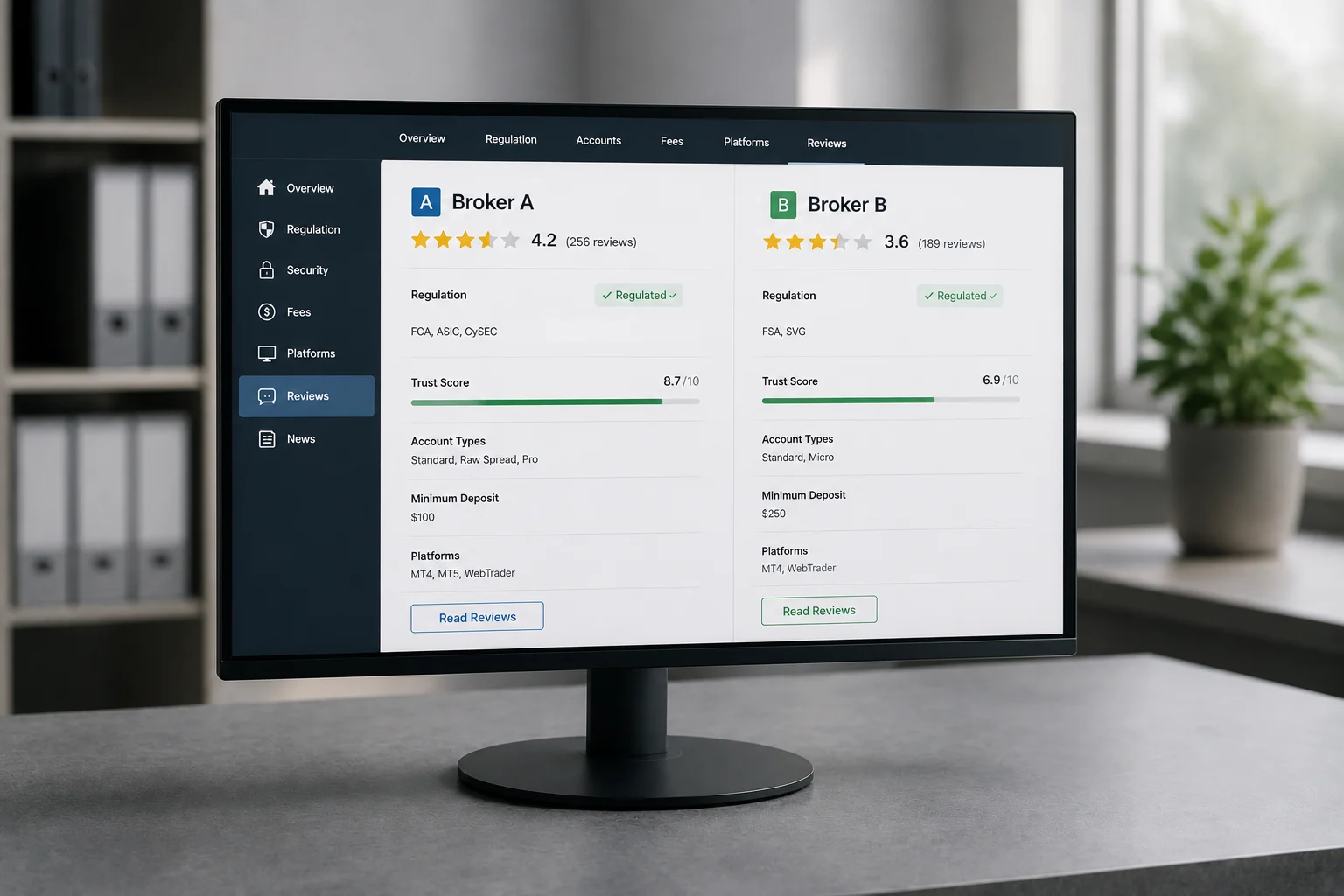
• Have a record in a respected regulatory database
• Provide clients with the legal entity name of the broker maintaining their money
• Provide detailed descriptions of the fees they charge their clients
• Hold customers' and corporate funds in segregated accounts
• Provide customers with verifiable and consistent contact information.
If the broker tells you that they are regulated, verify that independently through the regulator’s website and not by following any link provided by the broker’s website, following best practices from How to Verify a Broker's License.
Common Tactics Used By Scam Brokers
Fraudulent brokers tend to rely more on psychological “triggers” to manipulate individuals into making deposits than on actual financial ability.
Listed below are four examples of common tactics used to entice victims by scam brokers:
Social Proof Manipulation
Fraudulent brokers will use edited testimonials to promise trading results. Fraudulent brokers will use edited testimonials, promise trading results, and/or compensate marketers to create false evidence to mislead individuals into entering into a fraudulent situation. " Count Manager”) will attempt to persuade you to make large deposits to maximize your profits.
Trading Platform Manipulation
Some brokers use technology to show virtual profits, but won’t let you withdraw them.
Bonus Traps
Broker bonuses are often tied to volume trading requirements (which are impossible to meet) in order for you to qualify for a bonus. Therefore, you will be trapped in trading with the fraudulent broker.
These brokers aim to profit quickly from your investment and avoid lasting relationships.
Indicators of an Unregulated Trading Platform
An unregulated broker does not always mean immediate fraud. However, the risk is higher.
Warning signs include: Registration in loosely regulated offshore areas; No verifiable license number on their site; Using generic business certificates as proof of regulation; No independent audits or compliance disclosure.
While regulations do not eliminate risk, they do provide you with legal recourse and oversight.
Withdrawal Problems & Other Broker Warning Signs
If you have difficulty withdrawing funds, this is a key sign of a fraudulent broker.
Fraudulent brokers frequently try to delay withdrawal requests using various tactics, which can signal risk.
• Exorbitantly requiring additional deposits in order to “unlock” withdrawals;
They may charge new domestic or foreign taxes you never knew about to stop you from withdrawing funds. Claiming technical issues prevent withdrawal processing. sing;
Freezing your account for vague compliance reasons.
If a legitimate broker has a structured, transparent policy for withdrawals, any complications encountered when you request a refund are a red flag.
Clone Firms & Impersonation Scams
Some scammers use a sophisticated tactic: cloning existing companies, a method fully detailed in Clone Broker Scams Explained.
Scammers copy a real firm's name, registration, and address. They make a nearly identical website and domain to trick investors.
To spot a clone firm: Check that the domain on the regulator's site matches the broker's website. Confirm the contact information is the same. Look for warnings issued by regulatory authorities against the firm.
Even experienced traders can fall victim to cloned identities.
Legitimate Broker vs Fake Broker: Key Differences
Indicator | Legitimate Broker | Fake Broker |
Regulation | Verified in official database | Unverified or false claim |
Returns | Variable, market-based | Guaranteed or fixed |
Withdrawal Process | Clear and structured | Complicated or blocked |
Transparency | Full legal disclosure | Vague or incomplete details |
Communication | Professional and regulated | Aggressive and persistent |
If multiple red flags appear at once, reconsider immediately.
Related Articles: What Happens If a Broker Goes Bankrupt?
How Regulators Fight Fake Brokers
All financial regulatory authorities across the globe currently have warnings and enforcement notices against fake brokers/firms on their respective Fin. Regulatory compliance sites. With high volumes of false marketing communications going out each day, here are some ways regulators are actively tackling these fraudulent brokers:
• They maintain public warning lists for consumers
• Issue cease-and-desist orders for the brokers
• They impose financial penalties on fraudulent brokers
• They are working together on an international level to identify and trace these international scams
However, regulators cannot stop all scams, as many of these fake brokers operate outside jurisdictions where regulators have no enforcement authority or effectiveness. Therefore, performing your own due diligence to research and verify a broker's bona fides is essential.
Practical Steps to Protect Yourself
To help prevent falling victim to a fraudulent broker, strategic risk management is required, along with a clear understanding of How to Avoid Forex Scams.
Always independently verify a broker’s regulatory status.
When testing a new broker, start with small initial deposits.
Do not accept unsolicited investment offers (a broker never called you to ask you to invest).
Skeptical of performance promises that are too good to be true.
Utilize reputable payment methods (Visa, Mastercard, etc.) for deposits instead of using only a cryptocurrency.
Make sure you thoroughly document all of your communications and agreements with the broker.
Research the broker’s disciplinary record with the appropriate financial regulatory agency.
Counterparty risk can be just as much of a threat as market volatility, according to many professional traders.
What To Do If You've Been Scammed
If you feel that you are being treated fraudulently by the broker:
• Stop depositing any funds immediately.
• Attempt to withdraw your remaining balances.
• Contact your bank or payment provider immediately regarding chargebacks.
• Report this case to the appropriate finance regulating agency where you live.
• Report to your Committee on Consumer Protection if you are located in the US.
Taking action immediately will increase your ability to limit the amount of financial damage you may incur.
Conclusion
Being aware of and recognizing the signs of fraudulent brokers is not about instilling fear; it is about becoming financially educated, a principle often emphasized across Wikilix Broker Reviews.
The online trading industry has many legitimate, compliant brokers; however, there are also unethical ones that target inexperience and unrealistic expectations.
You can significantly reduce your exposure to fraud by verifying licenses, questioning guarantees, recognizing common scam tactics, and applying disciplined due diligence.
The most important rule in trading is capital preservation—and choosing a reliable, fraud-free broker is the first step. Always verify, never rush to open an account, and if something sounds too good to be true, it probably is.