

Articles
Explore in-depth articles, guides, and educational content to enhance your trading knowledge.
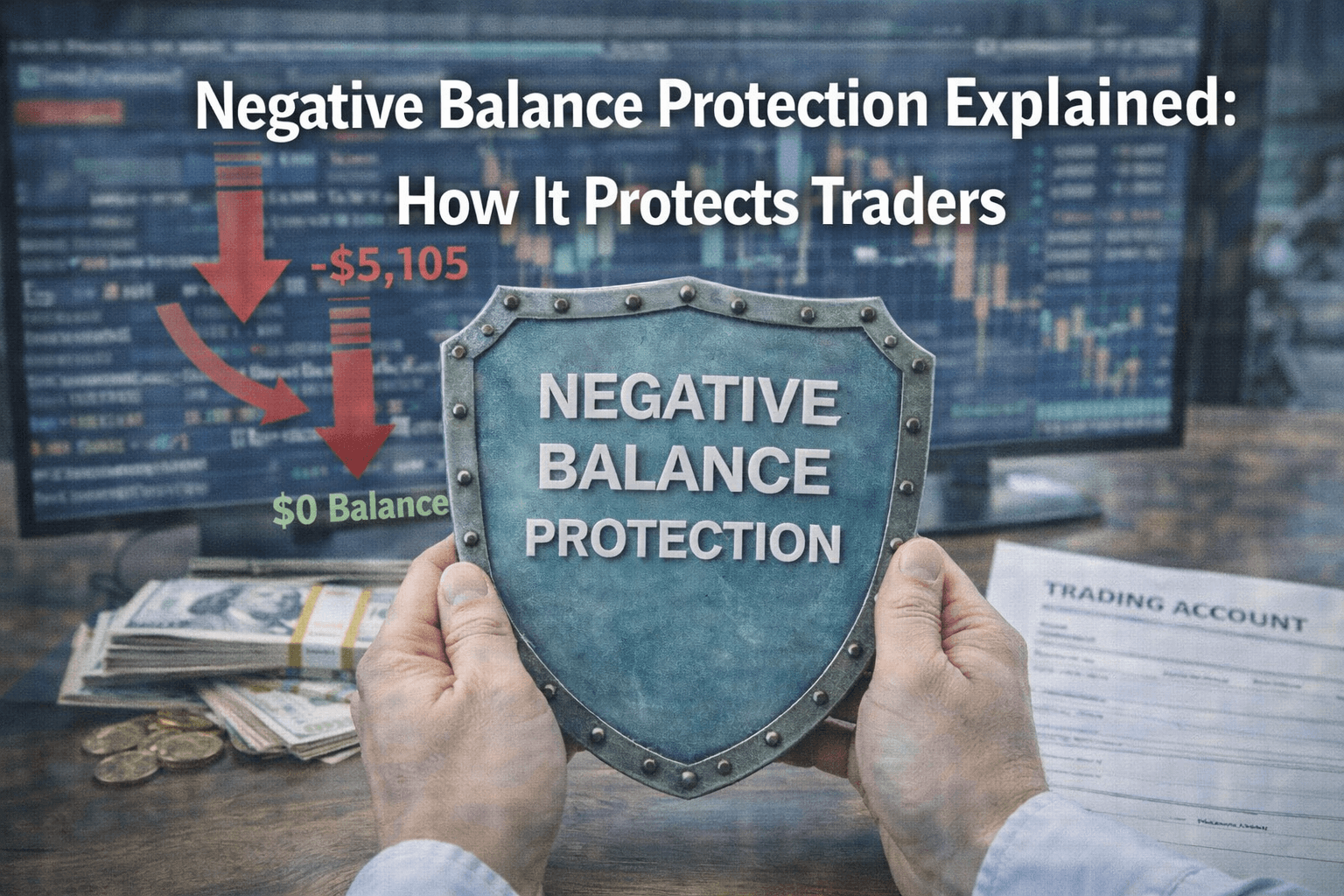
Negative Balance Protection Explained: How It Protects Traders
Negative Balance Protection (NBP) ensures that traders cannot lose more than their initial deposit, even during extreme market volatility. It acts as a safety net when margin systems fail, but it does not replace proper risk management or prevent losing your full balance. Traders should verify if their broker offers NBP and use it as a last layer of protection, not as a trading strategy.
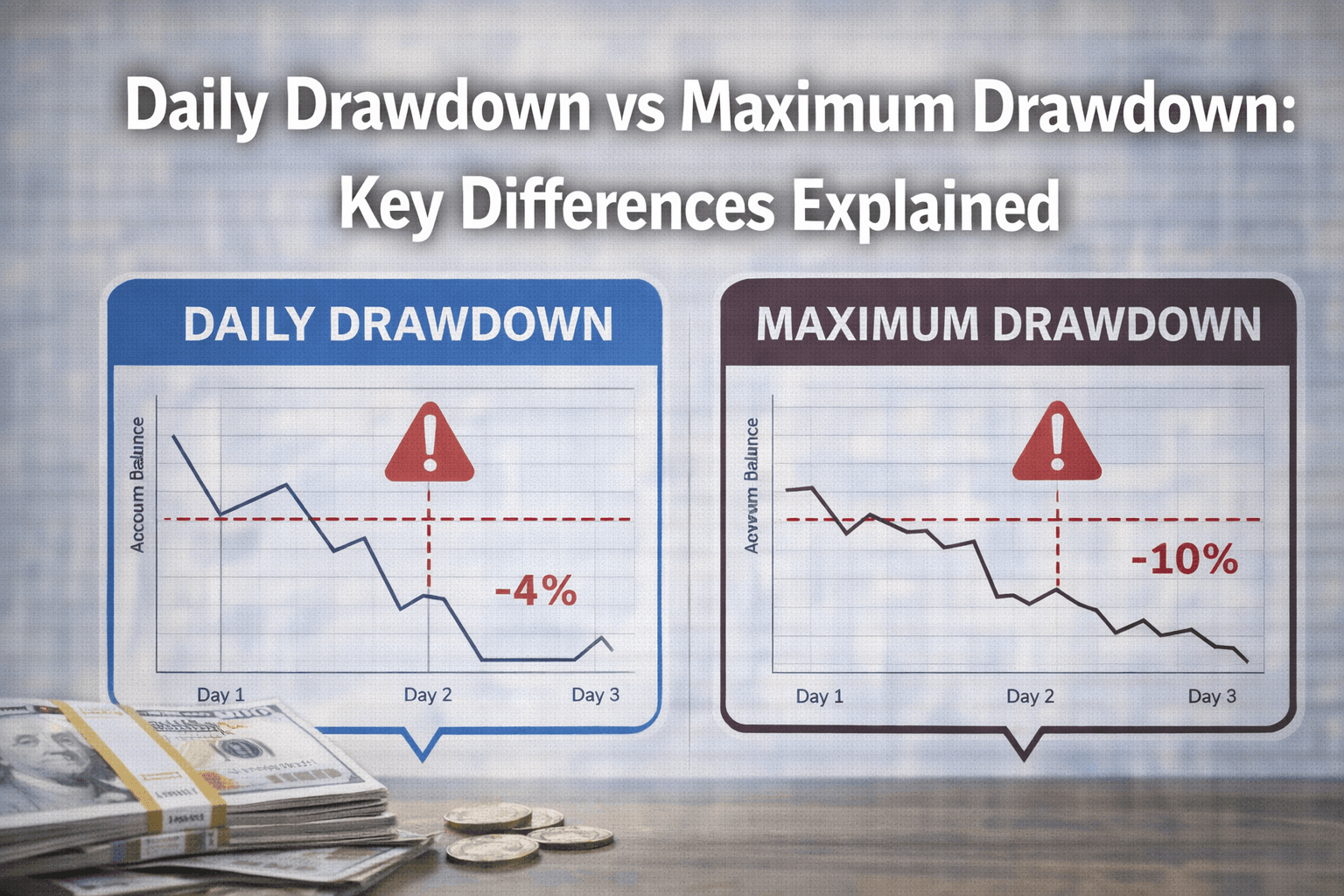
Daily Drawdown vs Maximum Drawdown: Key Differences Explained
Daily drawdown limits how much you can lose in a single day, while maximum drawdown controls your total loss over the life of your account. These rules are designed to enforce discipline, prevent emotional trading, and protect your capital from both short-term and long-term losses. Successful traders focus on strict risk management and consistency, using drawdown limits as a key tool for long-term survival in prop trading.
How Prop Trading Firms Make Money (Business Model Explained)
Prop firms make money mainly through evaluation fees, profit sharing, and trading-related costs like spreads and commissions. Most revenue comes from traders paying to join challenges, while only a small percentage pass and receive payouts. Understanding this model helps traders see why rules are strict and why discipline and risk management are essential for success.
What Is a Margin Call? Explained with Examples
A margin call happens when your account equity falls below required levels, forcing you to add funds or face automatic liquidation. Understanding margin, leverage, and key metrics like margin level is essential to avoid unexpected losses in forex trading. With proper risk management, lower leverage, and disciplined trading, margin calls can be minimized and turned into a protective safety mechanism.
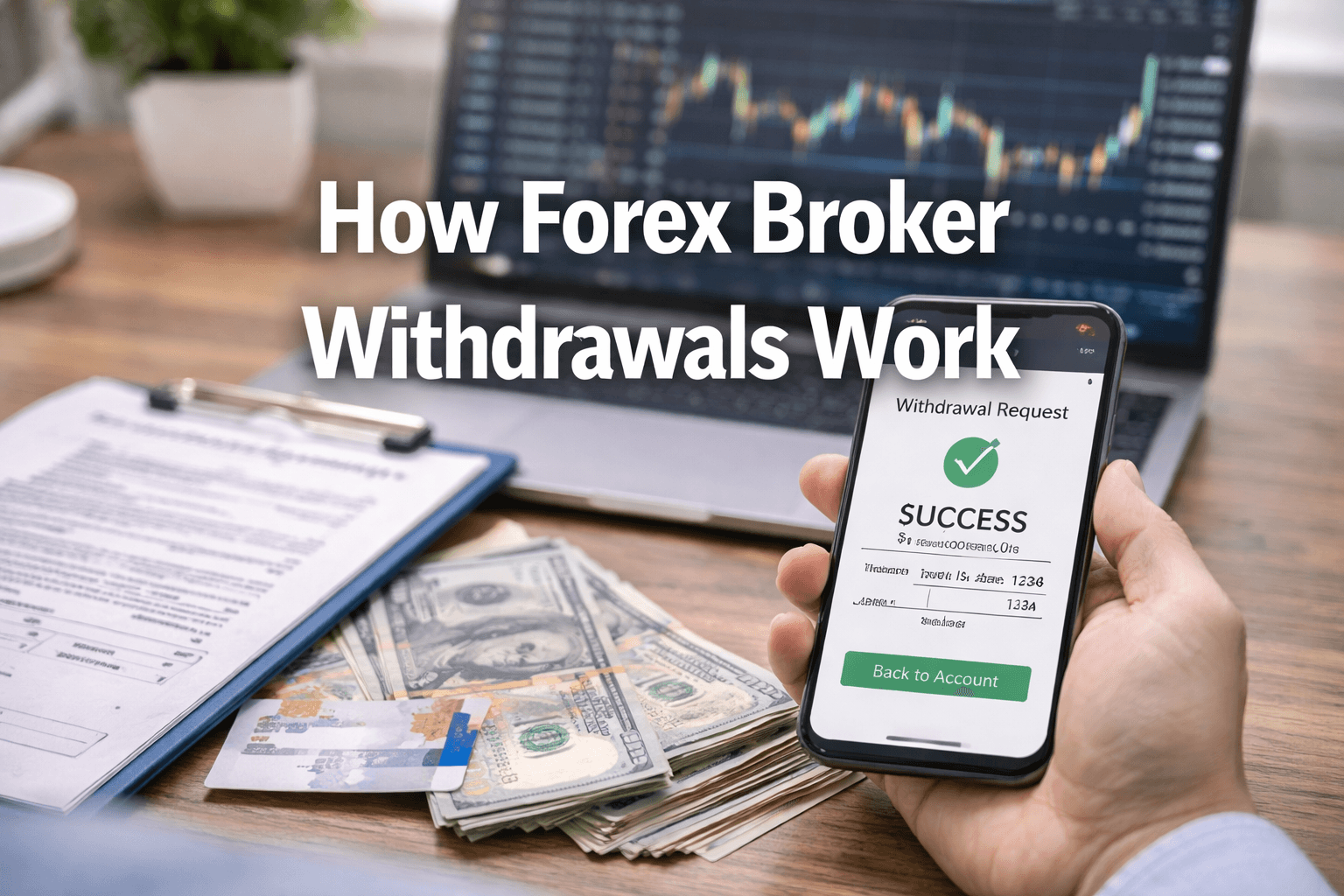
How Forex Broker Withdrawals Work
Withdraw your trading profits with confidence by understanding how forex withdrawals really work—no surprises, no confusion. From KYC verification to payment methods and processing times, knowing the system helps you avoid delays and hidden fees. Trade like a professional by turning withdrawals into a smooth, predictable part of your strategy.
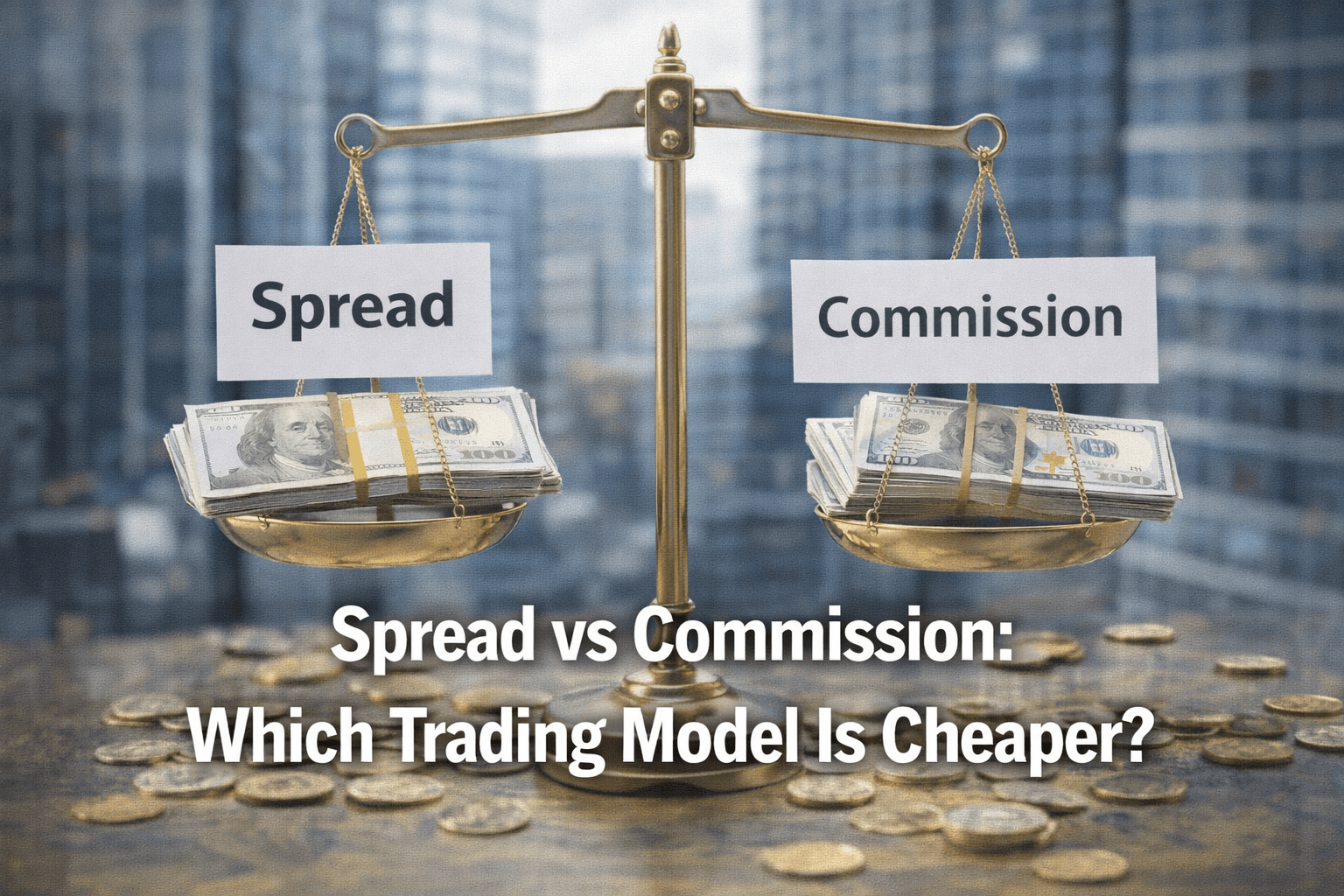
Spread vs Commission: Which Trading Model Is Cheaper?
If you don’t understand how your broker charges, you could lose profits without even realizing it. The difference between spread and commission pricing means you must calculate the true cost of every trade—not just what you see on the surface. Ultimately, the best option depends on your trading style: active traders often benefit from commissions, while long-term traders prefer the simplicity of spreads.
How Offshore Forex Regulation Really Works
Offshore broker regulation offers flexibility and global access, but comes with varying levels of oversight and investor protection compared to Tier-1 regulators. While offshore brokers can be legal and useful—especially for higher leverage and fewer restrictions—they require careful evaluation and due diligence. In 2026, offshore regulation is evolving, making it essential for traders to assess risk, transparency, and licensing before choosing a broker.
What Is an ECN Broker? Full Beginner Guide
An ECN broker connects traders directly to multiple liquidity providers, offering transparent pricing, tight spreads, and fast market execution. Unlike market maker brokers, ECN brokers earn through commissions rather than trading against clients, reducing potential conflicts of interest. This trading model is widely preferred by professional traders, scalpers, and algorithmic strategies seeking deeper liquidity and more accurate market pricing.
Best Instant Funding Prop Firms in 2026
Instant funding prop firms allow traders to access funded trading accounts immediately without passing traditional evaluation challenges. These firms provide fast capital access, structured risk rules, and scaling opportunities, making them attractive for experienced traders seeking quicker market exposure. However, choosing a reliable instant funding prop firm requires careful attention to risk limits, payout structures, transparency, and long-term sustainability.
Best Prop Trading Firms for Beginners
Prop trading firms allow beginner traders to access large trading capital without risking significant personal funds. By passing an evaluation challenge, traders can receive funded accounts and share profits with the firm. However, choosing the right prop firm requires understanding evaluation rules, payout structures, and maintaining strong risk management discipline.
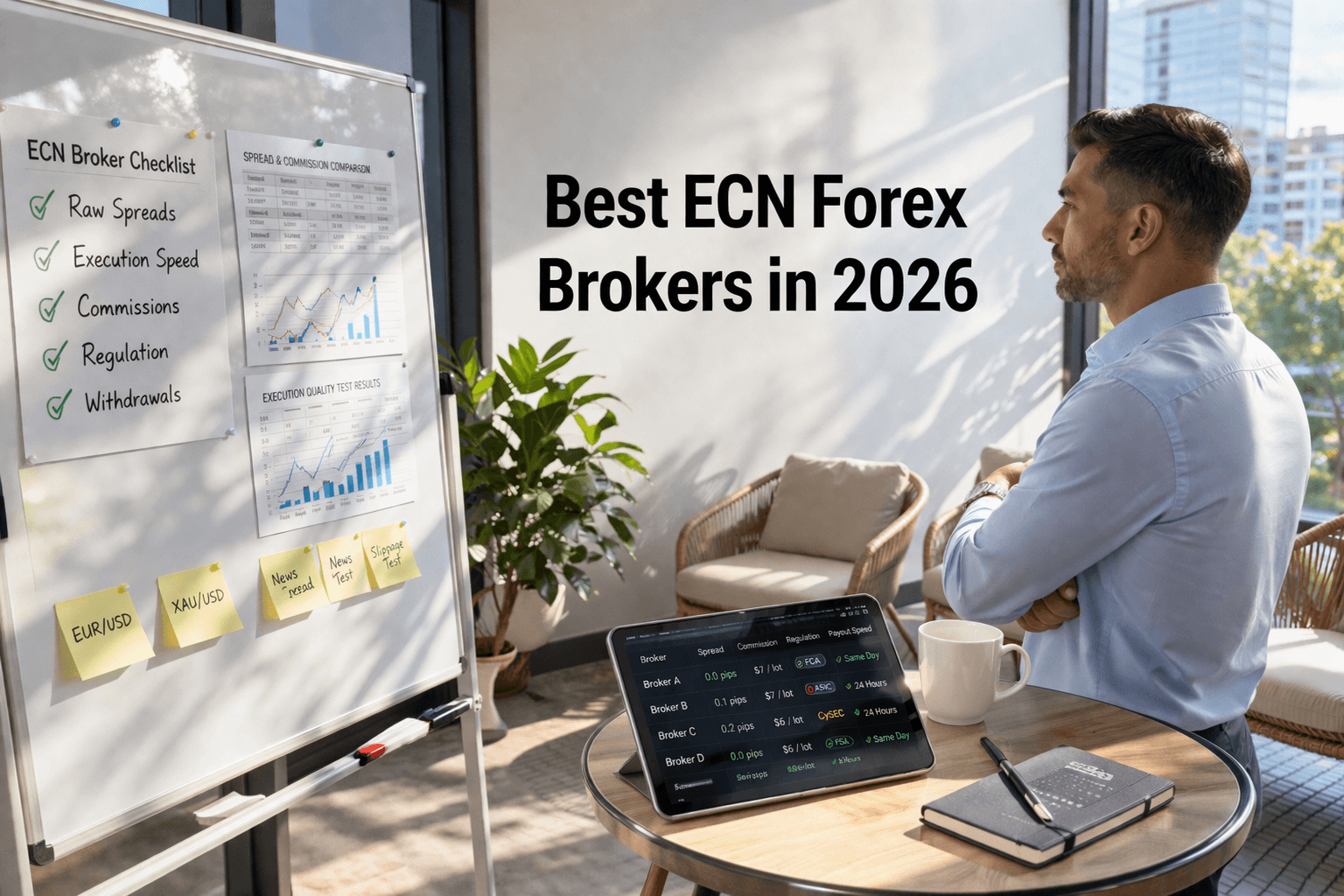
Best ECN Forex Brokers in 2026
Choosing the right ECN broker is important for active traders because execution speed, raw spreads, and transparent commissions directly affect trading performance. True ECN brokers provide market-based pricing, variable spreads, and both positive and negative slippage instead of artificial fixed spreads. Before funding an account, traders should compare total trading costs, test execution quality, and verify the broker’s regulation and withdrawal reliability.
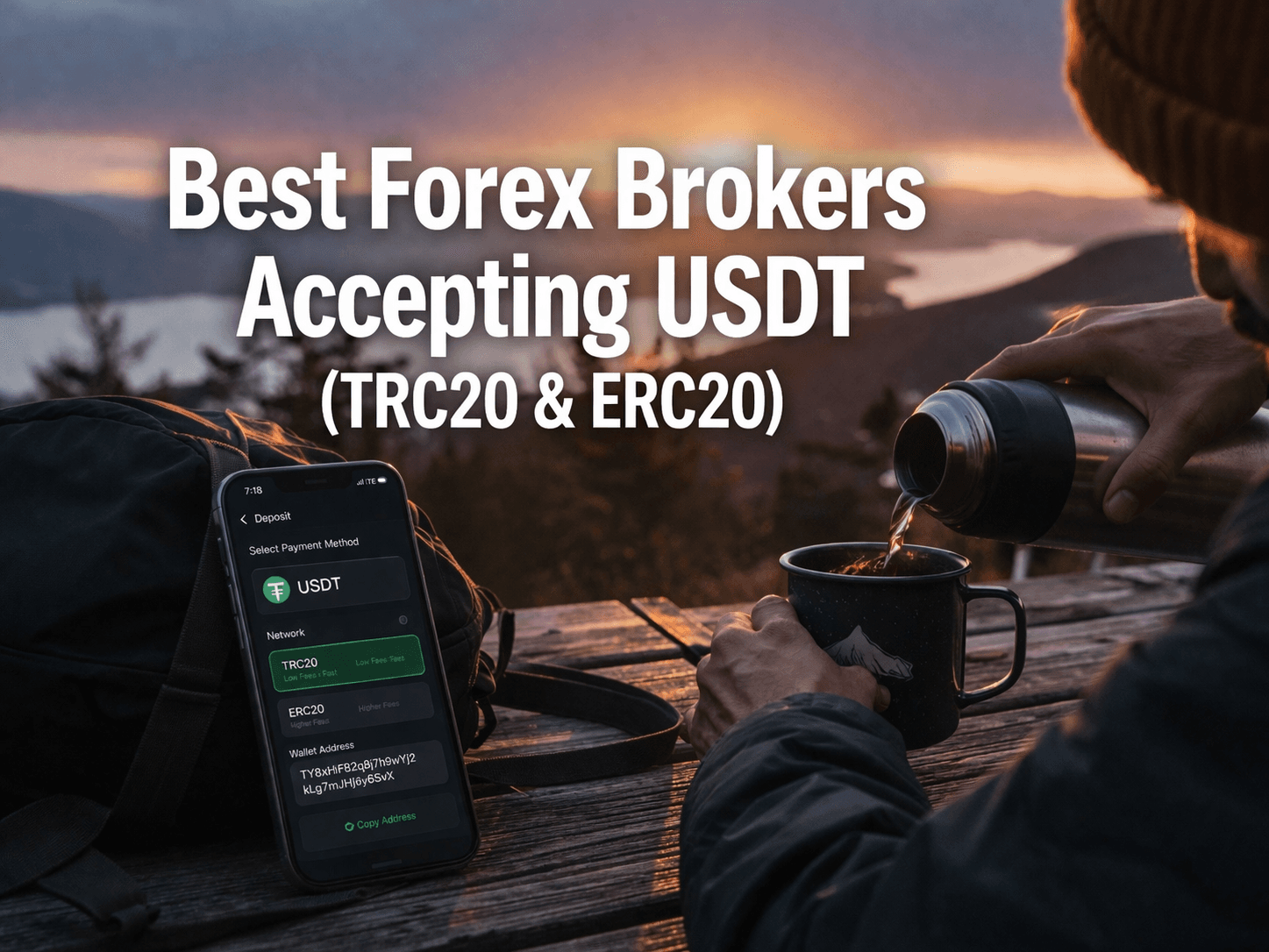
Best Forex Brokers Accepting USDT (TRC20 & ERC20)
Using USDT to fund forex trading accounts has become popular because it offers faster transactions, lower fees, and global accessibility. The two main networks, TRC20 and ERC20, differ in cost and speed, with TRC20 usually being cheaper and faster. However, traders should always verify the broker’s regulation, withdrawal policies, and wallet addresses before depositing funds.