

Articles
Explore in-depth articles, guides, and educational content to enhance your trading knowledge.
Best Low Commission Forex Brokers (Raw Spread Accounts)
Low-commission brokers can significantly improve long-term trading performance, especially for active traders, by reducing overall trading costs. However, traders must also consider spreads, execution speed, platform quality, and regulation—not just commissions. The best low-cost broker is one that offers transparent pricing, reliable execution, and a well-regulated environment.
Best Brokers for Nasdaq 100 (US100) Trading
Nasdaq trading attracts traders due to its high volatility and strong link to the tech sector, offering both short-term and long-term opportunities. However, success depends not only on market direction but also on choosing the right broker, as factors like execution speed, spreads, and platform reliability directly impact performance. Traders should focus on low costs, fast execution, strong platforms, and proper risk management to trade Nasdaq efficiently.

Best Forex Brokers for Small Account Traders ($100 Minimum Deposit)
Start trading with a small budget. Discover the best brokers that allow $100 deposits, low lot sizes, and flexible trading conditions.
What Happens If Your Forex Broker Goes Bankrupt?
If a broker goes bankrupt, whether you recover your money depends on regulation, fund segregation, and investor protection schemes. Regulators typically freeze accounts, close positions, and manage the recovery process, which can take weeks to months. Choosing a well-regulated broker, understanding protections, and managing counterparty risk are key to safeguarding your funds.
Warning Signs of Fake Forex Brokers You Must Know
Fake brokers often lure traders with guaranteed profits, aggressive marketing, and professional-looking platforms, but hide a lack of regulation and real market access. Key warning signs include missing license details, pressure to deposit, unclear withdrawal policies, and delays or restrictions when trying to withdraw funds. Protect yourself by verifying regulation independently, avoiding unrealistic promises, and always prioritizing due diligence before depositing money.
How to Avoid Forex Scams in 2026 (Complete Safety Guide)
Forex scams often rely on promises of guaranteed profits, fake brokers, or unverified signal services that exploit traders’ emotions. To stay safe, always verify a broker’s license through official regulators, check transparency, and watch for red flags like pressure to deposit or withdrawal delays. Strong due diligence, cautious investing, and awareness are the key defenses to protect your capital from fraud.
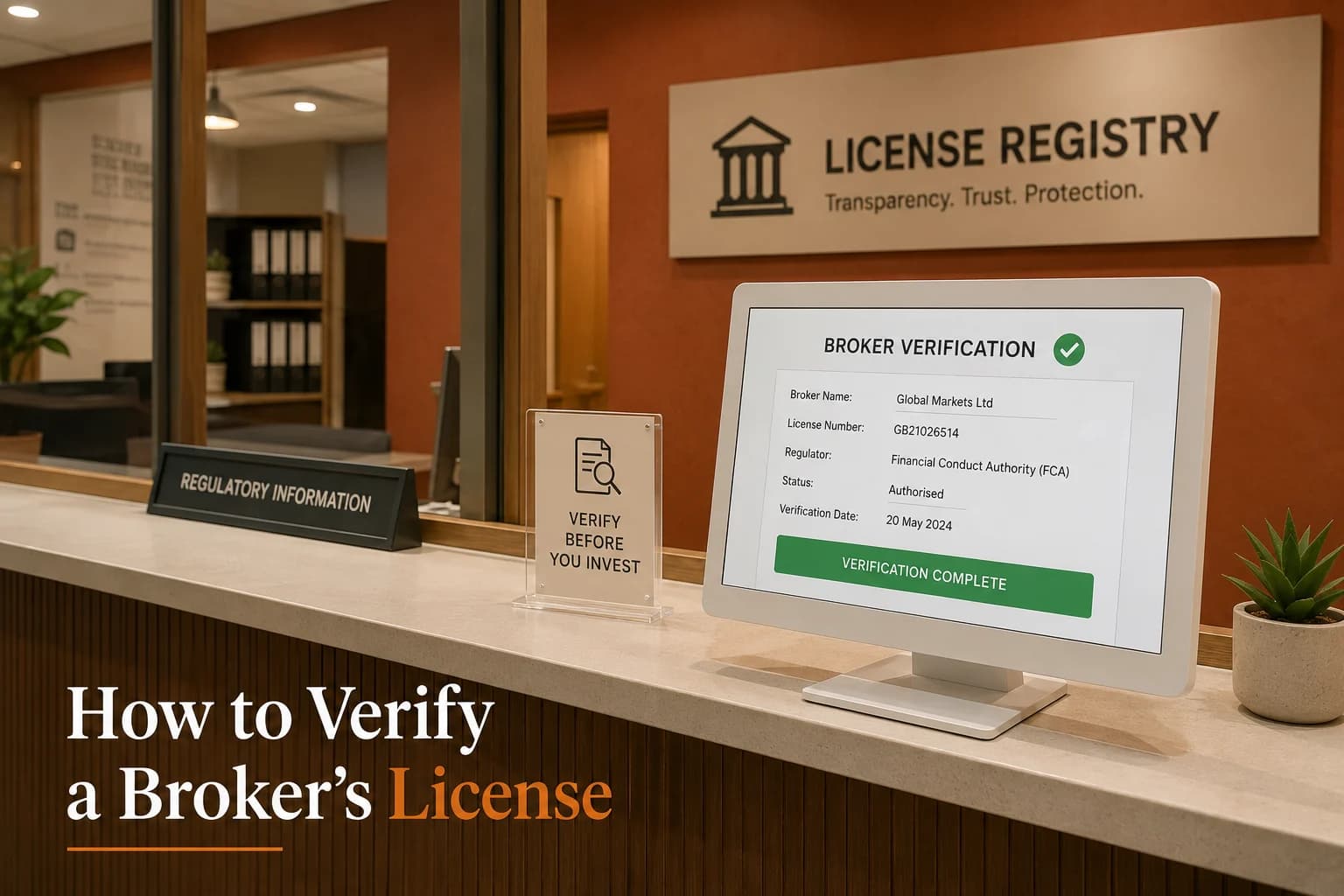
How to Verify a Forex Broker’s License (Step-by-Step Guide)
Verifying a broker’s license is essential to protect your capital, as fake claims, cloned firms, and misleading information are common in the industry. Always check the broker’s legal name, license number, and regulatory status directly on the official regulator’s database—not just on the broker’s website. A proper verification process, along with understanding regulatory tiers and warning signs, helps you avoid fraud and choose a trustworthy broker.
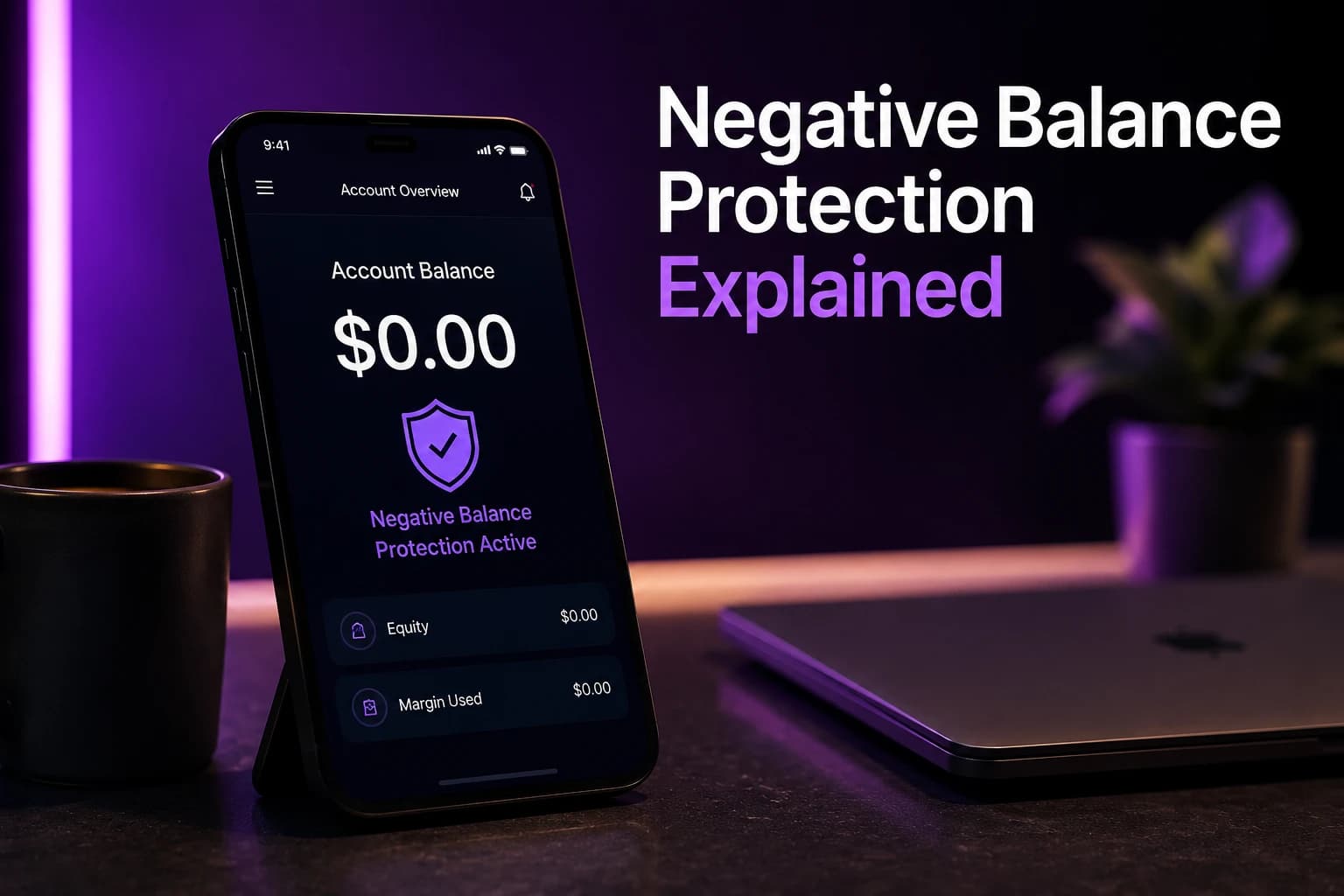
Negative Balance Protection Explained: How It Protects Traders
Negative Balance Protection (NBP) ensures that traders cannot lose more than their initial deposit, even during extreme market volatility. It acts as a safety net when margin systems fail, but it does not replace proper risk management or prevent losing your full balance. Traders should verify if their broker offers NBP and use it as a last layer of protection, not as a trading strategy.
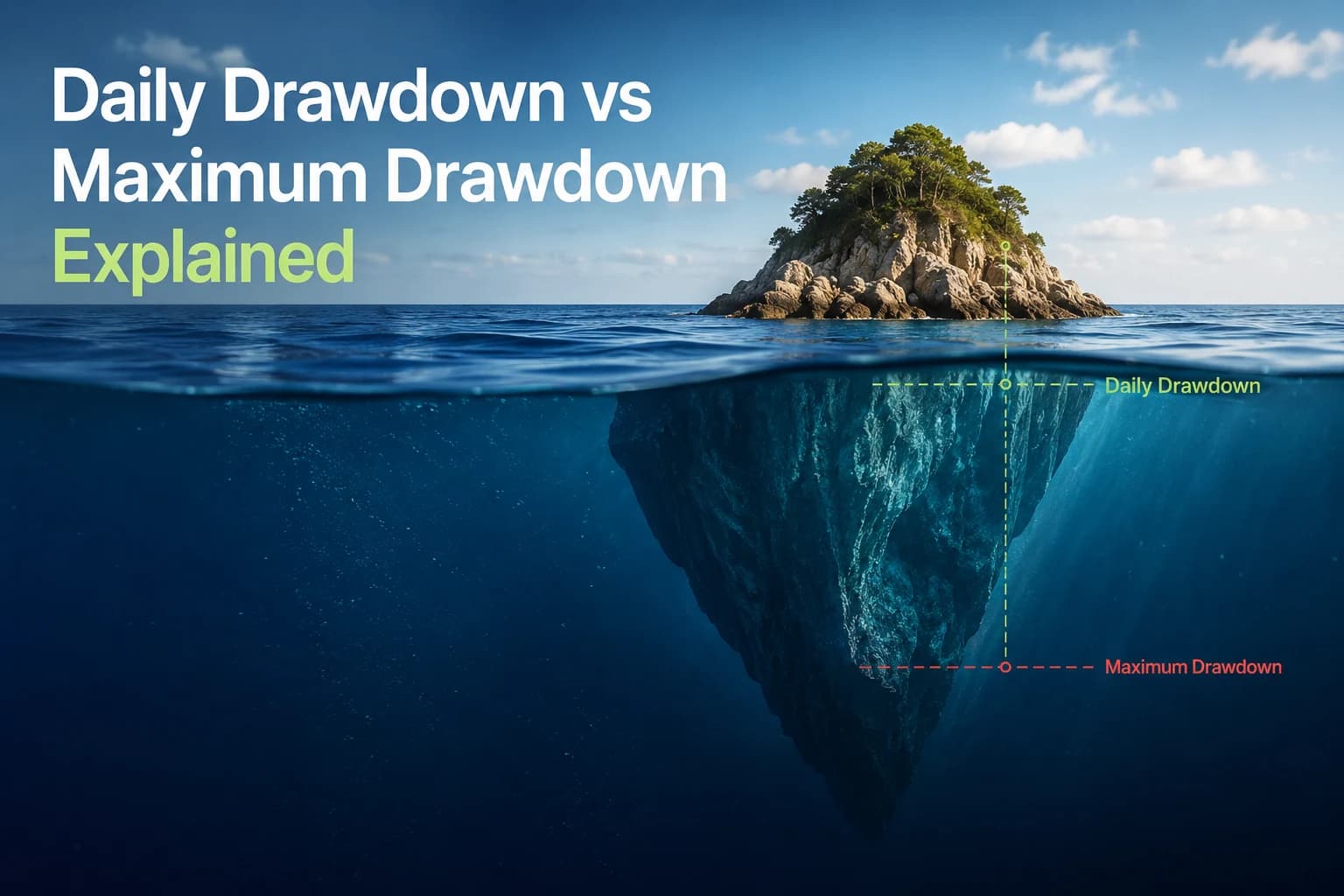
Daily Drawdown vs Maximum Drawdown: Key Differences Explained
Daily drawdown limits how much you can lose in a single day, while maximum drawdown controls your total loss over the life of your account. These rules are designed to enforce discipline, prevent emotional trading, and protect your capital from both short-term and long-term losses. Successful traders focus on strict risk management and consistency, using drawdown limits as a key tool for long-term survival in prop trading.
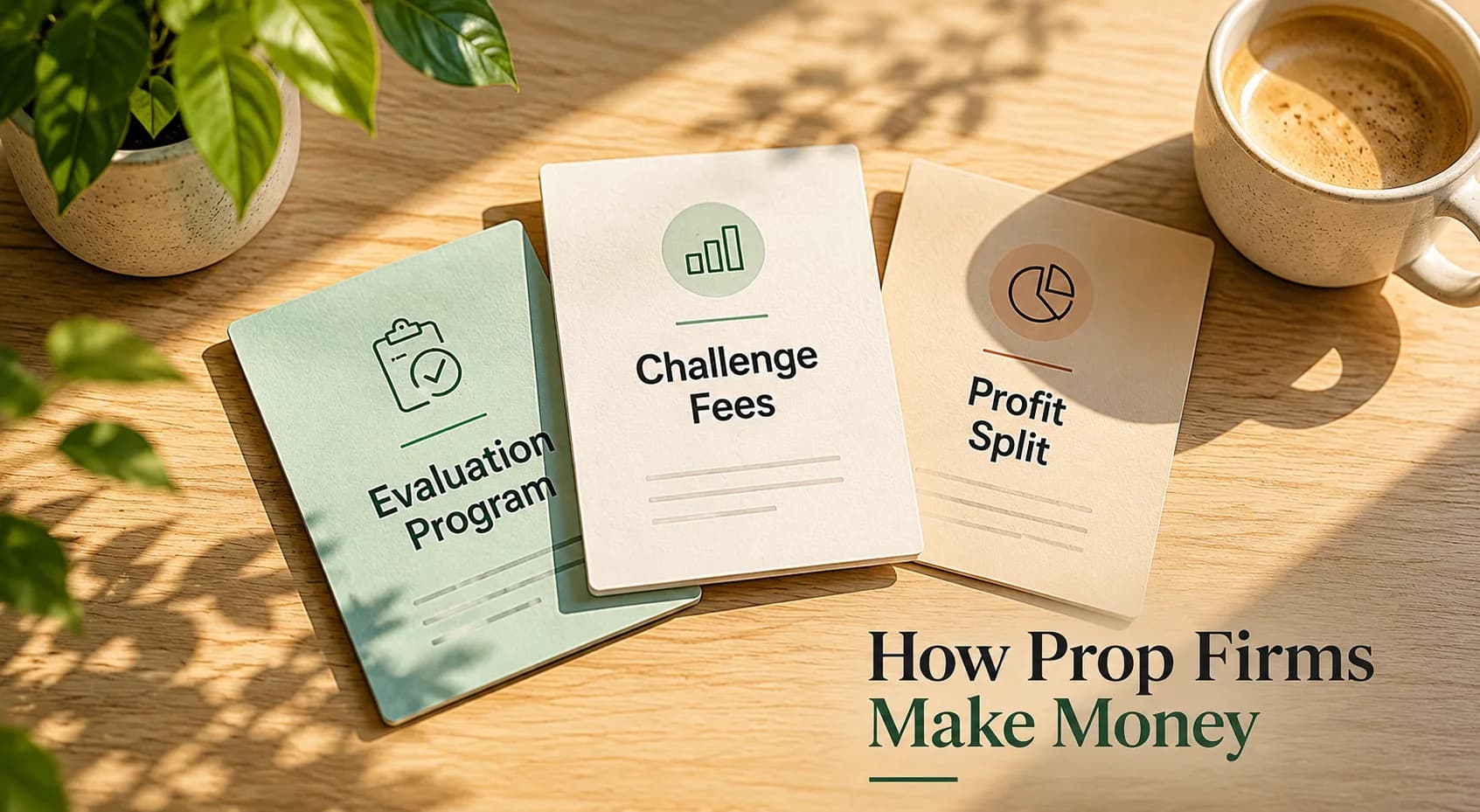
How Prop Trading Firms Make Money (Business Model Explained)
Prop firms make money mainly through evaluation fees, profit sharing, and trading-related costs like spreads and commissions. Most revenue comes from traders paying to join challenges, while only a small percentage pass and receive payouts. Understanding this model helps traders see why rules are strict and why discipline and risk management are essential for success.
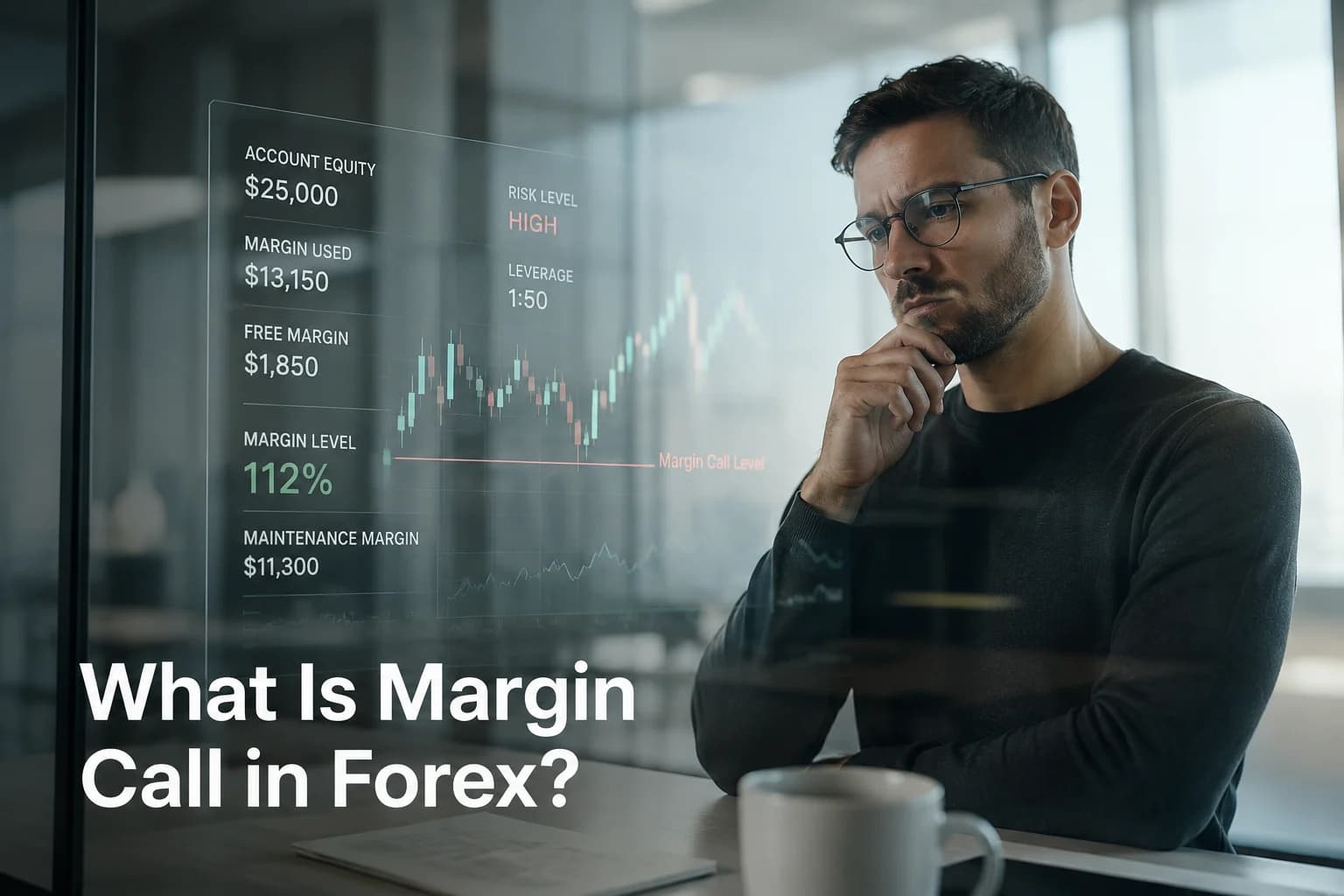
What Is a Margin Call? Explained with Examples
A margin call happens when your account equity falls below required levels, forcing you to add funds or face automatic liquidation. Understanding margin, leverage, and key metrics like margin level is essential to avoid unexpected losses in forex trading. With proper risk management, lower leverage, and disciplined trading, margin calls can be minimized and turned into a protective safety mechanism.
How Forex Broker Withdrawals Work
Withdraw your trading profits with confidence by understanding how forex withdrawals really work—no surprises, no confusion. From KYC verification to payment methods and processing times, knowing the system helps you avoid delays and hidden fees. Trade like a professional by turning withdrawals into a smooth, predictable part of your strategy.