

Articles
Explore in-depth articles, guides, and educational content to enhance your trading knowledge.
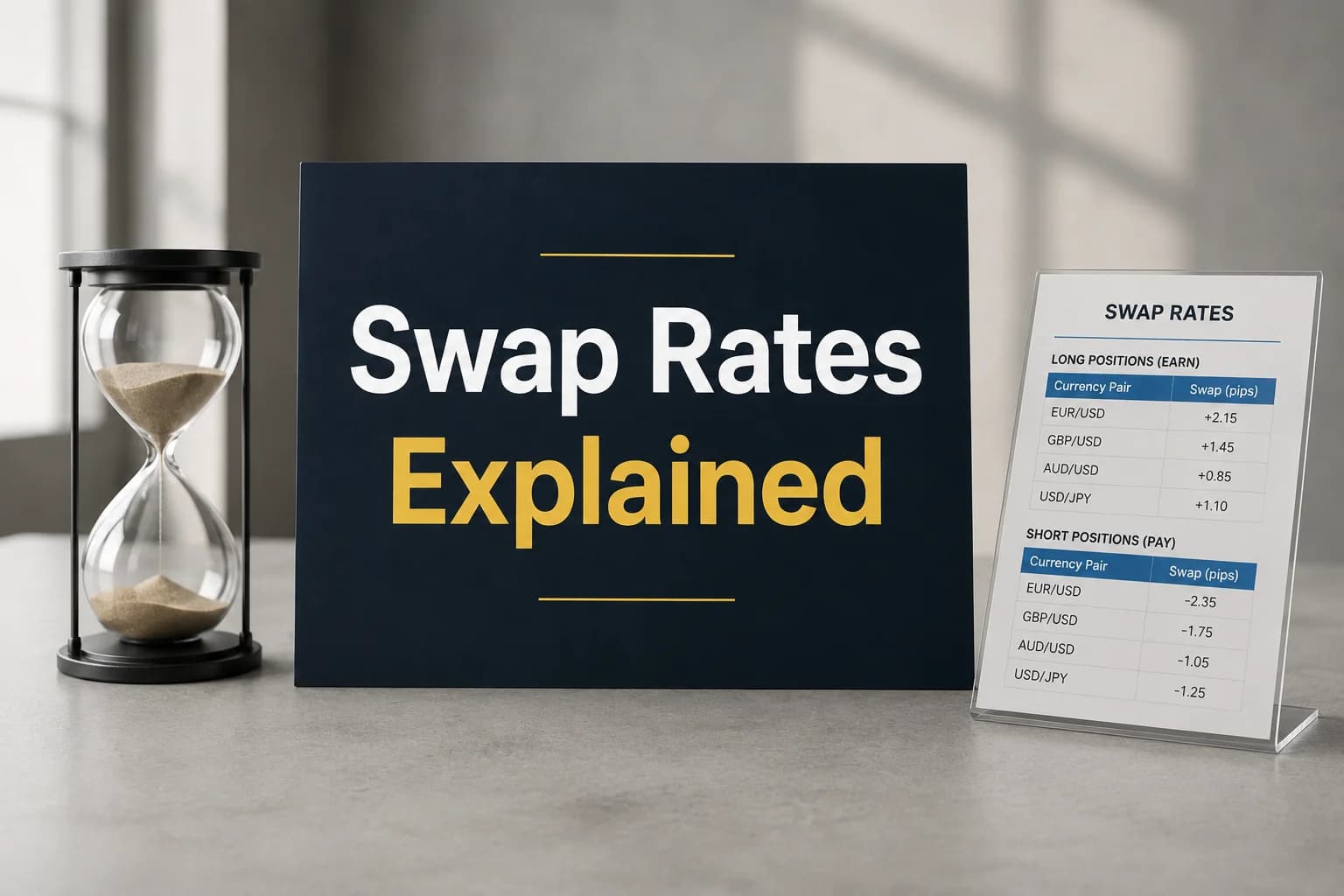
Swap Rates Explained in Forex Trading
Swap rates are overnight fees or payments based on interest rate differences between two currencies when holding positions open. They can increase or reduce profitability, especially for swing and long-term traders, and depend on trade direction and market conditions. Understanding and managing swap costs helps traders avoid unexpected fees and optimize their trading strategies.
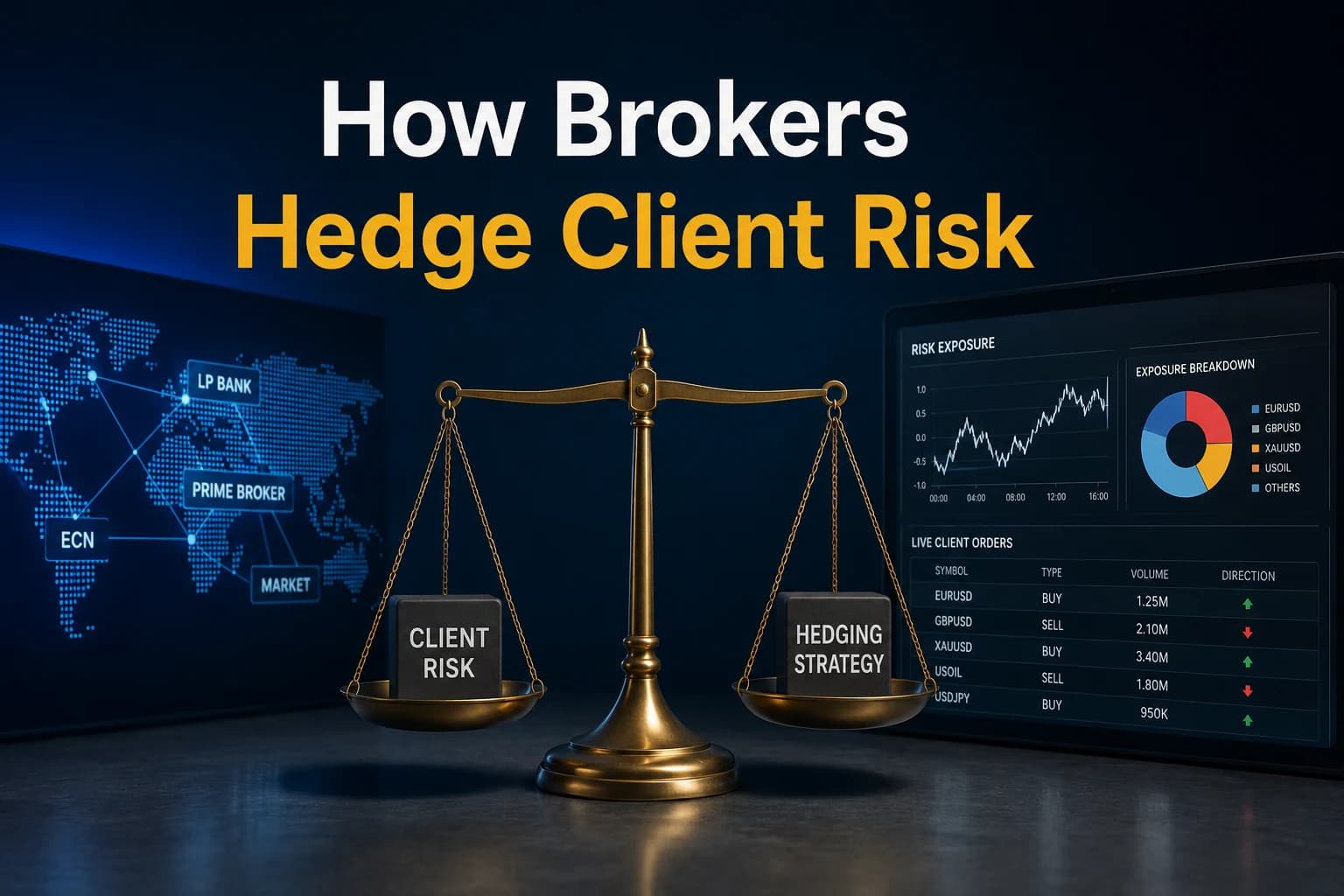
How Forex Brokers Hedge Client Risk
Forex brokers manage client risk by using hedging strategies and models like A-Book, B-Book, and hybrid systems to balance exposure. They monitor client positions in real time and hedge large imbalances through liquidity providers to avoid market risk. This risk management ensures stable operations, reliable execution, and a secure trading environment for traders.

Can You Use EAs in Prop Firms?
Expert Advisors (EAs) automate trading and are widely used in prop firms, but their use depends on each firm’s rules and restrictions. While EAs offer advantages like speed, discipline, and 24/7 trading, some strategies (e.g., HFT or latency arbitrage) are often restricted due to risk. Successful use of EAs requires proper testing, strong risk management, and full compliance with prop firm policies.
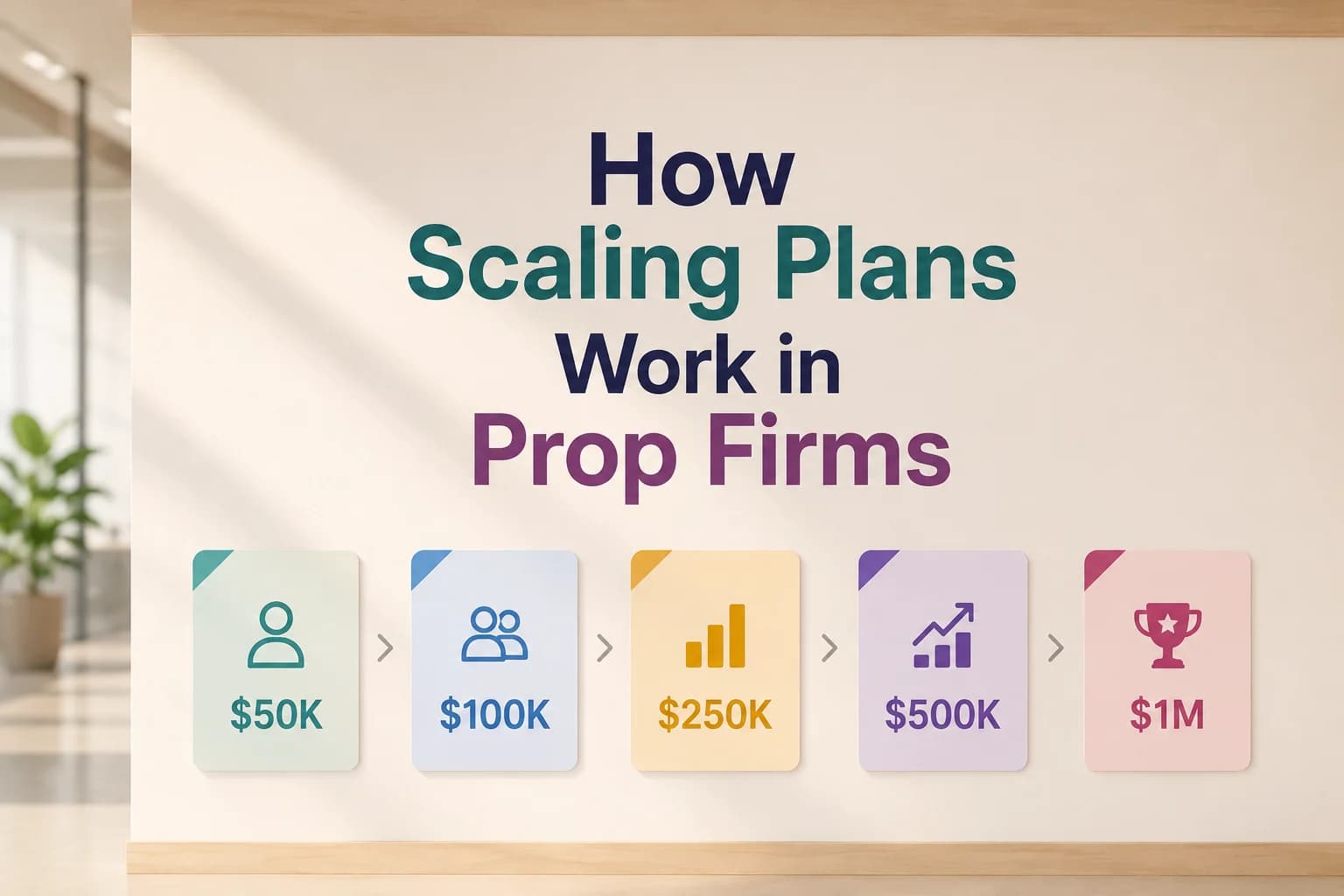
How Scaling Plans Work in Prop Trading Firms
Scaling plans let traders increase their funded capital by showing consistent performance and good risk management. They offer higher earning potential but require discipline and strict rule-following.
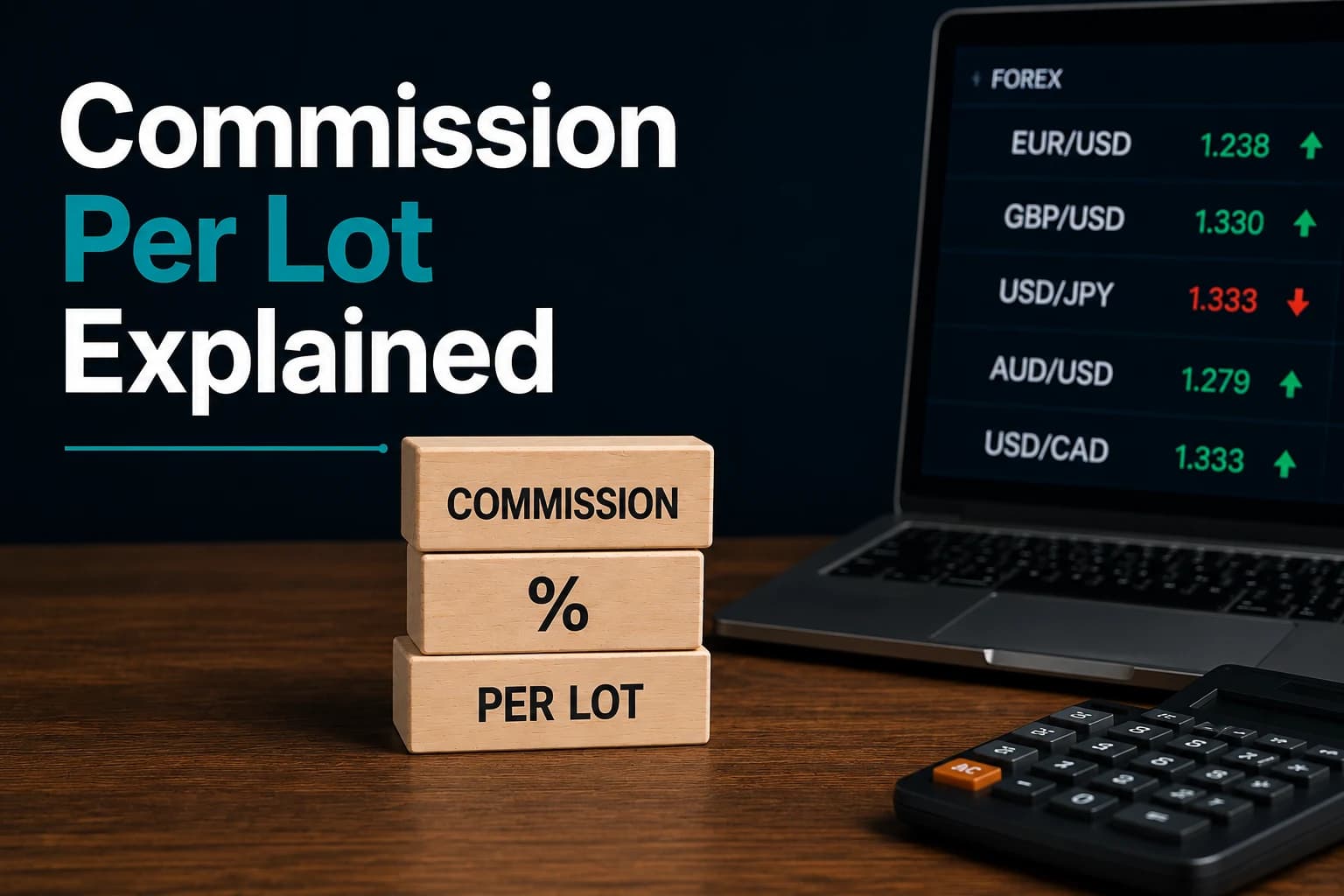
Commission Per Lot Explained in Forex Trading
Commission per lot is the fee a broker charges based on trade size, usually in low-spread ECN accounts. It affects your total trading cost, especially if you trade frequently.
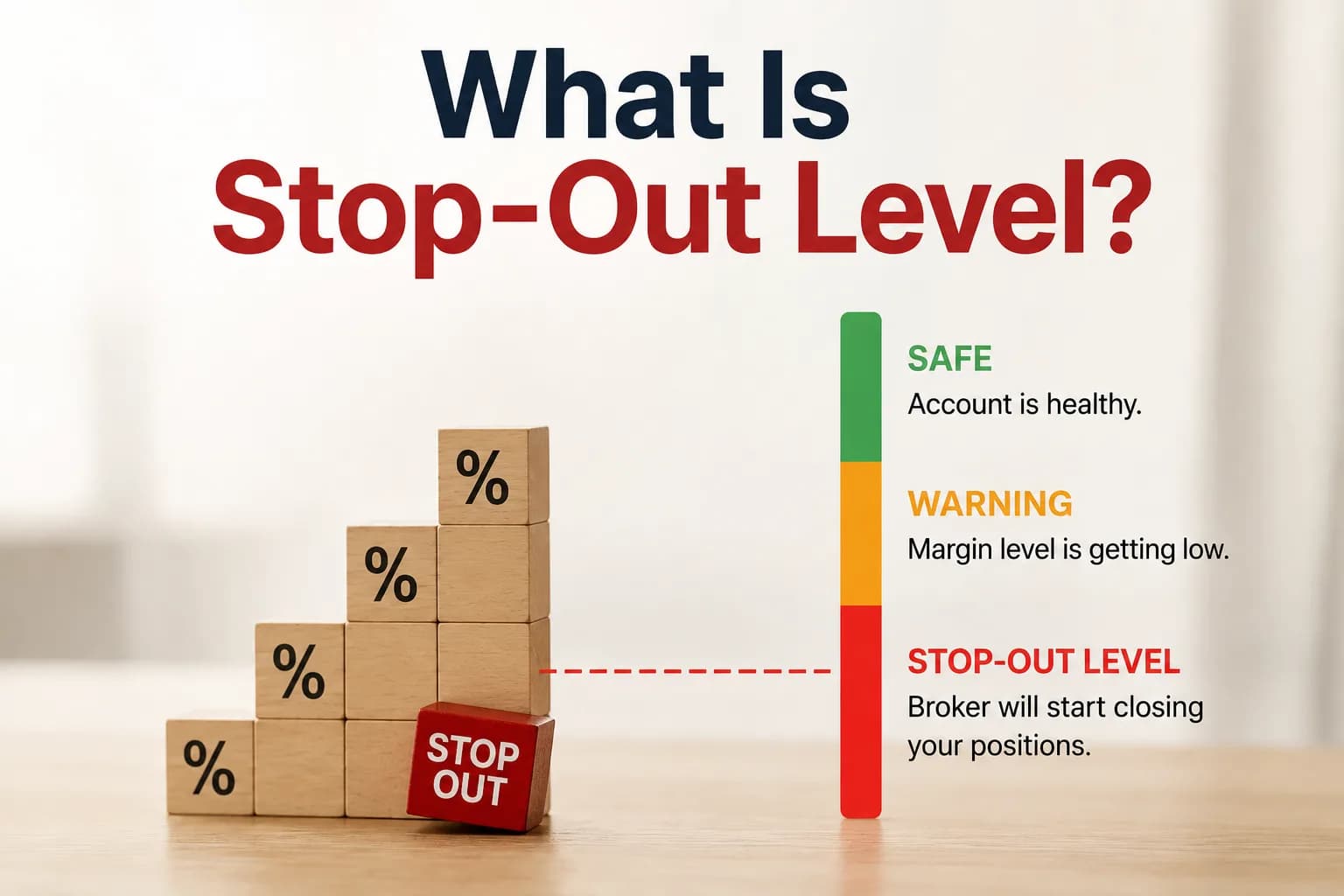
What Is Stop-Out Level in Forex?
The stop-out level is a risk control mechanism where brokers automatically close trades when a trader’s margin level falls too low, preventing the account from going negative. It is closely linked to margin, equity, and leverage, and typically occurs after a margin call if losses continue. Traders can avoid stop-out by managing risk properly through position sizing, controlled leverage, and using stop-loss orders.
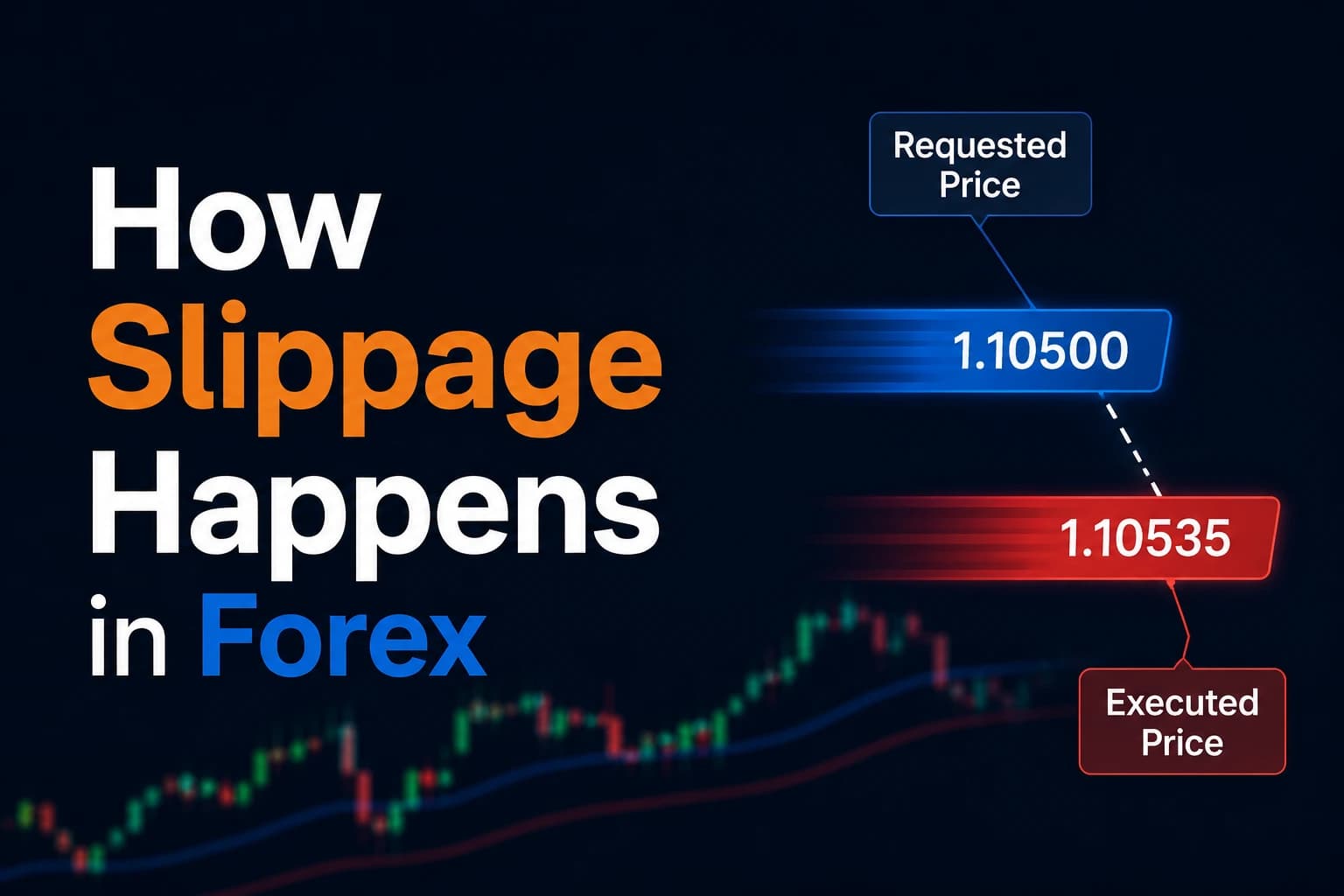
How Slippage Happens in Forex Trading
Slippage in forex is the difference between the expected trade price and the executed price, caused by fast market movements, volatility, and liquidity conditions. It can be negative or positive and is a natural part of trading, especially during news events or low-liquidity periods. While it cannot be eliminated, traders can reduce its impact by using limit orders, trading in high-liquidity sessions, and choosing reliable brokers.
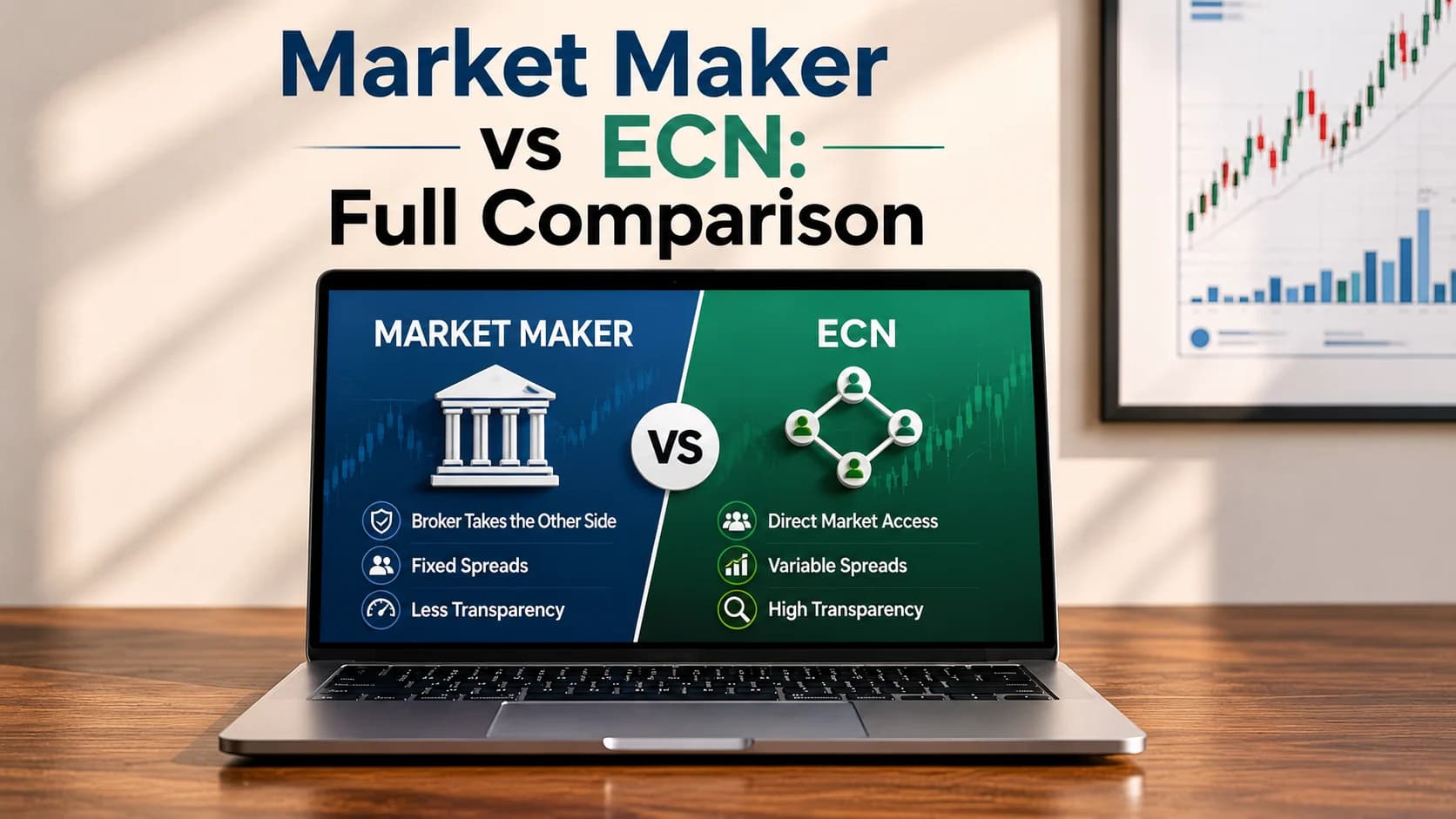
Market Maker vs ECN Brokers: Full Comparison Guide
Market maker and ECN brokers differ mainly in how they execute trades and source liquidity, affecting spreads, costs, and transparency. Market makers offer stable spreads and simple pricing, while ECN brokers provide tighter spreads, faster execution, and direct market access with commissions. The best choice depends on trading style—beginners often prefer market makers, while scalpers and advanced traders benefit from ECN models.

Best Brokers for Crypto CFD Trading
Crypto CFD trading allows traders to speculate on cryptocurrency price movements without owning the assets, offering flexibility and the ability to profit in both rising and falling markets. Success depends heavily on choosing the right broker, as spreads, execution speed, liquidity, and platform reliability directly impact trading performance. Due to high volatility and leverage, traders must apply strong risk management and carefully evaluate costs to trade effectively.

Best One-Step Prop Firm Challenges
One-step prop firm challenges allow traders to access funded accounts faster by completing only a single evaluation phase instead of multiple stages. While they simplify the process and reduce time to funding, traders must still meet strict profit targets and risk rules, requiring discipline and consistency. Choosing the right firm involves evaluating factors like drawdown limits, rules, payout structure, and platform reliability to ensure long-term success.

Best Prop Trading Firms with High Profit Split
Prop firms allow traders to trade with funded accounts and earn a share of profits, with higher profit splits increasing earning potential. However, choosing the best firm requires evaluating factors like challenge rules, drawdown limits, payout frequency, and platform reliability—not just profit split. Successful traders focus on transparent, well-regulated firms with fair conditions to build long-term profitability.
Best Forex Brokers for Scalping Strategies
Scalping is a fast-paced trading strategy focused on capturing small price movements within seconds or minutes, requiring precision and consistency. Success in scalping heavily depends on the broker, as factors like execution speed, spreads, liquidity, and platform reliability directly impact results. Traders should choose brokers with low costs, fast execution, and strong infrastructure while applying strict risk management to stay profitable.